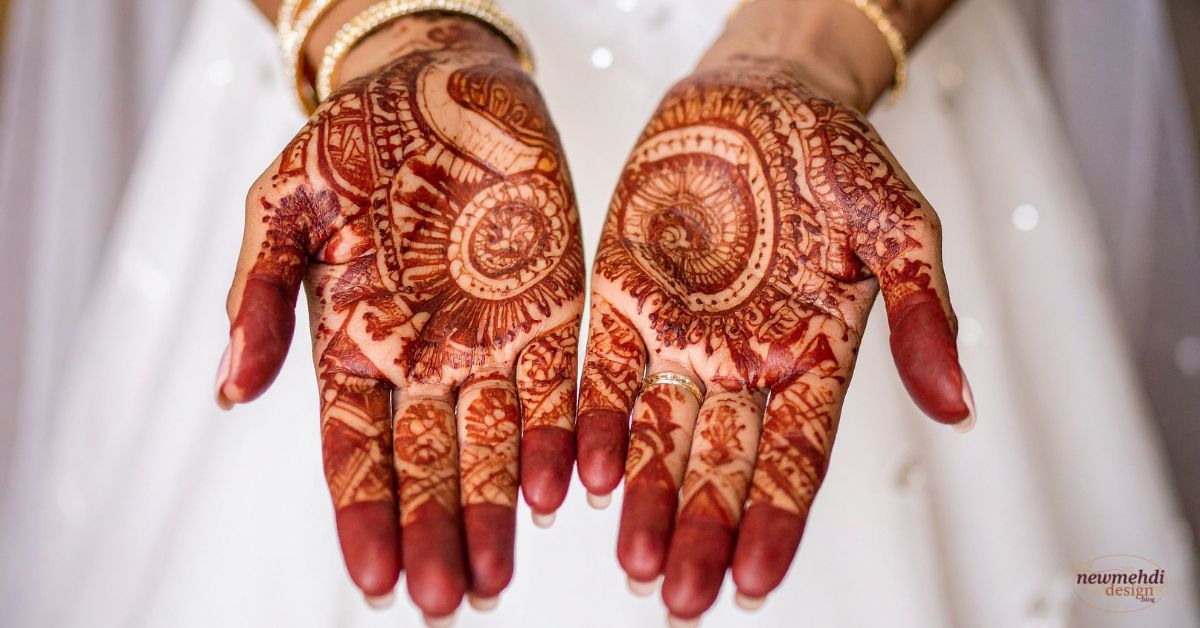
Mehndi designs are a beautiful form of traditional body art that is loved by people of all ages, especially during festivals, weddings, and special celebrations. These designs are created using natural henna and range from simple patterns to detailed artistic styles. For children and beginners, easy and minimal designs are the most popular because they look cute and are quick to apply.
Simple mehndi patterns, front hand mehndi, cute mehndi designs, easy henna art, and kids mehndi styles focus on soft lines and playful shapes that enhance hands without looking heavy. Today, modern mehndi designs combine traditional beauty with creative simplicity, making them perfect for everyday functions and joyful moments.
What is Mehndi? History and Cultural Significance
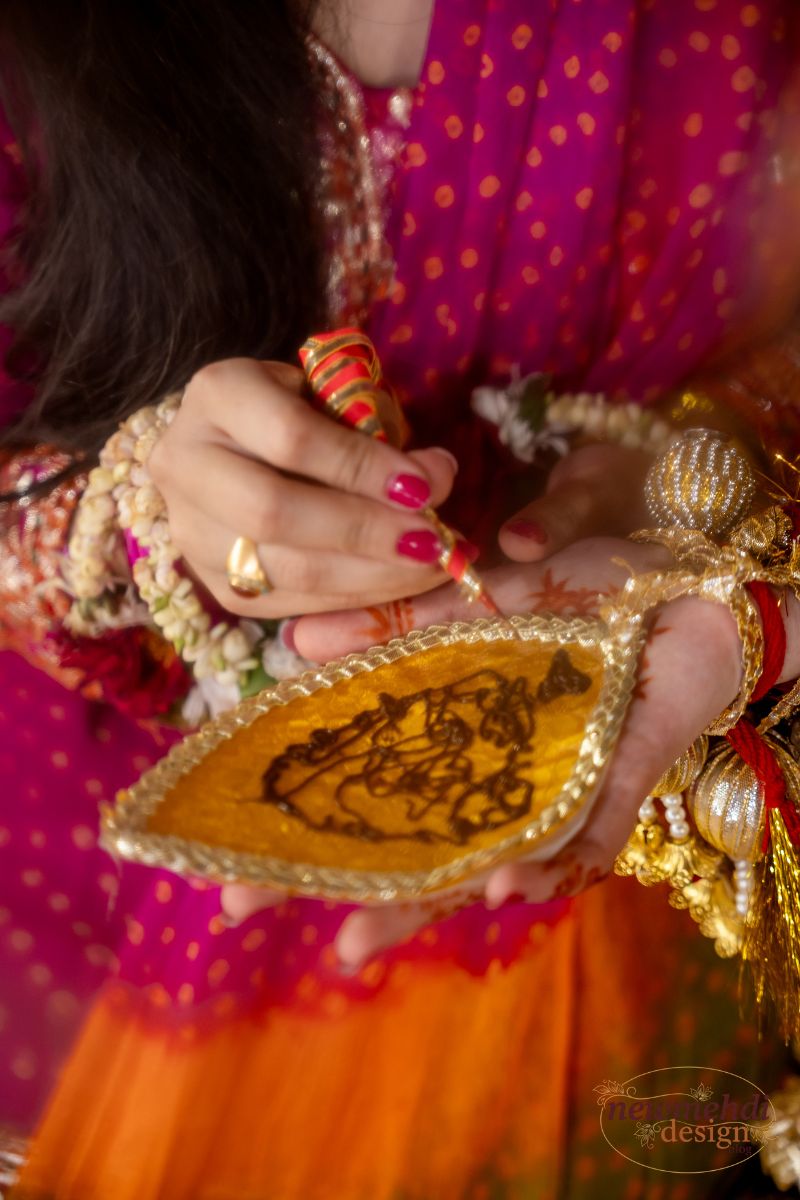
Mehndi designs represent an ancient art form that has captivated hearts for over 5,000 years. This natural body art tradition uses henna paste extracted from the Lawsonia inermis plant to create temporary decorative patterns on skin. The henna plant leaves are carefully dried under the sun before being ground into a fine powder. Artists then mix this powder with lemon juice, water, and a few drops of eucalyptus oil to form a smooth natural paste. This mixture gets loaded into a plastic cone for precise application, allowing artists to create mehndi designs with remarkable detail and finesse.
The cultural significance of mehndi designs extends across multiple civilizations and religious traditions. From Hindu traditions to Islamic customs, henna application marks auspicious occasions and sacred rituals throughout the Middle East, South Asia, and North Africa. Women adorn hands with mehndi during weddings, festivals, and celebrations as symbols of joy, prosperity, and spiritual awakening. The practice forms an essential part of Solah Shringar, the sixteen traditional adornments of Hindu brides. In Islamic culture, the Prophet Muhammad encouraged using henna, making it a blessed practice for Muslims worldwide.
The Sacred Symbolism Behind Mehndi
Mehndi designs carry profound spiritual significance that transcends mere decoration. Many cultures believe that dark mehndi stain indicates the depth of love between spouses or the strength of family bonds. The intricate patterns symbolize fertility, protection against evil spirits, and blessings for new beginnings. Traditional motifs incorporate holy symbols representing various aspects of life, nature, and divine connection. Brides wearing elaborate bridal mehndi embody the transition from one life phase to another, with each swirl and dot carrying wishes for a prosperous future.
Mehndi in American Culture Today
The United States has embraced mehndi designs as multicultural weddings become increasingly common. American brides now regularly book mehndi artists for their wedding celebrations, blending Eastern traditions with Western aesthetics. Contemporary henna designs appear at music festivals, beach parties, and cultural exhibitions across the country. This contemporary adaptation respects traditional roots while allowing creative freedom and personal expression. Many non-South Asian Americans now appreciate this art form’s beauty, seeking mehndi artists in major cities for various celebrations and events.
Types of Mehndi Designs – A Complete Guide
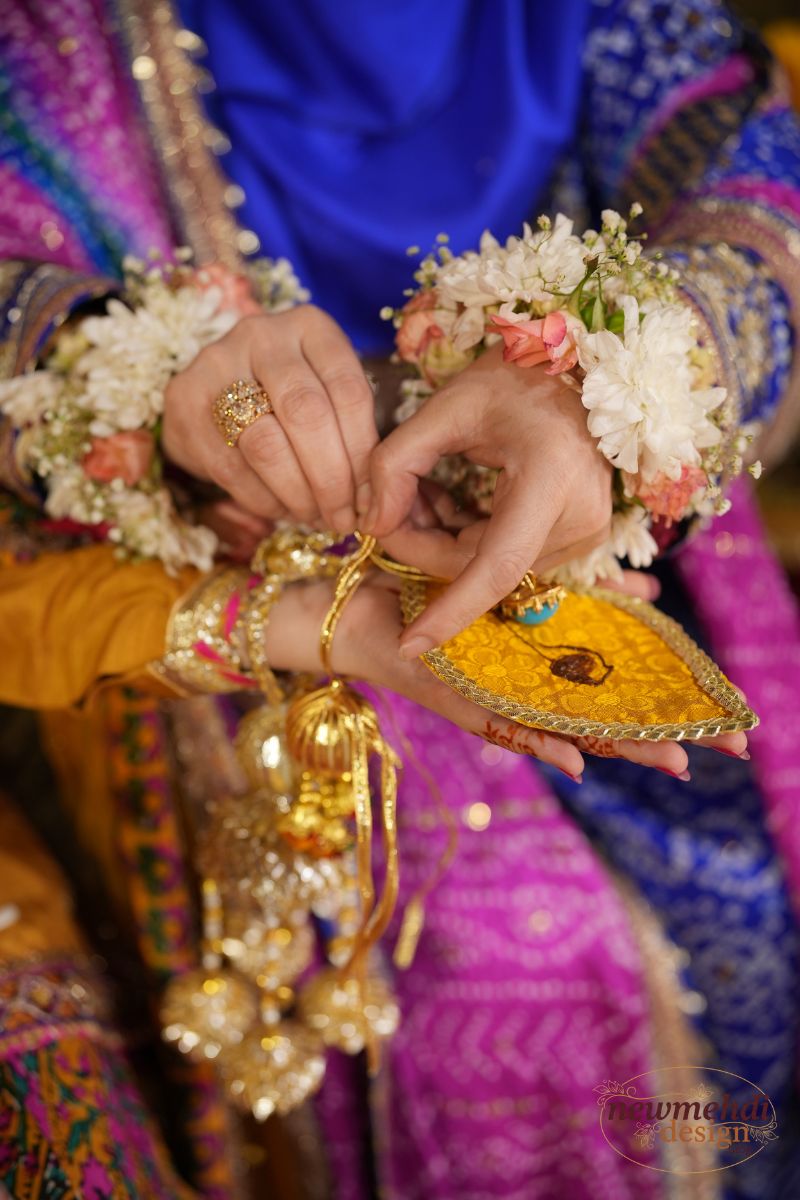
Understanding different mehndi design categories helps you select patterns matching your personal style and occasion. Five major regional styles dominate the henna world, each showcasing distinctive characteristics and cultural heritage. Indian mehndi, Arabic mehndi, Moroccan, Pakistani, and Indo-Arabic fusion styles offer diverse aesthetics ranging from intricate mehndi designs to minimalist mehndi patterns. The design categories reflect centuries of artistic evolution, with each region contributing unique elements to this living art form. Learning about various regional styles enables you to make informed choices when planning your henna application.
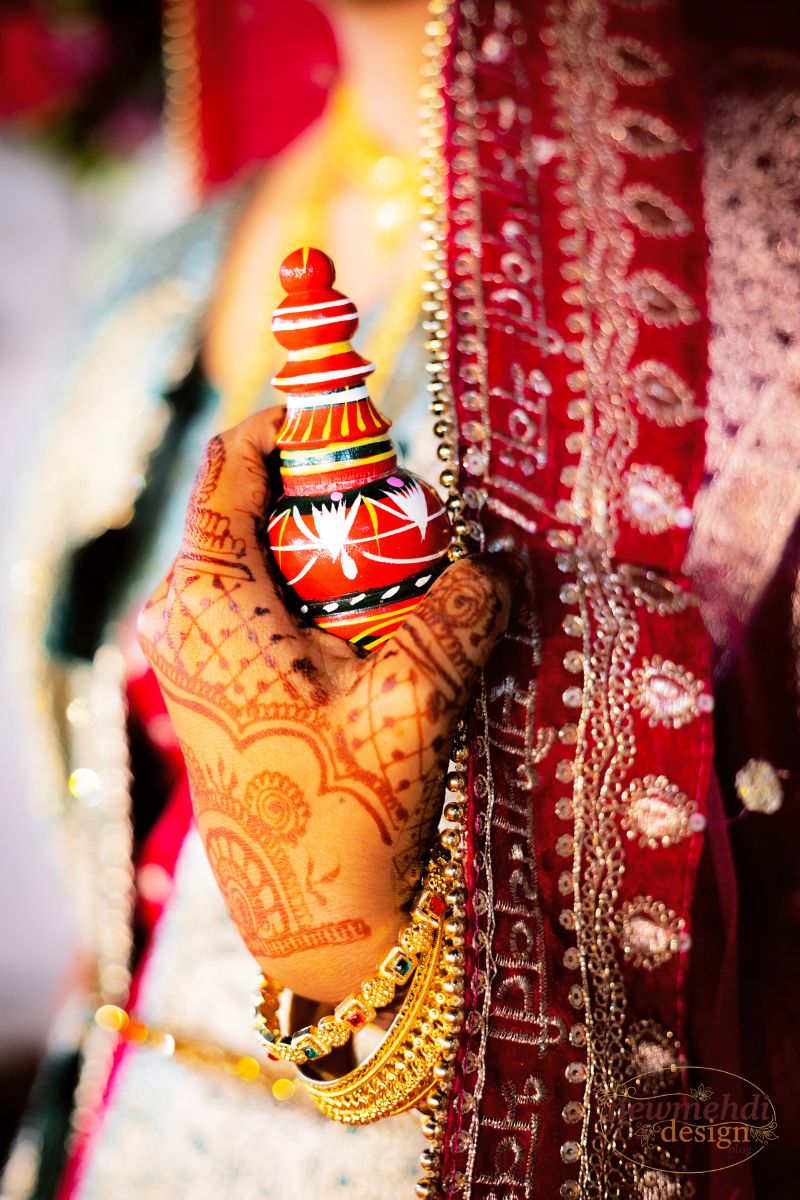
Different mehndi traditions suit various preferences, skin tones, and occasions perfectly. Traditional mehndi designs featuring dense coverage work wonderfully for wedding ceremonies and formal celebrations. Meanwhile, contemporary mehndi designs with generous negative space appeal to modern brides seeking understated elegance. Your style selection should consider factors like application time, design complexity, and cultural significance. Some brides prefer traditional vs modern fusion approaches, combining classic motifs with innovative arrangements. The beauty of pattern types lies in their adaptability—you can customize any style to reflect your personality and celebration theme.
Indian Mehndi Designs
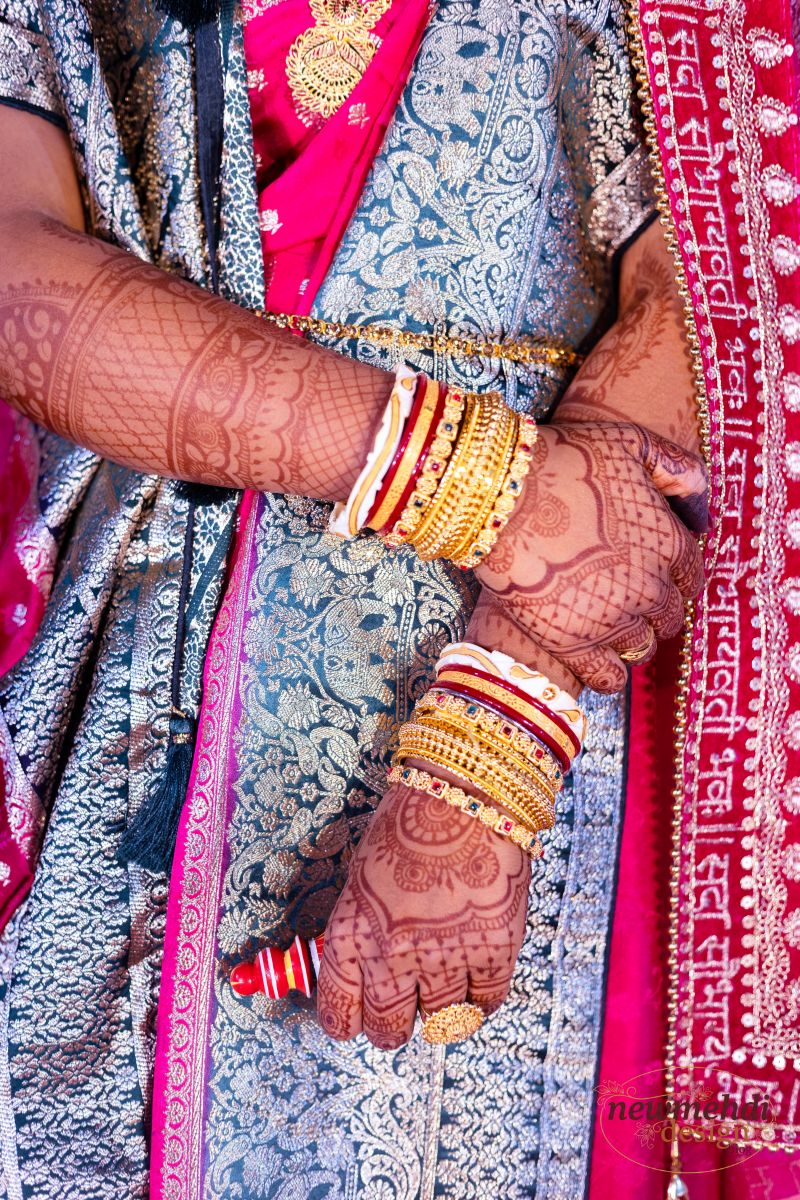
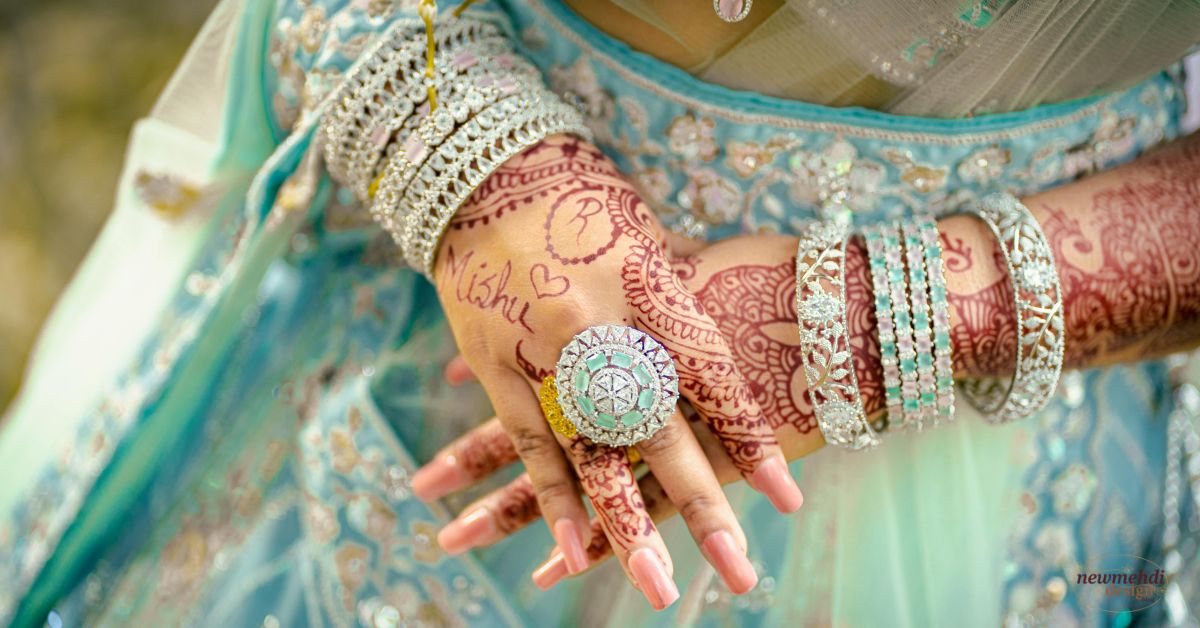
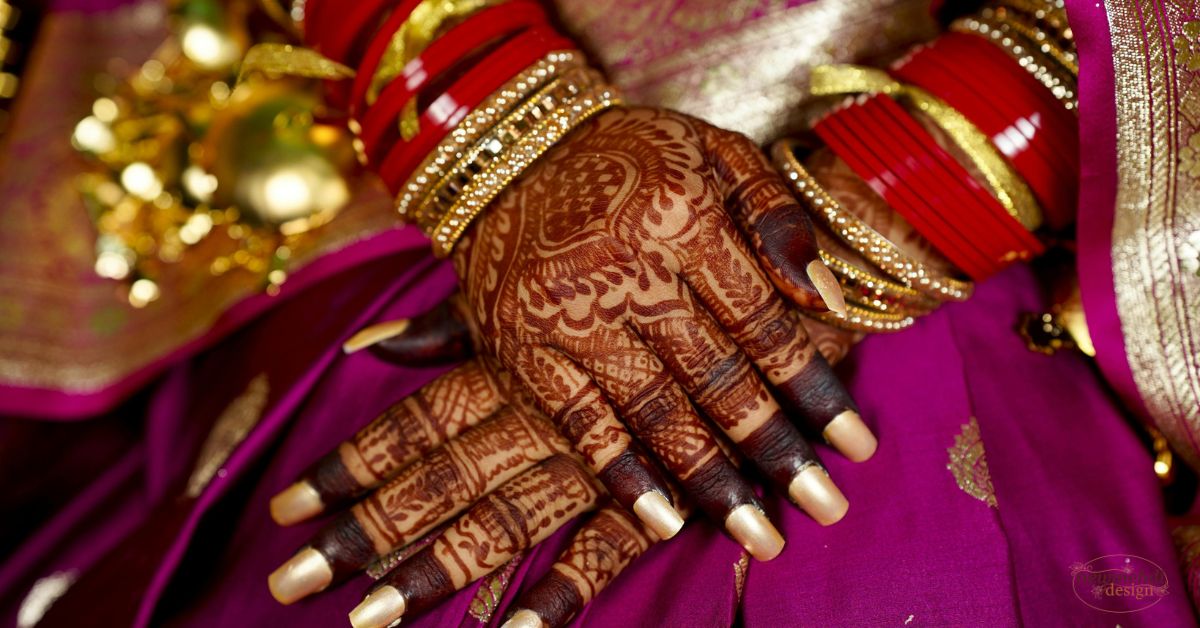
Traditional Indian patterns showcase incredibly detailed work covering hands and feet entirely. These designs feature intricate mehndi designs incorporating paisley patterns, peacock motifs, mandala artwork, and elaborate floral mehndi designs. Indian artists traditionally leave minimal empty space, creating a tapestry effect with interconnected elements flowing seamlessly. The full coverage mehndi extends from fingertips to elbows and from toes to knees for brides. This style demands patience and skill, often requiring 6-8 hours for complete bridal application. Popular elements include bride and groom figures, temple structures, elephants, and hidden initials representing the couple’s love story.
Arabic Mehndi Designs
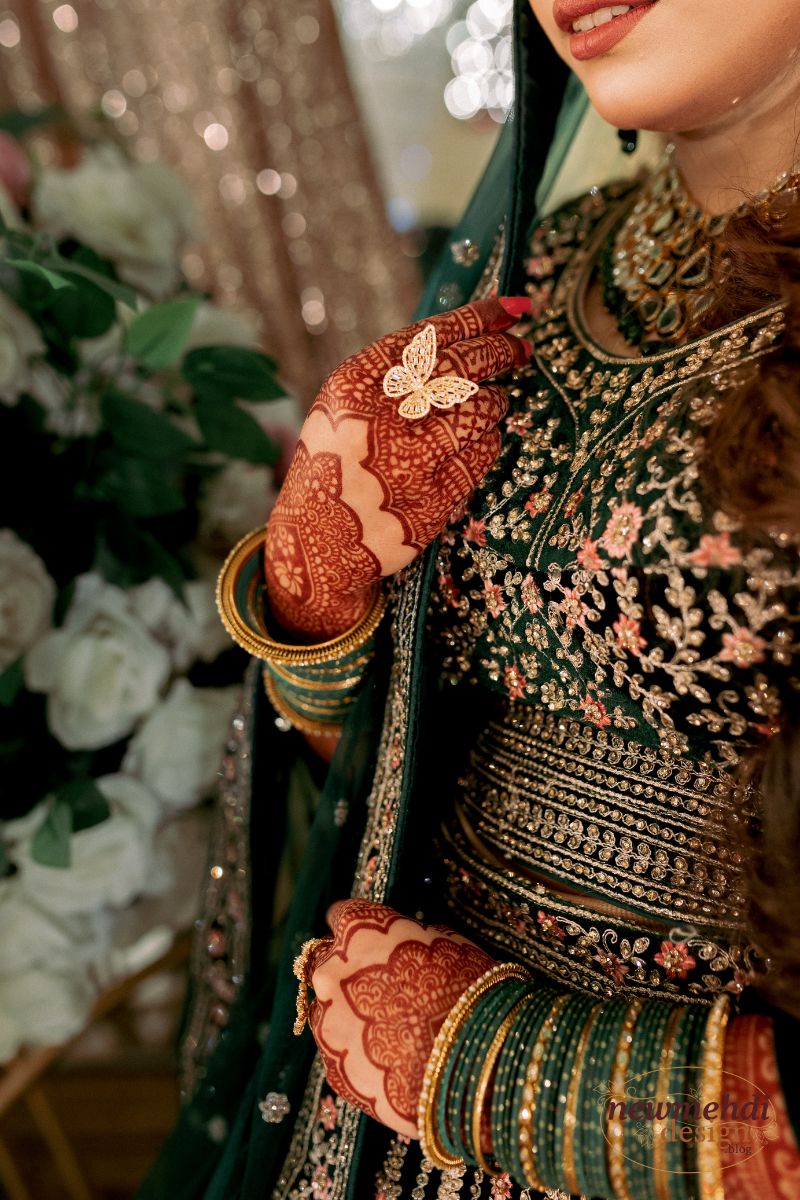
Arabic henna art distinguishes itself through bold, flowing patterns with generous spacious designs between elements. These contemporary Arabic designs emphasize large floral mehndi designs, vine designs, and geometric mehndi designs that follow the hand’s natural contours. Unlike dense Indian coverage, Arabic style celebrates breathing room, making designs appear lighter and more modern. The bold strokes create striking visual impact without overwhelming the canvas. This approach suits those seeking easy mehndi patterns that look impressive yet require less application time. Arabic vs Indian style debates continue, but many appreciate Arabic designs’ versatility for both casual and formal occasions.
Moroccan Mehndi Designs
Moroccan henna traditions favor geometric motifs with striking symmetry and angular precision. These designs feature bold outlines creating dramatic contrast against skin. The style incorporates checkered patterns, diamonds, triangles, and straight lines forming complex geometric compositions. Moroccan artists often mirror designs perfectly between both hands, demonstrating exceptional technical skill. This precision-focused approach differs markedly from the organic curves dominating Indian and Arabic styles. The angular nature creates a modern, architectural aesthetic appealing to those drawn to structured beauty and mathematical harmony in art.
Pakistani Mehndi Designs
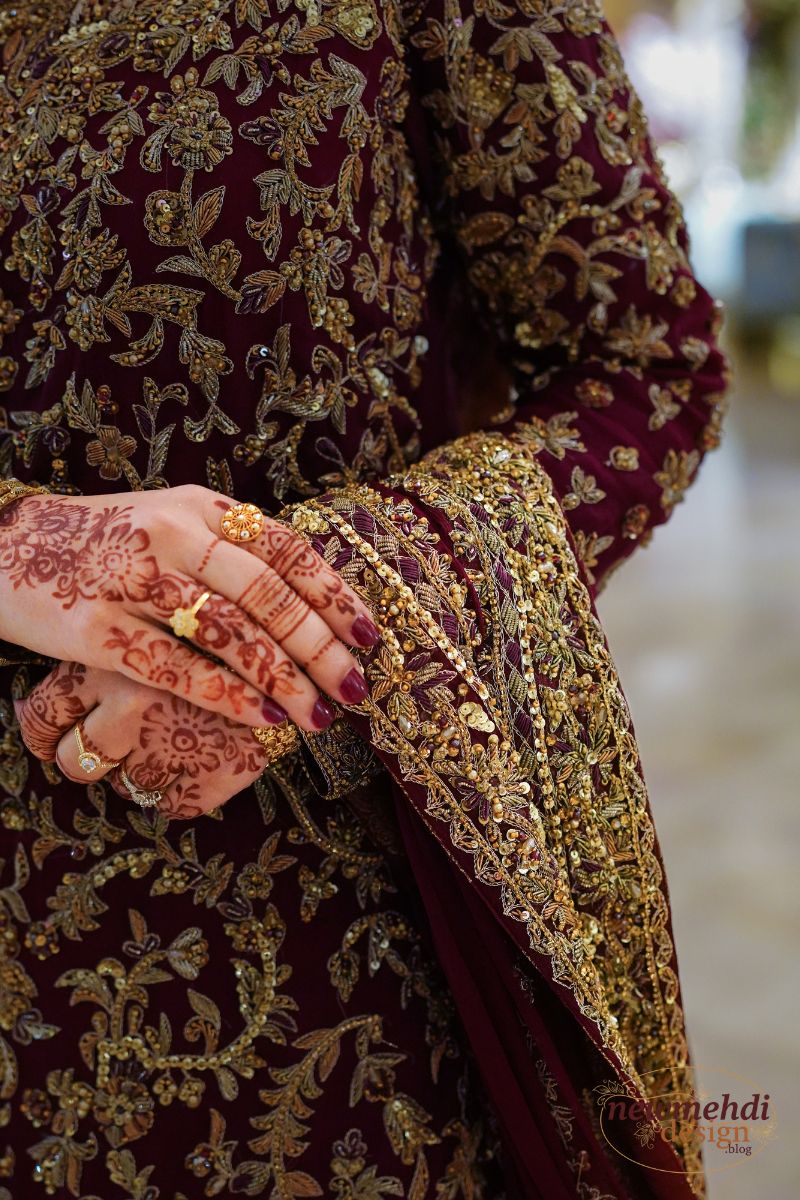
Pakistani henna blends Indian density with Arabic flowing elements, creating a unique fusion aesthetic. These designs feature detailed patterns with slightly more spacing than pure Indian style but less than Arabic approaches. Pakistani artists excel at intricate mehndi designs incorporating both traditional motifs and modern innovations. The style often showcases beautiful mandala mehndi designs as central focal points surrounded by intricate filling work. Bridal mehndi in Pakistani tradition represents elaborate artistry with every inch thoughtfully designed. This balanced approach offers the best of both worlds for brides wanting comprehensive coverage without appearing overwhelmingly dense.
Indo-Arabic Fusion Designs
Fusion mehndi represents the ultimate contemporary patterns for modern celebrations. These contemporary styles combine Indian intricacy with Arabic boldness, creating unique hybrid designs. Artists might place a large Arabic-style floral element as the centerpiece, then surround it with intricate Indian detailing. This approach allows maximum creativity and personalized mehndi expressions. Minimalist brides appreciate fusion’s flexibility—you can adjust coverage levels while maintaining visual interest. The fusion movement has revolutionized mehndi design ideas, proving that respecting tradition doesn’t mean avoiding innovation.
Simple Mehndi Designs for Beginners (Step-by-Step)
Simple mehndi designs for beginners provide the perfect starting point for learning this ancient art. Newcomers often feel intimidated by complex patterns, but starting with easy mehndi patterns builds confidence and skill progressively. Beginner-friendly designs focus on basic elements like circles, dots, lines, and simple leaves that form building blocks for advanced patterns. Mastering these fundamentals allows you to practice mehndi effectively without frustration. The journey from novice to skilled artist requires patience, consistent practice, and willingness to learn from mistakes along the way.
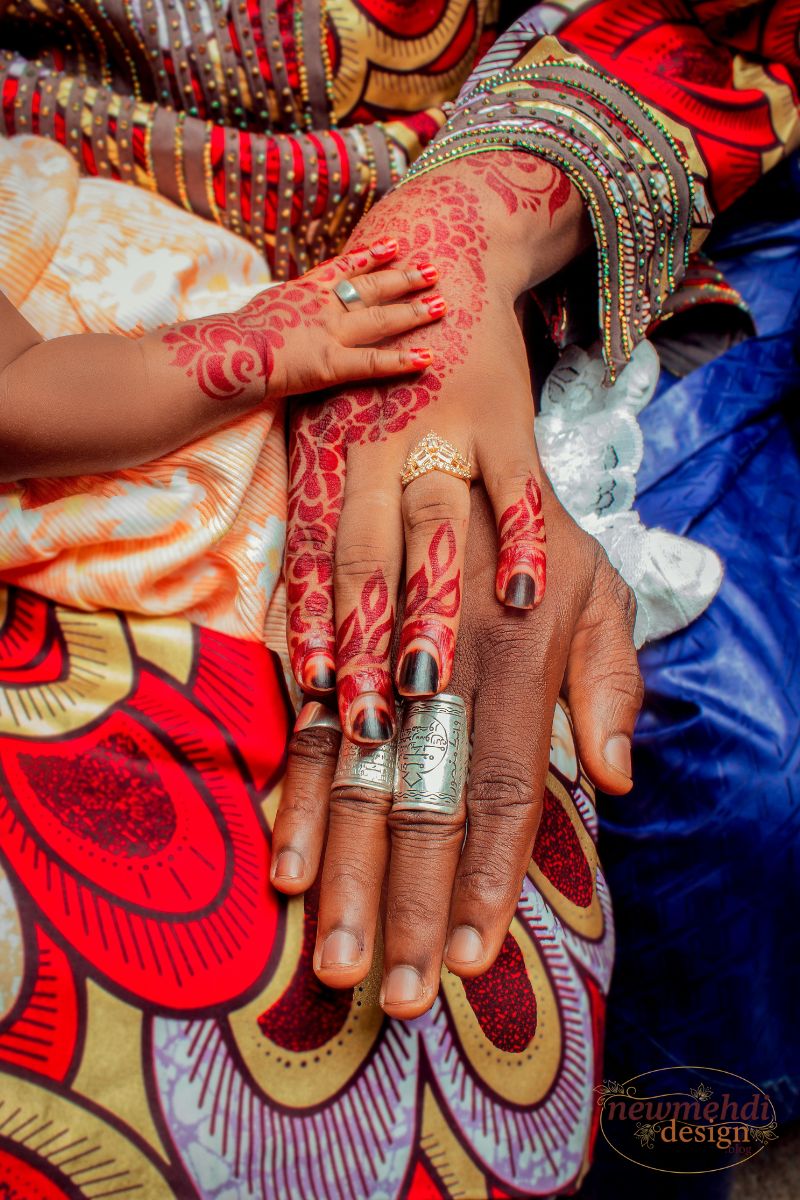
Before attempting your first design, gather essential mehndi application tools including fresh henna powder, mixing bowls, and ready-made or homemade plastic cones. Quality practice materials like paper sheets or practice boards let you refine technique before applying to skin. Understanding proper mehendi paste preparation ensures optimal results—consistency should resemble toothpaste for smooth application. Many beginners find starter techniques like tracing pre-drawn patterns helpful initially. Remember that even professional mehndi artists once struggled with basic shapes before developing expertise through dedicated skill development and countless hours of practice.
Basic Floral Pattern Tutorial
Start your mehndi design ideas journey with simple floral motifs. Draw a small circle for the flower center, then add 5-7 teardrop-shaped petals around it. Connect petals to the center circle, ensuring even spacing between each petal. Add tiny dots around the flower for embellishment and depth. Practice drawing multiple flowers in different sizes to develop consistency. Once comfortable with individual flowers, create mehndi designs by connecting multiple blooms with simple curved lines representing stems. This basic pattern forms the foundation for countless elaborate designs you’ll encounter later.
Simple Mandala Circle Design
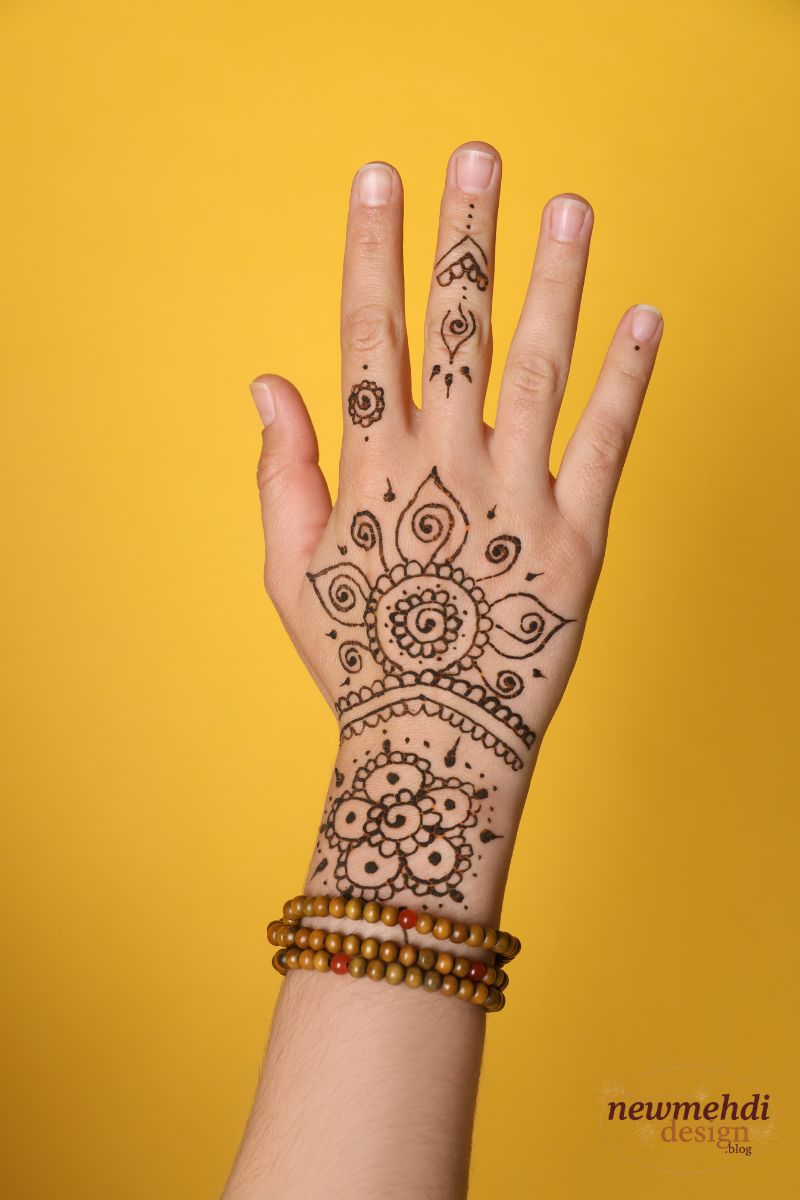
Mandala tutorial begins with drawing a small circle at your palm’s center. Around this first circle, draw a slightly larger second circle, maintaining consistent spacing. Continue adding concentric circles outward, increasing diameter gradually. Inside each circular band, add simple decorative elements like dots, short lines, or tiny teardrop shapes. The key to beautiful circular designs lies in maintaining symmetry as you add embellishments. Start simple with just dots, then progress to more complex filling patterns as confidence grows. This exercise develops steady hand control essential for all mehndi application techniques.
Vine and Leaf Patterns
Creating flowing vine patterns requires understanding natural movement and organic curves. Start at your wrist with a gently curving line flowing toward your fingertip. Along this vine design, add simple leaf patterns at regular intervals alternating sides. Each leaf should point outward from the vine, creating a natural botanical appearance. Vary leaf sizes to add visual interest—larger leaves near the wrist, smaller ones toward fingertips. This design teaches natural-looking curves essential for advanced work. Practice making vines flow smoothly without awkward angles or hesitant strokes that disrupt visual harmony.
Practice Tips for Beginners
Dedicate 15-30 minutes daily to practice mehndi for fastest skill development. Use paper or practice boards initially to develop muscle memory without committing to skin. Study professional designs, analyzing how artists construct complex patterns from simple elements. Film yourself practicing to identify areas needing improvement. Join online communities where beginners share experiences and seasoned artists offer guidance. Remember that neatness and intricacy develop gradually—don’t compare your beginning to someone else’s middle. Every expert was once a beginner who refused to quit despite early frustrations and imperfect attempts.
Arabic Mehndi Designs – Modern & Traditional Patterns
Arabic mehndi designs captivate with their bold elegance and contemporary appeal. These Arabic henna patterns feature large, flowing motifs with generous empty space creating visual breathing room. The bold mehndi strokes characteristic of Arabic style make striking statements without overwhelming the canvas. Contemporary Arabic designs particularly suit American tastes, balancing cultural authenticity with modern aesthetics. Artists achieve depth through strategic shading rather than dense filling, making Arabic vs Indian style comparisons fascinating studies in contrasting philosophies. The style’s accessibility makes it popular among both beginners and experienced henna enthusiasts.
Modern henna art in Arabic tradition proves remarkably versatile patterns suitable for various occasions. While bridal mehndi might feature elaborate coverage, casual celebrations call for simpler interpretations. Wedding mehndi in Arabic style can be adjusted in complexity based on time constraints and personal preferences. The adaptability explains why modern brides increasingly choose Arabic over traditional styles. Whether you prefer minimal mehndi or heavy mehndi designs, Arabic aesthetics accommodate both extremes beautifully. This flexibility makes Arabic designs perfect for your first henna experience or your twentieth wedding anniversary celebration.
Floral Arabic Designs
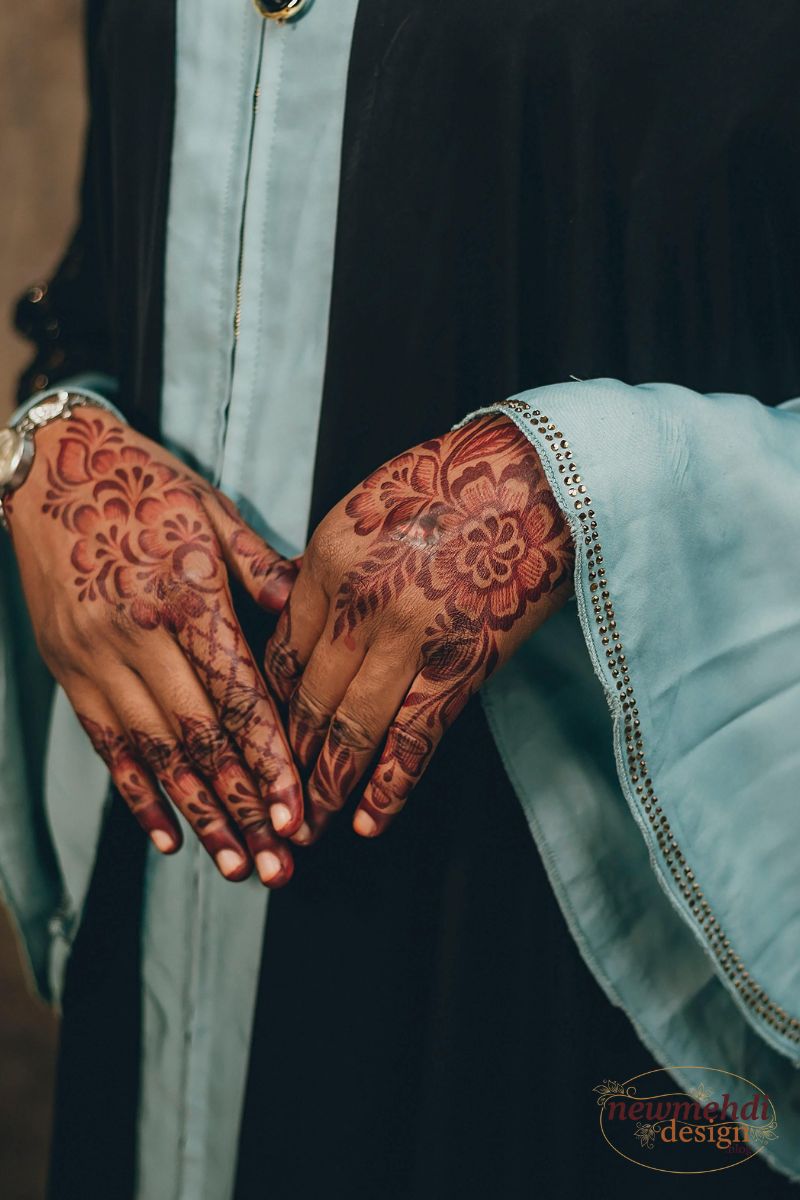
Arabic florals showcase oversized roses, lotuses, and abstract blooms as primary design elements. These shaded designs use varying pressure to create lighter and darker tones, adding dimensional quality. Large rose motif placements typically anchor the composition, with smaller supporting elements radiating outward. Lotus mehndi design variations in Arabic style emphasize bold petal outlines with minimal internal detailing. The negative space around each flower becomes as important as the flower itself, creating a balanced, uncluttered appearance that looks fresh and modern.
Geometric Arabic Patterns
Geometric henna brings architectural precision to organic art forms. These architectural patterns incorporate sharp angles, clean lines, and mathematical precision creating contemporary aesthetics. Triangles, diamonds, hexagons, and other polygons replace traditional curves in these innovative designs. Geometric mehndi designs appeal particularly to those drawn to modern minimalism and structural beauty. The style works exceptionally well for finger mehndi designs where small spaces benefit from bold, simple shapes. These patterns demonstrate that henna art continuously evolves beyond its traditional boundaries.
Arabic Bridal Collections
Bridal Arabic mehndi combines multiple design elements into cohesive, stunning compositions. Wedding henna in Arabic tradition might feature large central florals on palms, geometric wrist bands, and delicate finger trails creating unified aesthetics. Bridal henna artists carefully balance coverage with negative space, ensuring designs enhance rather than hide hand beauty. The style particularly flatters bridal mehndi designs for full hands seeking impact without overwhelming density. Coordinating designs across both hands while maintaining individual character requires expert planning and execution.
Bridal Mehndi Designs – Full Hand Coverage Ideas
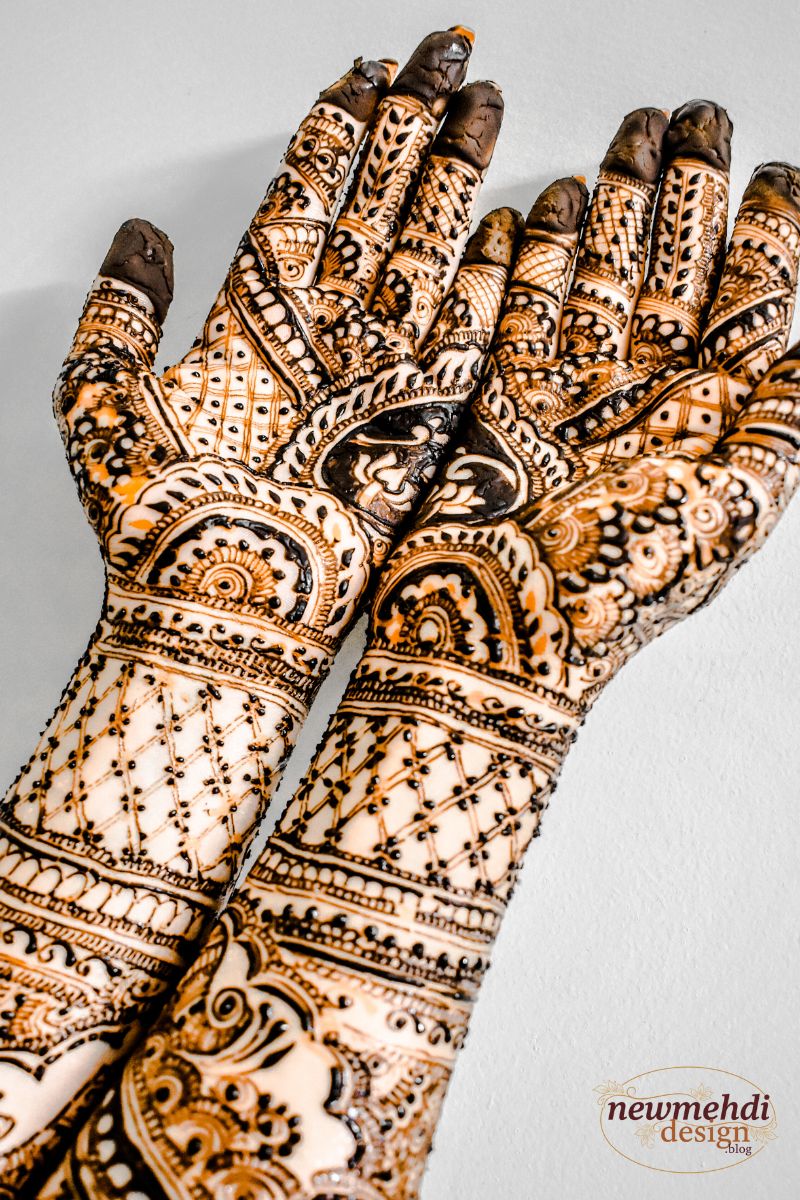
Bridal mehndi designs represent the pinnacle of henna artistry and cultural celebration. These elaborate wedding mehndi patterns signify the bride’s transition into married life through intricate symbolism and breathtaking beauty. Full hand coverage extends from fingertips past wrists, often reaching elbows for traditional ceremonies. The bridal mehendi ceremony typically occurs one or two nights before the wedding, allowing dark mehndi stain to develop properly. Friends and family gather during this joyous occasion, singing traditional songs and sharing blessings while the bride receives her henna. The darker the stain, the stronger the belief in the groom’s love according to popular cultural beliefs.
Bridal preparation demands careful planning regarding wedding planning timeline, design selection, and artist booking. Book mehndi artists several months in advance, especially during peak wedding seasons from October through March. Discuss your vision thoroughly with your artist, sharing inspiration photos and explaining your wedding theme. Wedding mehndi should complement your outfit colors, jewelry, and overall aesthetic vision. Consider whether you want personalized mehndi incorporating your love story or prefer classical motifs. Bridal mehndi application typically requires 4-8 hours depending on coverage extent and design complexity, so schedule accordingly with meals and comfort breaks planned.
Traditional Bridal Designs
Traditional bridal patterns showcase time-honored motifs passed through generations of henna artists. Classic elements include bride and groom figures hidden within intricate patterns, symbolizing the couple’s union. Temple domes, elephants representing strength, peacocks symbolizing beauty, and lotus mehndi design representing purity appear frequently. Romantic motifs like hearts, Cupid’s arrows, and intertwined vines tell love stories through symbolic imagery. Many brides request their partner’s name hidden within the design for the traditional name-finding game during wedding festivities. These traditional motifs connect brides to centuries of matrimonial celebration.
Contemporary Bridal Styles
Modern bridal mehndi reinterprets tradition through contemporary lenses for today’s brides. Contemporary wedding henna might feature minimalist mehndi elements with strategic negative space creating modern elegance. Some minimalist brides prefer single large florals as focal points rather than complete coverage. Asymmetrical patterns breaking traditional symmetry rules create artistic, fashion-forward statements. Modern brides increasingly request personalized designs incorporating meaningful symbols, travel maps, or professional emblems alongside traditional motifs. This evolution proves that respecting tradition doesn’t require copying it exactly—innovation honors heritage when done thoughtfully.
Personalizing Your Bridal Mehndi
Custom mehndi transforms generic patterns into deeply personal artistic expressions. Personalized mehndi might incorporate location coordinates where you met, proposal dates, or representations of shared hobbies. Couples with destination wedding plans often include famous landmarks from those locations. Pet lovers request portraits of beloved animals integrated into floral borders. Professional achievements like medical caduceus for doctors or musical notes for musicians add personal touches. Discuss custom designs with your artist early, providing reference images and clear descriptions. The trending patterns increasingly favor storytelling through henna rather than just decorative application.
Front Hand Mehndi Designs with Detailed Patterns
Front hand mehndi serves as the primary canvas for henna artistry’s most elaborate expressions. Palm mehndi designs showcase intricate work that’s immediately visible when greeting guests or displaying rings. Detailed henna art on palms requires exceptional skill since this area offers both opportunity and challenge—smooth skin accepts henna beautifully but curves and flexion points demand careful planning. Artists must create mehndi designs that flow naturally with hand movements rather than fighting against them. The visual aesthetics achieved on front hands often determine overall design success since these areas receive most attention.
Creating balanced designs involves carefully distributing visual weight across the entire hand. Front hand patterns should guide the eye naturally from fingertips through palms to wrists without abrupt stops or awkward transitions. Visual flow comes from thoughtful element placement and connecting patterns that unify separate design components. Easy front hand simple mehndi design options exist for those wanting impact without hours of application time. Many modern interpretations embrace negative space, proving that simple vs complex doesn’t determine beauty—execution quality matters most regardless of design density.
Central Mandala with Radiating Patterns
Mandala centerpiece designs dominate palm centers, creating focal points that anchor entire compositions. These radiating patterns extend outward from central circles like sunbursts or ripples on water. The mandala mehndi designs might feature traditional circular symmetry or modern asymmetrical interpretations. Surrounding the central mandala, paisley patterns, vine designs, and floral mehndi designs fill remaining space harmoniously. This arrangement creates natural visual hierarchy—eyes focus first on the mandala, then explore surrounding details. The technique works beautifully for both minimal mehndi and full coverage mehndi approaches.
Paisley-Dominated Front Designs
Paisley designs offer timeless elegance rooted in centuries of textile and body art tradition. These teardrop-shaped traditional motifs vary in size from fingernail to palm-filling, creating dynamic compositions. Filling techniques for paisleys range from simple cross-hatching to elaborate internal patterns mimicking fabric embroidery. Clustered mango motifs (another paisley name) with swirling tails create movement and rhythm across the hand. Embellishment methods like dotted highlights, mesh patterns, and checkered patterns add texture and visual interest to each paisley form.
Modern Abstract Front Designs
Abstract mehndi breaks traditional rules, creating avant-garde expressions for adventurous souls. Unconventional patterns might include asymmetrical geometric shapes, negative space emphasis, or non-traditional imagery. These contemporary patterns challenge expectations about what henna art can represent. Some artists incorporate modern symbols, abstract representations, or purely decorative elements divorced from traditional meanings. This unconventional approach particularly resonates with modern brides wanting to honor henna tradition while asserting individual creativity. The result? Stunning compositions that respect heritage while embracing innovation.
Back Hand Mehndi Designs – Elegant & Minimal Options
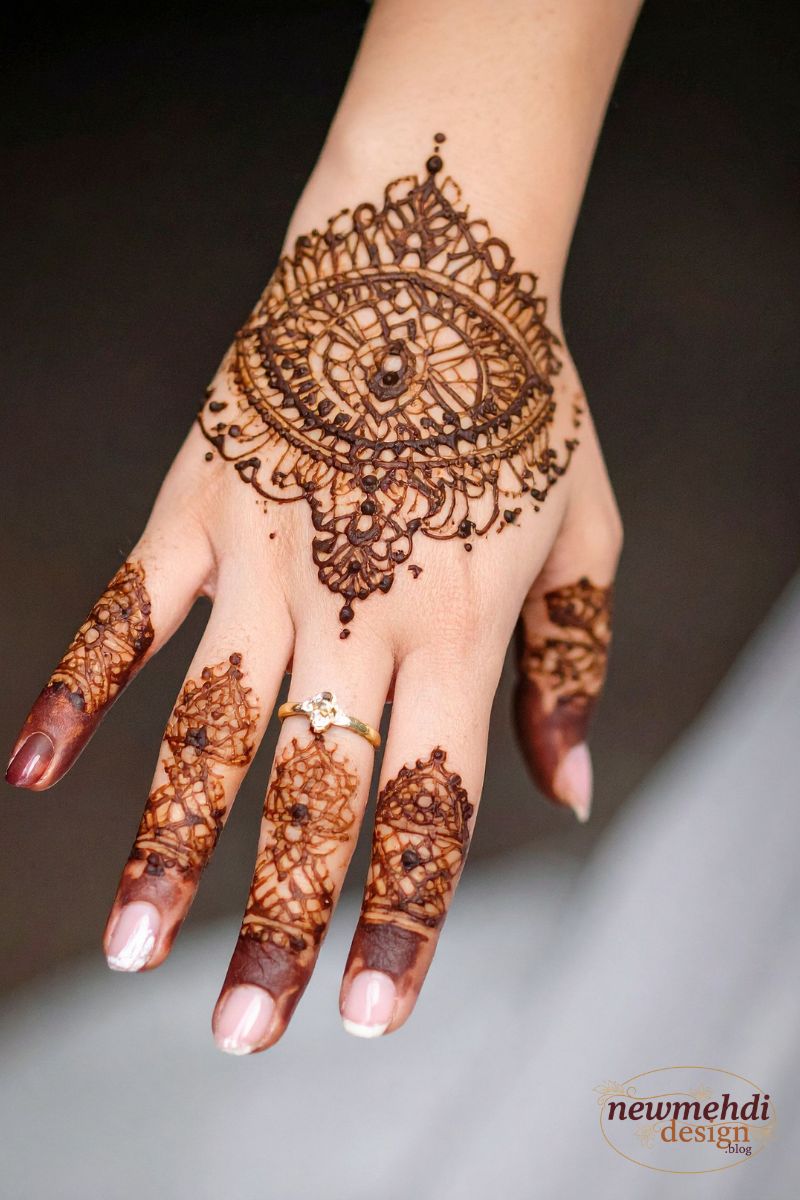
Back hand mehndi offers canvas for elegant henna designs that complement engagement rings and wedding bands beautifully. Backhand mehndi patterns visible during hand-raising ceremonies, ring exchanges, and traditional gestures receive significant attention during weddings. Minimal coverage on back hands creates sophisticated contrast when paired with elaborate palm designs. Many brides prefer elegant simplicity here, letting delicate patterns speak volumes without competing with front hand intricacy. The backhand mehndi aesthetic tends toward lighter, airier compositions respecting negative space as design element rather than area awaiting filling.
Strategic placement determines backhand mehndi success more than complexity or coverage extent. Understanding how to work with natural flow around knuckles, veins, and hand contours separates mediocre designs from exceptional ones. Artists consider how patterns frame fingers, emphasize or minimize hand width, and create visual balance. Back side mehndi design new trends favor asymmetrical placements, single-finger emphasis, or designs spanning multiple fingers unexpectedly. The key lies in creating stunning visual impact through thoughtful composition rather than dense coverage overwhelming the canvas.
Bracelet-Style Back Designs
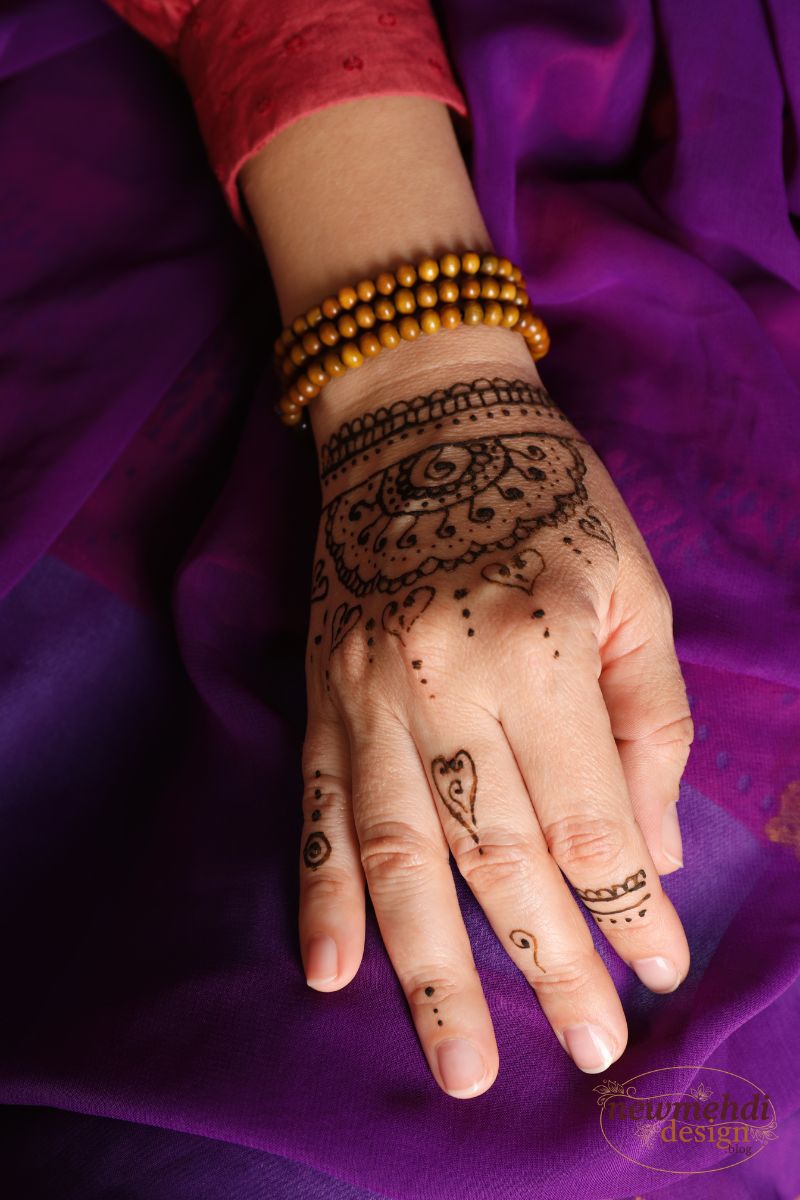
Bracelet mehndi creates jewelry-inspired patterns encircling wrists like ornate bangles or charm bracelets. These bracelet style mehndi designs range from delicate single-line creations to elaborate bands several inches wide. Popular elements include geometric mehndi designs, repeating floral mehndi designs, and lacy patterns mimicking precious metal work. The advantage? Even simple mehndi in bracelet form appears intentional and complete rather than unfinished. This style particularly suits those wanting henna’s cultural significance without extensive time commitment or overwhelming coverage.
Floral Trail Designs
Floral trails feature delicate vines flowing gracefully across hand backs from wrist to fingers. These trail designs typically emphasize single-stem compositions with occasional flower clusters rather than dense coverage. The vine designs might follow natural hand curves, diagonal angles, or unconventional paths creating visual interest. Leaf patterns interspersed with blooms add botanical authenticity and fill negative space subtly. This approach achieves graceful elegance through restraint—each element serves purpose rather than merely occupying space. The result feels organic, intentional, and refreshingly modern.
Mesh and Lace Patterns
Mesh patterns create intricate network effects resembling delicate fabric overlaying skin. These lacy patterns require exceptional precision as irregular spacing or inconsistent lines destroy the illusion. Artists create mesh effects through cross-hatching, diamond grids, or honeycomb arrangements forming detailed backgrounds. Lace designs might cover entire hand backs or accent specific areas like finger bases or wrist bands. The technique adds texture and depth, transforming simple outlines into complex, sophisticated compositions. This style particularly flatters back finger mehndi design applications where small spaces benefit from unified pattern treatment.
Mandala Mehndi Designs – Symmetrical Beauty
Mandala mehndi designs embody spiritual significance through perfect circular designs representing universal wholeness. The word “mandala” means circle in Sanskrit, symbolizing eternal cycles, cosmic order, and spiritual journeys. Symmetrical mehndi in mandala form requires mathematical precision and artistic sensitivity balancing structure with creativity. These mandala patterns serve as meditation tools in many spiritual traditions, making them particularly meaningful for brides seeking deeper connection during wedding preparations. The act of applying mehndi in mandala form can itself become meditative practice, centering the mind through repetitive, focused creation.
Creating flawless symmetrical designs demands developed symmetry techniques and patient execution. Artists often start with light pencil marks indicating major division points before applying henna. Layered patterns build complexity gradually from simple center outward through increasingly elaborate rings. Each concentric circle adds new design elements—dots become leaves, become petals, become geometric shapes—creating mesmerizing mandala artwork. The intricate nature challenges even experienced artists, but the stunning results justify the effort. Mandala mehndi designs work beautifully as standalone statement pieces or integrated into larger compositions.
Simple Mandala for Beginners
Beginner mandalas start with basic simple circles gradually adding complexity as confidence builds. Draw small center circle, then add 6-8 teardrop petals around it creating a daisy. Around this flower, draw a circular border with simple dots or short lines. Continue outward with additional borders, each slightly more detailed than the previous. This progressive approach prevents overwhelm while teaching fundamental geometric precision. Practice on paper until you can create three concentric circles with consistent spacing before attempting skin application. Remember—even complex intricate mandalas begin with these same simple foundations.
Intricate Mandala Masterpieces
Advanced intricate mandalas feature dozens of concentric rings with varying embellishment patterns. These geometric complexity showcases often require planning through preliminary sketches ensuring design fits available space appropriately. Artists incorporate multiple pattern types within single mandalas—mesh patterns, checkered patterns, dotted highlights, and floral mehndi designs all coexisting harmoniously. The mesmerizing optical effects created by perfect symmetry and progressive complexity demonstrate henna art’s highest technical achievements. These masterpieces require 2-4 hours for single palm completion, representing significant skill and dedication investments.
Mandala Placement Options
Mandala placement flexibility allows multiple strategic positioning approaches throughout hands and feet. Traditional palm center placement creates obvious focal point immediately drawing attention. Backhand mehndi mandalas offer sophisticated alternative, particularly when paired with minimal front coverage. Finger mehndi designs can feature tiny mandalas at fingertips like ornate nail art. Some brides request multiple mandalas scattered across both hands at various sizes creating unified aesthetic. Feet mehndi designs often anchor with large toe mandalas connecting to ankle patterns. The key lies in choosing placements that complement overall design vision.
Floral Mehndi Designs – Roses, Lotus & Leaf Patterns
Floral mehndi patterns celebrate nature’s beauty through botanical designs adorning skin with garden-inspired motifs. Flower motifs carry symbolic meanings across cultures—roses represent love, lotuses signify purity, jasmine indicates divine hope, and marigolds symbolize passion. These botanical elements form henna art’s foundation, appearing in nearly every regional style with local variations. The universal appeal stems from flowers’ inherent beauty and deep cultural resonance across civilizations. Floral mehndi designs suit every occasion from casual celebrations to elaborate bridal mehendi ceremony events, adapting easily to coverage preferences and style requirements.
Creating realistic flowers versus stylized floral interpretations represents fundamental artistic choice affecting overall aesthetic. Realistic botanical renderings require understanding flower anatomy, petal arrangements, and natural growth patterns. Shading methods add dimension making two-dimensional henna appear three-dimensional through strategic tone variations. Conversely, stylized flowers simplify natural forms into decorative elements prioritizing pattern flow over botanical accuracy. Many artists combine approaches—realistic centerpiece blooms surrounded by stylized supporting flowers create visual hierarchy and interest. Mastering shading techniques elevates floral work from adequate to exceptional regardless of chosen realism level.
Rose Mehndi Designs
Rose patterns dominate romantic designs particularly for wedding applications and Valentine’s celebrations. The rose motif appears in countless variations from tight buds to full blooms, profile views to overhead perspectives. Traditional roses feature spiral centers with surrounding petals increasing in size outward. Shaded florals using varied henna pressure create lighter inner petals and darker outer ones, suggesting dimensional depth. Some artists outline petals boldly then add internal vein details mimicking real rose anatomy. Romantic symbolism makes roses essential elements in bridal mehndi designs for full hands and anniversary celebrations.
Lotus Mehndi Patterns
Lotus motifs carry profound sacred symbols significance across Eastern spiritual traditions. The lotus mehndi design represents spiritual awakening, purity emerging from murky circumstances, and divine beauty. Layered petals create dimensional lotus flowers requiring careful planning for petal arrangement and sizing progression. Artists typically start with central seed pod representation, add innermost petals, then build outward through successive petal layers. Side-view lotus profiles show characteristic curved stems and distinctive leaf shapes. Overhead lotus views reveal perfect radial symmetry with petals arranged like living mandalas. The spiritual resonance makes lotus essential for sacred rituals and auspicious occasions.
Leaf and Vine Compositions
Vine compositions provide structural framework connecting disparate design elements into unified wholes. These leafy patterns create natural movement through flowing curves and organic growth suggestions. Leaf patterns vary from realistic representations of specific plants to purely decorative interpretations serving compositional needs. Some designs feature elaborate vine designs dominating compositions with flowers as accent elements rather than focal points. The organic flow achieved through skillful vine work prevents designs from appearing static or awkwardly arranged. Vines guide viewer’s eyes throughout the composition, creating visual journeys across the adorned skin.
Feet & Leg Mehndi Designs for Brides
Feet mehndi designs hold equal importance to hand applications in traditional bridal foot mehndi design ceremonies. The traditional significance stems from ancient beliefs that decorated feet bring prosperity and ward off negative energies. Bridal foot henna extends from toes through ankles, sometimes reaching knees for extremely elaborate applications. The designs should complement footwear choices—open-toed sandals versus covered shoes dramatically affect visibility and therefore design planning. Many brides coordinate feet mehndi designs with hand patterns through repeated motifs, color intensity, and overall aesthetic approach creating cohesive looks from fingertips to toes.
Coverage options for leg patterns range from minimal toe decoration to full lower-leg coverage depending on cultural traditions and personal preferences. Comfortable application presents unique challenges since artists must access feet and legs while maintaining their own comfortable positioning for hours. Brides should plan bridal preparation carefully, scheduling foot applications when they can remain seated peacefully without needing to walk frequently. The henna requires extended drying time, and premature movement can smudge designs or prevent proper staining. Consider wedding planning timeline carefully, ensuring foot applications occur when mobility restrictions won’t cause problems.
Toe and Footbed Designs
Toe designs transform each digit into miniature canvas showcasing intricate mehndi designs in compact formats. Footbed patterns covering the ball of foot often feature large focal motifs like mandalas, paisleys, or lotus mehndi design elements. The arch area typically receives lighter treatment or none at all since henna struggles to stain properly on non-contact areas. Artists must account for foot anatomy when planning designs—joint flexibility, natural creases, and weight-bearing areas all affect both application and longevity. Bootie designs stopping at ankles create defined endpoints without continuing up legs.
Ankle Bracelet Styles
Ankle designs mimic anklet jewelry through bracelet style mehndi encircling lower legs just above ankle bones. These connecting patterns often link foot designs to potential leg extensions, providing visual continuity between areas. Popular motifs include chains, beads, florals, and geometric bands creating jewelry illusions. Some brides request matching wrist mehndi and ankle designs for visual coordination. The anklet mehndi approach offers elegant compromise between full leg coverage and minimal decoration, providing cultural authenticity without extreme time commitments.
Full Leg Coverage
Leg coverage represents ultimate commitment to traditional bridal mehndi artistry. These elaborate designs extend from toes to knees or beyond, requiring 4-6 hours additional application time beyond hand work. Bridal showstopper leg patterns feature continuous design flow without obvious stopping points, creating seamless transitions from feet upward. The patterns might include repeating motifs growing larger as they ascend, or completely unique designs on different leg sections. Cultural traditions vary widely regarding leg henna—some consider it essential, others view it as optional or regional preference. Discuss expectations with family and artists early during planning.
Finger Mehndi Designs – Delicate & Trendy Ideas
Finger mehndi patterns showcase delicate designs highlighting hands’ natural grace and elegance. Trendy finger art ranges from full-finger coverage to minimal tip decoration, with infinite variations between extremes. Finger mehndi designs particularly complement modern jewelry trends toward statement rings and knuckle rings, with henna either framing pieces or replacing jewelry altogether. The delicate nature requires steady hands and fine cone tips achieving precise lines and tiny details. Ring patterns remain perpetually popular, creating jewelry illusions through strategic henna placement mimicking bands, settings, and embellishments.
Coordinated patterns across multiple fingers create visual unity elevating individual finger work into cohesive compositions. Unified designs might repeat identical patterns on each finger or create progressive sequences increasing in complexity from pinky to thumb. Alternatively, individual versus connected approaches let each finger showcase different patterns while maintaining stylistic consistency through shared motifs or line work. Back finger mehndi design applications visible when palms face downward deserve equal attention to front applications. Many modern designs emphasize finger sides and backs over fronts, shifting traditional focal points dramatically.
Ring-Style Finger Designs
Ring patterns create jewelry illusion through strategic henna placement mimicking precious metal bands. These designs might show single band encircling finger mid-section or multiple stacked bands suggesting ring sets. Multiple bands approach layers different pattern types at various finger locations creating complexity through repetition. Statement rings featuring large decorative elements positioned where gemstone settings would traditionally appear make bold impressions. These finger mehndi design simple approaches achieve maximum impact through minimal coverage, perfect for those wanting henna participation without extensive commitment.
Fingertip-Only Minimal Designs
Minimal coverage restricted to fingertips provides subtle elegance perfect for professional environments or conservative preferences. Tip coverage typically extends from nail to first knuckle, creating natural French manicure effect through henna staining. The subtle approach lets you participate in cultural traditions without bold statements potentially inappropriate for certain settings. Simple patterns like mesh patterns, dotted highlights, or solid fills require minimal application time—entire hand completed in 30-45 minutes. This accessibility makes fingertip henna perfect for festival mehndi when elaborate applications aren’t feasible.
Connected Finger Patterns
Connected designs featuring webbed patterns linking multiple fingers create dramatic, cohesive appearances. These webbed creations flow across hand backs, connecting individual fingers through lattices, chains, or organic vine growth patterns. The cohesive hand appearance achieved through connection emphasizes unity over individual elements. However, connected patterns limit finger flexibility during drying since movement can crack henna before proper staining occurs. Plan accordingly, ensuring timing allows extended stillness periods. The stunning visual results reward patience and planning, creating truly memorable henna experiences.
conclusion
Mehndi designs are a beautiful way to express tradition, creativity, and personal style. From bridal mehndi designs for full hands to elegant bridal foot mehndi design, each pattern adds charm to special moments. Modern choices like 3d mehndi design and back side mehndi design new bring a fresh look, while back finger mehndi design and finger mehndi design simple are perfect for minimal lovers. For grooms, bridegroom mehndi design offers subtle yet meaningful patterns. If you prefer simplicity, easy front hand simple mehndi design and easy simple mehndi designs for kids step by step are ideal for everyday or festive use.