
flowers with partial sun
Flowers with partial sun bring life and color to spaces that receive a balance of light and shade. Many gardeners assume blooms need full sunlight, but numerous varieties thrive with just a few hours of direct exposure each day. These adaptable plants are ideal for gardens beneath trees, along fences, or on balconies with filtered light. Choosing the right flowers ensures healthy growth, longer blooming seasons, and vibrant textures without constant maintenance.
By understanding light conditions and soil needs, you can create a flourishing landscape filled with shade tolerant flowers, partial sun plants, low light blooms, woodland garden flowers, and easy care flowering plants that enhance beauty year round naturally.
Understanding Light Conditions in Your Garden
Before selecting plants, accurately measure your garden’s sun exposure. Track a specific spot hourly from sunrise to sunset on a typical summer day. Count only direct, unfiltered sunlight—not light coming through tree leaves or reflected from nearby surfaces.
Morning sun (east-facing exposure) provides cooler, gentler light ideal for moisture-loving plants like astilbe, impatiens, and begonias. These areas warm gradually and rarely experience the stress of hot afternoon rays.
Afternoon sun (west-facing exposure) delivers more intense heat and light. Plants in these locations need greater drought tolerance and heat resistance. Black-eyed Susans, certain daylilies, and coneflowers handle this exposure better than delicate woodland species.
Dappled shade under trees creates constantly shifting light patterns. While charming, this condition requires plants that tolerate both brief sun bursts and extended shade periods. Japanese forest grass, coral bells, and hostas excel in these dynamic environments.
Seasonal changes dramatically alter light exposure. A spot receiving full spring sun may become deeply shaded once deciduous trees leaf out in June. Always evaluate locations during peak growing season (June-August) for accurate assessment.
heuchera berry smoothie
Top Perennials for Partial Sun
Hostas remain the undisputed champions of partial sun gardening. With thousands of cultivars ranging from miniature 6-inch varieties to massive 4-foot specimens, hostas offer unmatched foliage diversity. Colors span blue-green, chartreuse, gold, white-variegated, and everything between. While grown primarily for leaves, many produce lovely lavender or white flower spikes in summer. Zones 3-9.
Astilbe produces feathery plume flowers in pink, white, red, and peach from late spring through midsummer. These moisture-lovers thrive in consistently damp soil with 4-5 hours of morning sun. Heights range from compact 1-foot varieties to towering 4-foot specimens. The fernlike foliage remains attractive all season. Zones 4-9.
Coral bells (Heuchera) have revolutionized shade gardening with foliage in purple, lime, bronze, amber, and silver. Small bell-shaped flowers appear on wiry stems in spring, but the year-round leaf color provides the real show. Modern cultivars handle more sun exposure than older varieties while maintaining shade tolerance. Zones 4-9.
Bleeding heart brings old-fashioned charm with distinctive heart-shaped pink or white flowers dangling from arching stems in spring. Plants go dormant in summer heat, making them ideal companions for later-blooming perennials that fill the space. Zones 3-9.
Hellebores bloom in late winter to early spring when little else shows color. These tough evergreen perennials handle dry shade under trees, producing nodding flowers in white, pink, purple, and green. Once established, they’re nearly indestructible. Zones 4-9.
Brunnera features sky-blue forget-me-not flowers in spring, followed by large heart-shaped leaves that remain attractive through summer. Variegated cultivars with silver patterns brighten shady corners. This low-maintenance perennial spreads slowly to form dense groundcover. Zones 3-8.
Japanese anemone saves its show for late summer and fall when most shade plants have finished blooming. Tall stems (3-5 feet) carry pink or white flowers with golden centers above attractive foliage. These spreading perennials eventually form substantial clumps. Zones 4-8.

plants with foliage
Best Annual Flowers for Continuous Color
Impatiens deliver non-stop blooms from spring planting until frost in nearly every color imaginable. These workhorses thrive in 2-4 hours of sun, preferring morning exposure. Standard impatiens and New Guinea impatiens (which tolerate slightly more sun) both excel in containers and beds. No deadheading required.
Begonias offer two excellent options for partial sun. Wax begonias produce masses of small flowers above glossy green or bronze foliage, while tuberous begonias showcase larger, more dramatic blooms. Both handle 3-5 hours of sun and resist common pests and diseases better than most shade annuals.
Coleus has transformed from a foliage plant into a sun-tolerant powerhouse. Modern varieties handle 4-6 hours of sun while developing intense colors—burgundy, lime, orange, pink, and multicolor patterns. Pinch off flower spikes to maintain bushy growth and vibrant leaves.
Torenia (wishbone flower) produces orchid-like blooms in purple, pink, white, and yellow throughout summer. These compact plants (8-12 inches) work beautifully in containers or as edging along shaded borders. They’re surprisingly heat-tolerant for a shade annual.
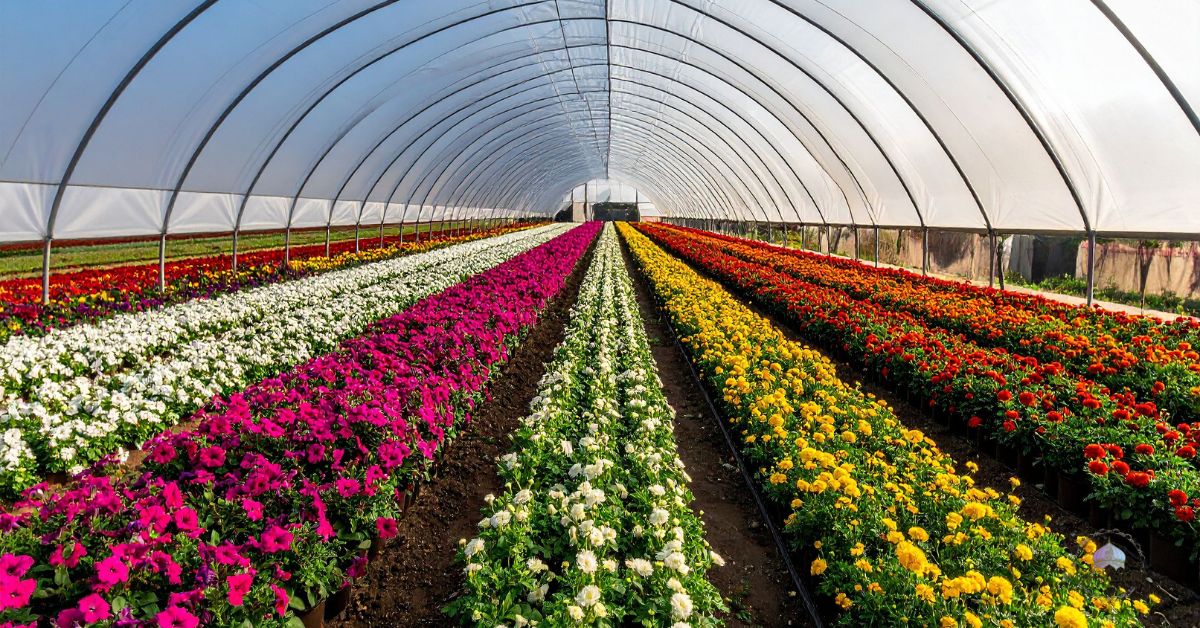
Flowering Shrubs That Love Partial Sun:flowers with partial sun
Hydrangeas reign supreme among partial sun shrubs. Bigleaf hydrangeas (Hydrangea macrophylla) prefer 4-6 hours of morning sun and produce massive flower heads in blue, pink, or white depending on soil pH. Oakleaf hydrangeas tolerate more sun and offer multi-season interest with exfoliating bark and brilliant fall foliage. Zones 5-9.
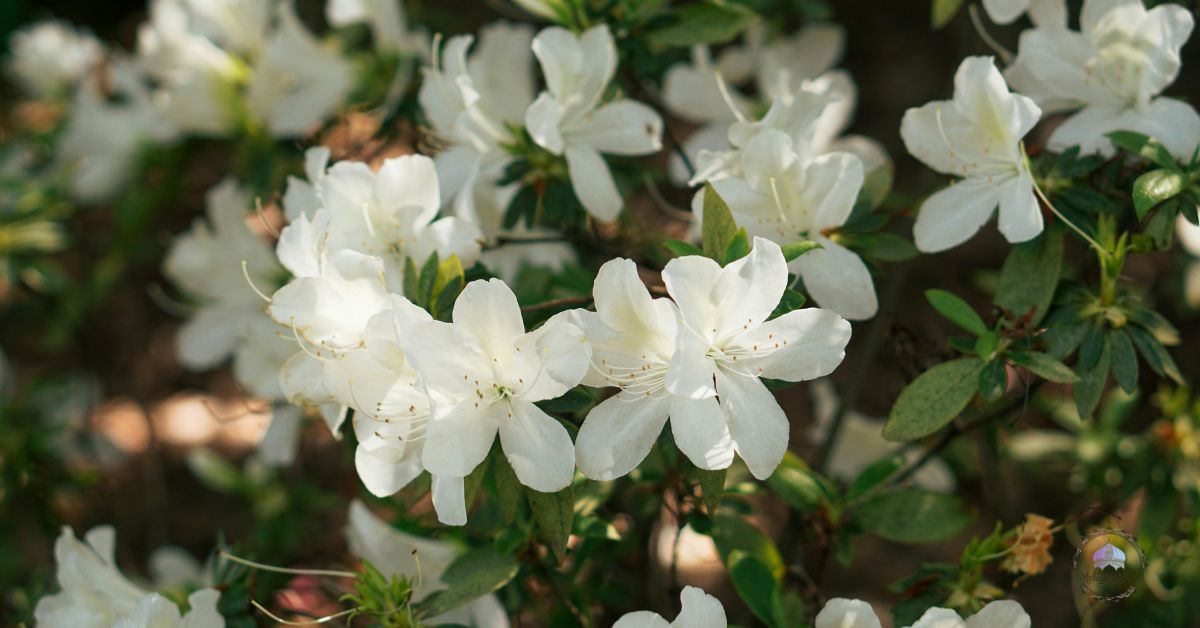
Rhododendrons and azaleas create spectacular spring displays in filtered light under high-canopy trees. Thousands of varieties offer flowers in every color except true blue. These acid-loving evergreens require well-drained, organic-rich soil. Size ranges from compact 2-foot azaleas to massive 8-foot rhododendrons. Zones vary by species.
Designing for Year-Round Interest
Create continuous bloom by layering plants with different flowering times. Start with early spring hellebores and bleeding heart, transition to summer astilbe and hydrangeas, then finish with fall Japanese anemones and toad lilies.
Combine foliage textures and colors for interest beyond flowers. Pair fine-textured astilbe fronds with bold hosta leaves. Mix chartreuse coral bells against dark purple heucheras. Add vertical interest with Japanese forest grass fountains among spreading groundcovers.
A successful partial sun garden typically uses a 70/30 ratio of perennials to annuals. Perennials provide the structural backbone and reduce long-term costs, while annuals fill gaps, provide guaranteed color, and allow design experimentation without permanent commitment.
Soil Preparation and Planting
Partial sun areas, especially under trees, often suffer from compacted, nutrient-poor soil and intense root competition. Success requires proper soil preparation before planting.
Test soil pH and adjust as needed. Most shade perennials prefer slightly acidic conditions (pH 5.5-6.5), though some like hellebores tolerate neutral to alkaline soil. Add sulfur to lower pH or lime to raise it based on test results.
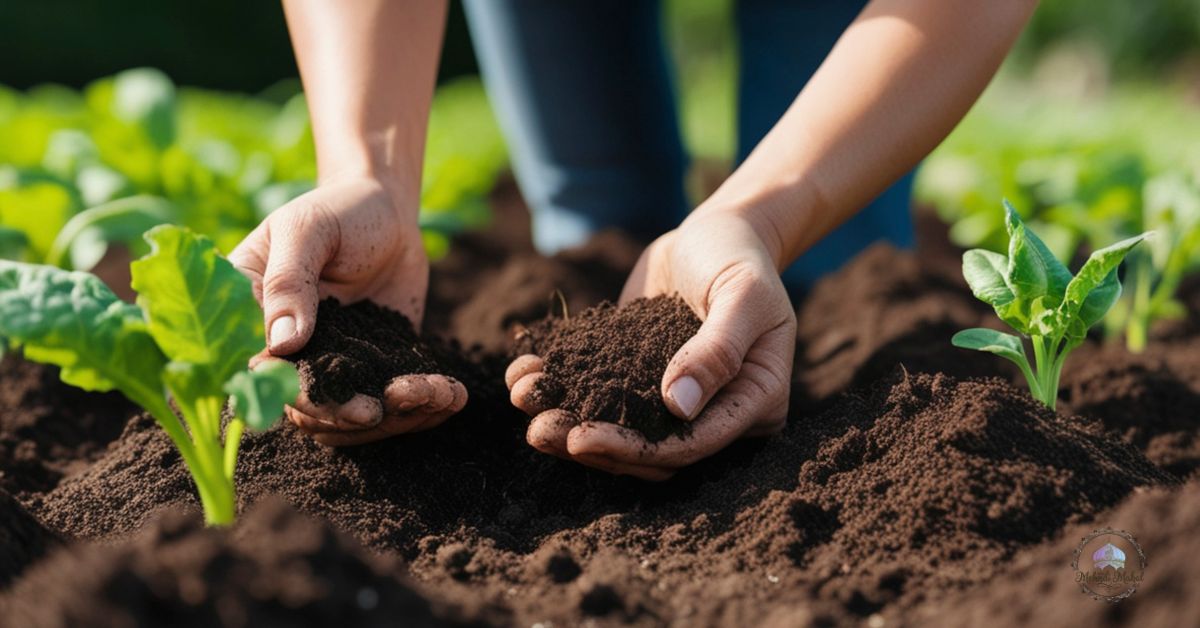
Work 2-4 inches of compost into the top 8-12 inches of soil. This improves drainage in clay soils and increases water retention in sandy conditions while adding essential organic matter. Under mature trees, avoid excessive deep tilling that damages roots.
Space plants according to their mature size, not current container size. Resist the urge to overcrowd for immediate fullness. Proper spacing improves air circulation, reduces disease, and allows plants to reach their full potential. Use annuals as temporary fillers while perennials establish.
Plant perennials in spring after the last frost or in fall 6-8 weeks before the first hard freeze. Spring planting allows full-season establishment, while fall planting takes advantage of cooler temperatures and autumn rains. Annuals go in after all frost danger passes and soil temperatures reach 60°F.
deer resistant evergreens
Watering and Maintenance
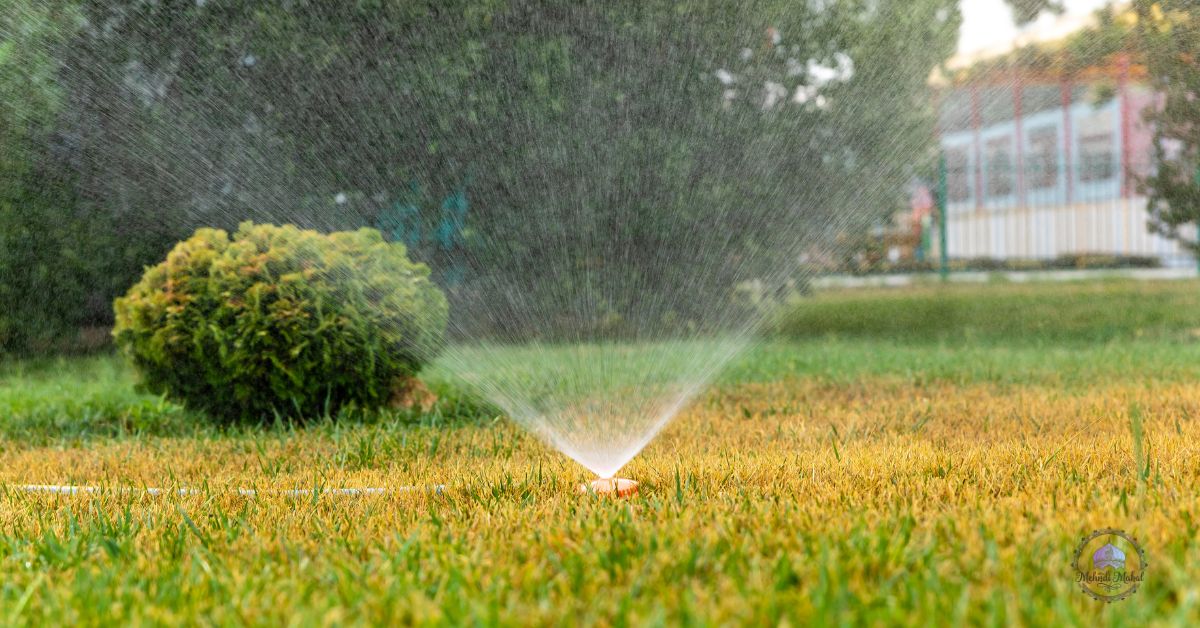
Partial sun flowers generally need 1-1.5 inches of water weekly, including rainfall. Newly planted specimens require daily watering for the first 2-3 weeks, then gradually transition to every 2-3 days as roots establish.
Plants near trees often need 50% more water due to root competition. Check soil moisture 2-3 inches deep before watering—if it feels dry, water deeply. Morning watering reduces fungal disease risk by allowing foliage to dry during the day.
Apply 2-3 inches of organic mulch around plants to conserve moisture, regulate soil temperature, and suppress weeds. Keep mulch 2-3 inches away from plant stems to prevent rot. Shredded hardwood bark, pine needles, or leaf compost all work well. Replenish annually as mulch decomposes.
Shade plants require less fertilizer than sun-lovers. Over-fertilizing causes weak, leggy growth and reduced flowering. Apply a balanced slow-release fertilizer (10-10-10) in spring at half the rate recommended for full sun gardens. Skip nitrogen-heavy formulations that promote foliage over blooms.
biotone fertilizer
Common Problems and Solutions
Lack of blooms usually indicates insufficient light, even in plants labeled shade-tolerant. Most flowering plants need at least 3-4 hours of direct sun to produce flowers. Other causes include excess nitrogen fertilizer, immature plants (perennials often don’t bloom until year two or three), or improper pruning.
Yellow leaves signal overwatering, poor drainage, or nutrient deficiency. Check soil moisture before assuming plants need water. Improve drainage by amending heavy clay with compost or perlite. Apply balanced fertilizer if leaves show overall yellowing rather than just lower leaf senescence.
Leggy, stretched growth results from insufficient light or overcrowding. Move plants to brighter locations if possible, or replace with more shade-tolerant alternatives. Thin overcrowded plantings to improve light penetration and air circulation.
Powdery white coating indicates powdery mildew, a fungal disease favored by poor air circulation and overhead watering. Improve spacing, water in morning rather than evening, and apply neem oil or sulfur-based fungicides. Choose resistant varieties for problem areas.
Holes in leaves come from slugs (irregular holes with slime trails), caterpillars (large holes with droppings), or beetles (small round holes). Hand-pick pests at night, use beer traps for slugs, or apply organic controls like Bacillus thuringiensis for caterpillars.

kinsman’s
Regional and Climate Considerations
Cold climate gardeners (Zones 3-5) should prioritize extremely hardy perennials like astilbe, hostas, coral bells, and bleeding heart. Mulch heavily for winter protection and choose early bloomers like hellebores and pulmonaria that tolerate late spring frosts.
Temperate regions (Zones 6-8) enjoy the widest plant selection. Both standard shade perennials and borderline-hardy varieties like Japanese forest grass and toad lily thrive. These zones support both spring and fall planting with equal success.
Warm climate gardeners (Zones 9-11) face different challenges. “Partial sun” in hot regions may mean only 3-4 hours maximum, as intense southern sun stresses plants quickly. Focus on heat-tolerant selections like caladiums, New Guinea impatiens, and tropical varieties. Many shade annuals from cooler climates perform as perennials here.
Humid climates increase fungal disease pressure. Prioritize air circulation, avoid overhead watering, and select disease-resistant cultivars. Powdery mildew and leaf spot become chronic problems without preventive measures.
Dry climates require drought-tolerant shade plants once established. Hellebores, certain coral bells varieties, and native woodland species adapted to local conditions outperform moisture-dependent imports. Drip irrigation and heavy mulching conserve precious water.
bushes with flowers for shade
Budget-Friendly Strategies
Start small with proven performers rather than attempting large-scale installations immediately. Hostas, impatiens, and begonias offer reliable results for beginners at reasonable prices ($5-10 per plant for perennials, $2-4 for annuals).
Divide existing perennials in spring or fall. Hostas, astilbe, coral bells, and daylilies all divide easily, turning one plant into three to five within a few years. Join local plant swaps or garden club sales for divisions from experienced gardeners.
Grow annuals from seed. Impatiens, coleus, and begonias all start easily indoors 8-10 weeks before the last frost. A $3 seed packet yields dozens of plants compared to $2-4 each at retail.
Shop end-of-season sales. Late summer and fall clearances offer deep discounts (50-75% off) on perennials that will establish over winter and perform beautifully next year. Spring sales provide similar savings on slow-to-move inventory.
Container Gardening in Partial Sun
Containers offer unique advantages for partial sun areas. Mobility allows you to track seasonal light changes, moving pots to optimal locations as sun patterns shift. Elevated plantings escape tree root competition while providing better drainage than in-ground beds.
Excellent container performers include begonias, impatiens, coleus, compact coral bells, small hostas, and torenia. Choose containers at least 12 inches in diameter to reduce watering frequency and provide adequate root space.
Use quality potting mix rather than garden soil. Potting mix drains well while retaining moisture—critical in containers that dry faster than ground plantings. Add slow-release fertilizer at planting, then supplement with liquid fertilizer every two weeks during active growth.
Container plants in partial sun need more frequent watering than in-ground plantings but less than full sun containers. Check soil moisture daily during hot weather, watering when the top inch feels dry. Group containers together to create humidity and reduce individual water stress.
link:Perennial Plants Summer Flowering Guide 2026
Frequently Asked Questions
What’s the difference between partial sun and partial shade?
Both terms indicate 3-6 hours of direct sunlight, but timing matters significantly. Partial sun typically refers to afternoon sun exposure, which is hotter and more intense. Partial shade suggests morning sun, which is gentler and preferred by most shade-loving plants. Plants labeled “partial sun” generally tolerate more intense light than those marked “partial shade.”
Can roses grow in partial sun?
Most roses require at least 6 hours of direct sunlight for optimal blooming and struggle with less. However, certain varieties tolerate partial sun better than others. Shrub roses and old garden roses like ‘Ballerina’ or ‘The Fairy’ perform acceptably with 4-5 hours of sun, though bloom quantity decreases compared to full-sun locations. Avoid hybrid teas in partial sun—they need maximum light.
How do I measure sun exposure in my garden?
Choose a typical summer day and observe your target area every hour from sunrise to sunset. Count only direct, unfiltered sunlight—not light through tree leaves or reflected from surfaces. Repeat on multiple days for accuracy, as weather affects results. Mobile apps like Sun Seeker or Sun Surveyor track sun paths year-round and predict seasonal changes.
Why aren’t my shade plants flowering?
Insufficient light is the most common culprit. Even shade-tolerant flowering plants need 3-4 hours of direct or bright filtered light to bloom. Other causes include excess nitrogen fertilizer (which promotes foliage over flowers), immature plants (many perennials don’t bloom until year two or three), improper pruning, and environmental stress from inconsistent watering.
What are the easiest flowers to grow in partial sun?
Hostas, impatiens, and begonias top the list for beginners. Hostas require minimal care beyond occasional watering and slug control while offering spectacular foliage variety. Impatiens provide continuous blooms all summer with basic watering and no deadheading. Begonias tolerate neglect better than most shade annuals and resist common pests and diseases.
How often should I water partial sun flowers?
Most partial sun flowers need 1-1.5 inches of water weekly, including rainfall. Newly planted flowers require daily watering for 2-3 weeks, then gradually reduce to every 2-3 days. Established perennials typically need deep watering once or twice weekly. Check soil moisture 2-3 inches deep before watering. Plants near trees often need 50% more water due to root competition.
Can I grow vegetables in partial sun?
Most vegetables require 6-8 hours of sun, but leafy greens tolerate partial sun well. Lettuce, spinach, arugula, and Asian greens produce acceptably with 4-5 hours of sun, especially in hot climates where afternoon shade prevents bolting. Herbs like parsley, cilantro, and mint adapt to partial sun. Fruiting vegetables like tomatoes, peppers, and squash perform poorly with limited light.
What flowers bloom all summer in partial sun?
Top continuous bloomers include impatiens, begonias (wax and tuberous), New Guinea impatiens, and torenia among annuals. These flower non-stop from spring planting until frost with minimal care. For perennials, reblooming daylilies, certain astilbe varieties, and repeat-blooming hydrangeas like ‘Endless Summer’ offer extended bloom periods, though most shade perennials flower for 2-4 weeks rather than continuously.
Do shade plants need different soil than sun plants?
Partial sun areas, especially under trees, often have unique soil conditions requiring specific amendments. Shade gardens typically need more organic matter to improve moisture retention and fertility since tree roots compete for nutrients. Many partial sun flowers prefer slightly acidic soil (pH 5.5-6.5). Test soil pH and adjust accordingly. Ensure good drainage—reduced evaporation in shade can create soggy conditions that kill plants.
Are there fragrant flowers for partial sun?
While most intensely fragrant flowers prefer full sun, several partial sun options provide pleasant scent. Hostas, particularly Hosta plantaginea, produce white fragrant blooms in evening. Lily-of-the-valley offers powerful spring fragrance but spreads aggressively. Sweet woodruff and certain azalea varieties add scent to shade gardens. Plant fragrant selections near pathways or seating areas to enjoy their perfume fully.
Conclusion
Transforming partial sun areas from problematic dead zones into thriving garden spaces requires understanding light conditions, selecting appropriate plants, and providing proper care. The distinction between morning and afternoon sun exposure guides plant selection, while soil preparation and consistent maintenance ensure long-term success.
Start by accurately measuring your garden’s light exposure throughout the growing season. Choose proven performers like hostas, astilbe, hydrangeas, and impatiens while you learn your site’s specific conditions. Combine perennials for structural backbone with annuals for guaranteed continuous color.
Proper soil preparation makes the difference between struggling plants and spectacular displays. Amend soil with generous organic matter, test and adjust pH, and ensure adequate drainage. Space plants correctly from the beginning and resist overcrowding temptations.
Success in partial sun gardening comes from working with your site’s natural conditions rather than fighting them. These transitional spaces offer opportunities for plants that would scorch in full sun while supporting more floral diversity than deep shade. With thoughtful selection and appropriate care, your partial sun areas can become garden highlights showcasing colors, textures, and seasonal interest throughout the year.