
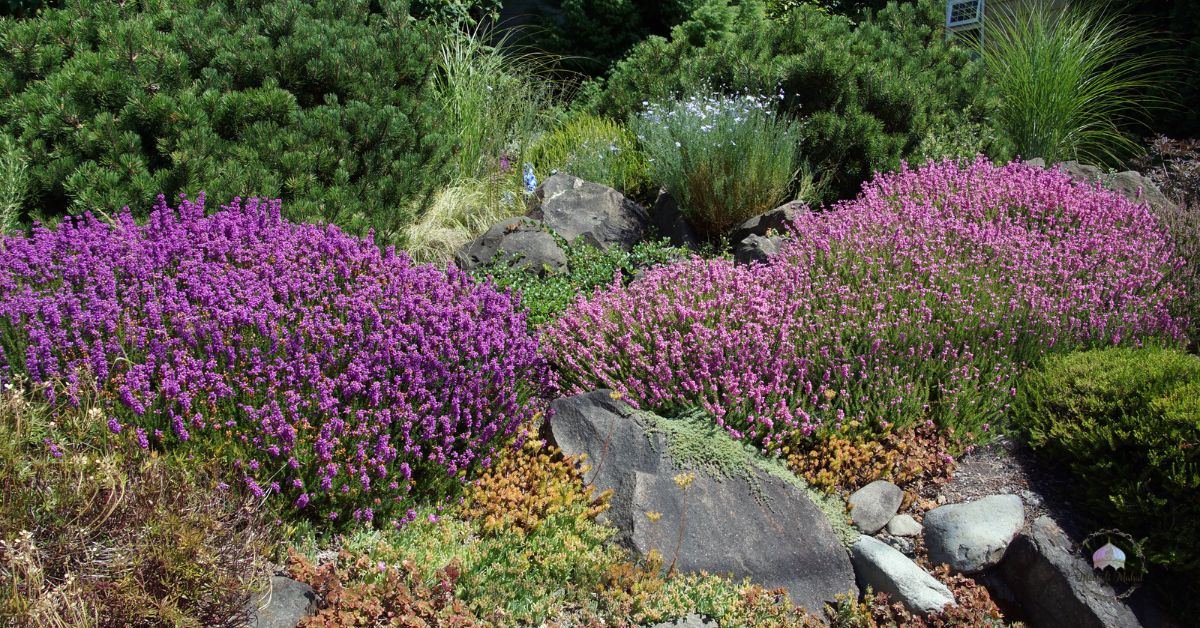
deer resistant shade tolerant shrubs
Deer damage is a common frustration for homeowners, landscapers, and gardeners across the United States. As suburban areas expand, deer frequently browse ornamental plants, often destroying years of effort in a single season. Choosing bushes that are deer resistant is one of the most practical ways to protect your landscape while maintaining beauty and structure.
These shrubs are naturally less appealing to deer because of their scent, texture, or taste. While no plant is completely deer proof, selecting deer resistant shrubs can significantly reduce browsing and maintenance. This guide helps you understand plants deer avoid, how resistance works, and how to choose reliable options for long-term, low-stress landscaping success overall.
What “Deer Resistant” Actually Means
Deer resistant does not mean deer proof. It means deer usually avoid these plants when other food sources are available. In periods of hunger, especially winter or drought, deer may still sample plants they normally ignore.
Deer resistance is influenced by:
- Local deer population density
- Seasonal food availability
- Plant maturity and health
- Regional deer behavior
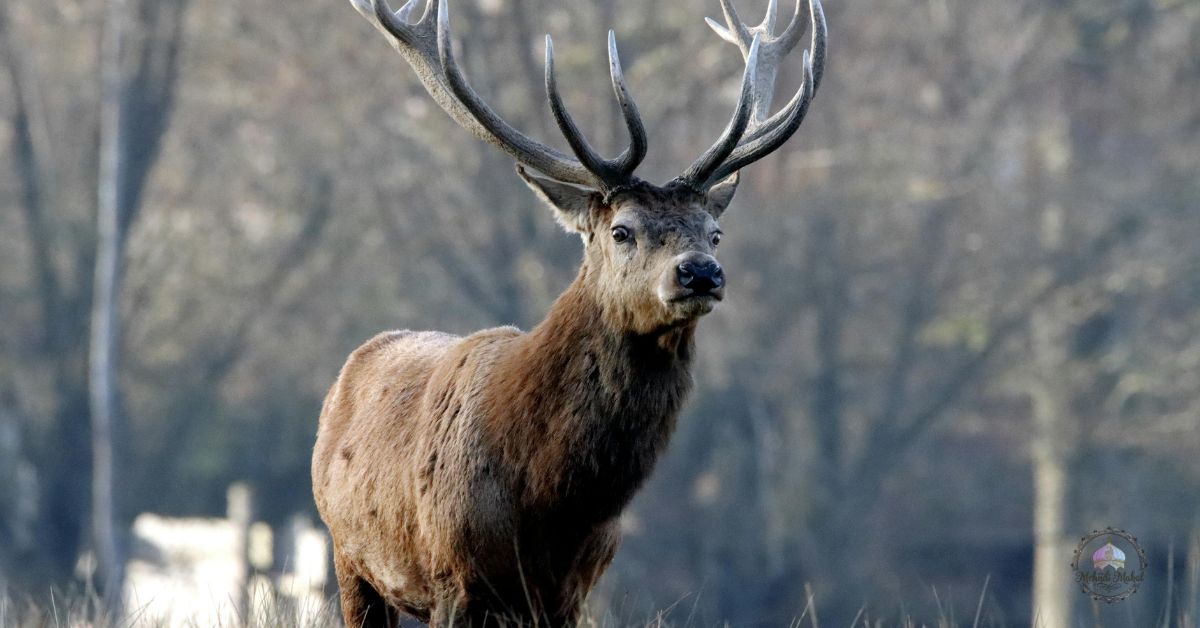
creekside nursery
Understanding this upfront prevents frustration and wasted money.
Why Deer Avoid Certain Bushes
Deer feeding choices are driven by biology. Their sensitive noses, digestive systems, and feeding habits shape what they prefer and avoid.
Most deer resistant bushes share one or more of these traits:
- Strong fragrance from foliage or flowers
- Bitter or unpleasant taste
- Toxic compounds that cause digestive upset
- Thick, leathery, fuzzy, or needle-like leaves
- Thorns or sharp stems
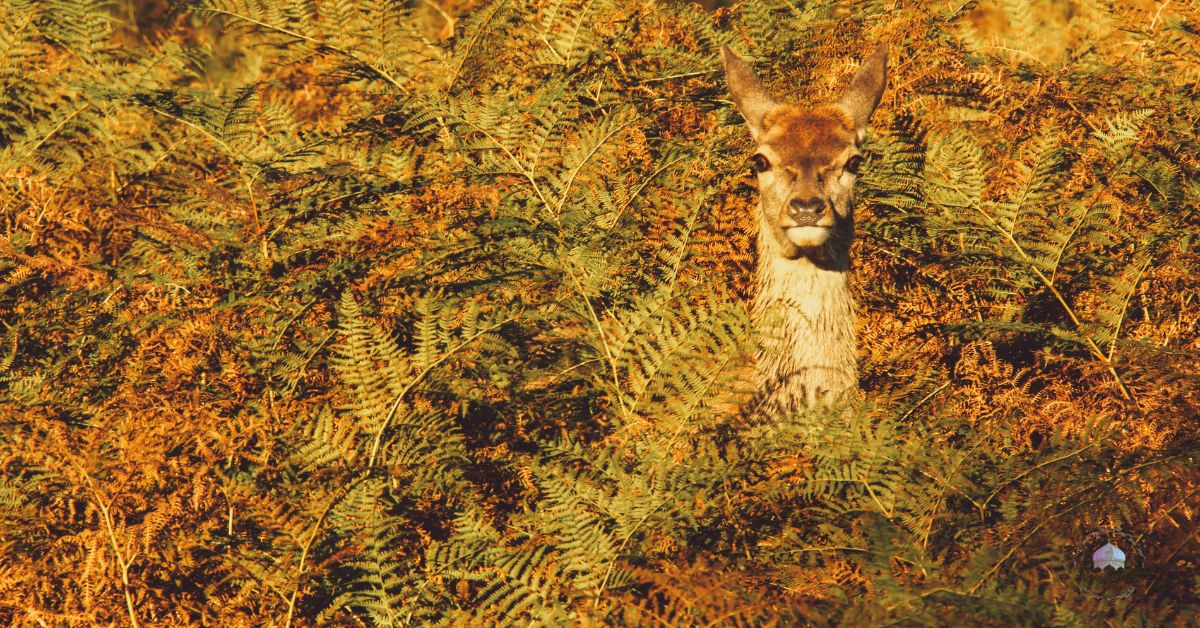
spring blooming plants
Shrubs with multiple deterrent traits tend to perform best under sustained pressure.
Best Bushes That Are Deer Resistant
Below are shrubs with consistent performance across many US regions. No list is universal, but these plants are widely recognized for low browsing damage.
Evergreen Deer Resistant Bushes
Evergreens are often targeted in winter, so resistance here matters.
Top options include:
- Boxwood (Buxus species): Dense foliage, bitter taste, widely used for hedges and foundations
- Juniper (Juniperus species): Sharp needles and strong aroma deter browsing
- Inkberry Holly (Ilex glabra): Native evergreen with good resistance once established
- Bluebeard (Caryopteris): Woody shrub with aromatic foliage
Best uses include privacy screens, foundation plantings, and formal landscapes.
Flowering Deer Resistant Bushes
Flowering shrubs add seasonal interest without becoming deer magnets.
Reliable choices:
- Spirea: Tough foliage and low palatability
- Butterfly Bush (Buddleja): Fragrant flowers, minimal browsing
- Potentilla: Fine texture leaves deer tend to ignore
- Lilac: Moderate resistance once mature
These work well in borders, pollinator gardens, and front yards.
Thorny or Toxic Deer Resistant Bushes
These shrubs offer higher resistance but require thoughtful placement.
Examples include:
- Barberry: Thorny stems, strong deterrent effect
- Mountain Laurel: Toxic foliage deer avoid
- Japanese Pieris: Bitter leaves and flowers
- Daphne: Fragrant and unappealing to deer
Use caution near walkways, pets, or children.
Deer Resistant Bushes by US Region
Deer behavior and plant performance vary by climate and geography. Choosing shrubs adapted to your region improves success.
Northeast and Upper Midwest
Cold winters increase browsing pressure.
Best performers:
- Boxwood (cold-hardy varieties)
- Juniper
- Ninebark
- Summersweet (Clethra)
Southeast and Mid-Atlantic
High humidity and mild winters change plant stress patterns.
Strong options:
- Wax Myrtle
- Yaupon Holly
- Abelia
- Gardenia
Southwest and Drought-Prone Areas
Water stress influences plant palatability.
Good choices:
- Texas Sage
- Rosemary
- Oleander
- Lavender
Pacific Northwest
Moist conditions and woodland edges are common.
Recommended shrubs:
- Pieris
- Oregon Grape Holly
- Select Viburnum varieties
Local garden centers are often the best source for region-tested varieties.
How to Choose the Right Deer Resistant Bush
Before buying, work through these questions:
- How heavy is deer pressure near my property?
- Is the planting close to woods, fields, or greenbelts?
- Do I need evergreen coverage or seasonal color?
- Are pets or children nearby?
- What is my USDA hardiness zone?
Quick Selection Guide
| Situation | Best Type of Shrub |
| Heavy deer pressure | Thorny or highly aromatic shrubs |
| Front yard | Boxwood, spirea, inkberry |
| Property edge | Barberry, juniper |
| Low maintenance | Native deer resistant shrubs |
How to Plant for Maximum Deer Resistance
Plant choice matters, but placement and care matter just as much.
Best practices include:
- Group deer resistant plants together rather than mixing with favorites
- Place new shrubs closer to the house, not at the forest edge
- Protect young plants for the first growing season
- Water deeply during establishment to reduce stress
- Avoid over-fertilizing, which encourages tender growth
Healthy, established shrubs experience less browsing.
Seasonal Considerations You Should Not Ignore
Many gardeners are surprised when deer eat resistant plants in winter. This is normal behavior.
Key seasonal patterns:
- Spring: Deer target soft new growth
- Summer: Browsing drops if food is abundant
- Fall: Feeding increases as deer prepare for winter
- Winter: Scarcity leads to desperate feeding
Planning for winter pressure is critical in colder regions.
Common Mistakes That Lead to Failure
Even good shrubs can fail if expectations are unrealistic.
Avoid these mistakes:
- Assuming deer resistance is permanent
- Planting resistant shrubs next to deer favorites
- Ignoring regional differences
- Relying on a single solution
Deer management works best as a layered approach.
When Deer Resistant Bushes Are Not Enough
In areas with extreme deer populations, shrubs alone may struggle.
Effective combinations include:
- Temporary or decorative fencing
- Motion-activated sprinklers
- Rotating deer repellents
- Landscape zoning with buffer plants
Using plants as part of a broader strategy delivers better long-term results.
Cost, Availability, and Buying Tips
Prices vary by size and species.
Typical US ranges:
- Small shrubs: $15 to $40
- Medium shrubs: $40 to $80
- Mature shrubs: $80 to $120+
Buying locally helps ensure plants are adapted to your climate and deer pressure.
links:Flowers with Partial Sun: 25+ Best Plants & Care Guide
link:5 Types of Cherry Bush to Grow in Edible Landscapes and Food Forests
FAQs
Are boxwoods really deer resistant?
Yes, deer usually avoid boxwoods, though winter browsing can still occur in severe conditions.
What bushes do deer avoid the most?
Shrubs with strong fragrance, toxic foliage, or thorns rank highest for resistance.
Are any bushes completely deer proof?
No. Deer resistant means less likely to be eaten, not immune.
Do deer eat shrubs in winter?
Yes. Winter is when browsing pressure is highest due to food scarcity.
Are native shrubs more deer resistant?
Many natives perform better once established, but resistance still varies.
Can deer resistant bushes replace repellents?
They reduce reliance but work best when combined with deterrents.
How long until shrubs become more deer resistant?
Most shrubs show improved resistance after one to two growing seasons.
Conclusion
Bushes that are deer resistant offer a practical foundation for long-term, low-stress landscaping, but success depends on realistic expectations. No shrub is completely safe, yet choosing proven species, matching them to your region, and planting them strategically can dramatically reduce damage.
Start with shrubs adapted to your climate, protect them while establishing, and combine plant choice with smart deterrents when pressure is high. A thoughtful approach saves money, time, and frustration while creating a landscape that can coexist with local wildlife.