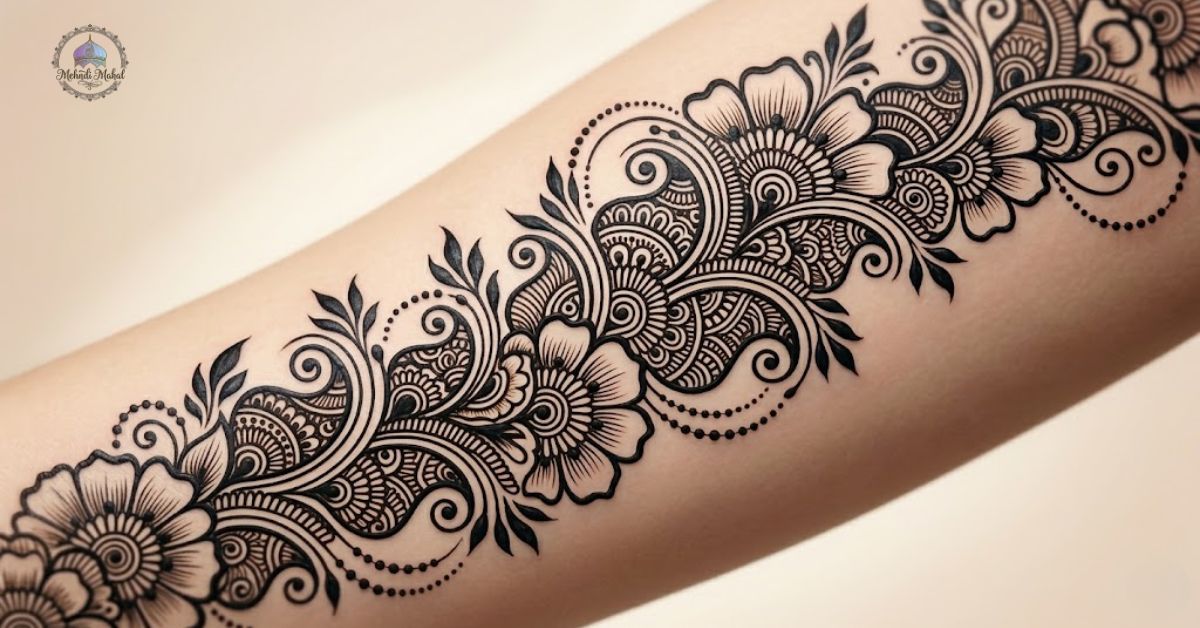
You’ve found the perfect design. You’ve spent hours scrolling, saving references, and dreaming about your next piece of ink. Now comes the question everybody asks — how much do tattoos cost in 2026? The answer isn’t simple. Tattoo prices across the USA range from $80 for a tiny wrist design to $6,500+ for a full sleeve masterpiece.
Size, style, artist skill, body placement, and your city all shape the final tattoo cost. Whether you’re a first-timer or a seasoned collector adding to your collection, understanding tattoo pricing before you book saves you from nasty surprises. This guide covers everything you need to know.
Quick Tattoo Price Overview (2026)
Getting inked in 2026 costs more than it did five years ago. Tattoo pricing has climbed steadily alongside rising studio rents, better equipment, and growing demand for skilled artists. Most Americans now pay between $150 and $500 for a small to medium tattoo. Larger, more complex work runs significantly higher. The tattoo price range depends on a handful of factors covered throughout this guide — but here’s a quick snapshot to start.
Inflation, increased artist education, and higher hygiene standards have all pushed tattoo prices upward since 2024. Studios in major cities like New York and Los Angeles now set minimums of $150–$300 just to sit in the chair. Even mid-sized cities have seen rates climb 15–20% over the past two years. The good news? Quality has risen alongside price — and that’s worth every penny.
| Tattoo Size | Average USA Cost (2026) |
| Tiny (under 2″) | $80 – $150 |
| Small (2″–4″) | $150 – $300 |
| Medium (4″–6″) | $300 – $700 |
| Large (6″–9″) | $700 – $1,500 |
| XL (9″–12″) | $1,500 – $3,000 |
| XXL / Full Area | $3,000 – $6,000+ |
What Factors Determine Tattoo Price?
Not all tattoos are priced equal — and once you understand why, the numbers start making a lot more sense. Tattoo cost isn’t random. It reflects real variables: the time an artist spends, the difficulty of the design, the tools and ink used, and the skill sitting behind the needle. Think of it like ordering a custom suit versus buying one off the rack. The more tailored the experience, the higher the investment.
Six core factors shape your final tattoo estimate: size, placement, style, artist experience, color complexity, and geographic location. Each one adds or subtracts from the base price in meaningful ways. A medium floral piece on your forearm costs far less than the same design on your ribs done in full color by a renowned artist in Manhattan. Knowing these variables puts you in control of your tattoo budget before you ever book a consultation.
Artist Experience & Reputation
Tattoo artist experience and cost go hand in hand. A junior artist fresh out of an apprenticeship charges less — typically $80–$120 per hour — because they’re still building their portfolio. Mid-level artists with three to seven years of experience charge $120–$200 per hour. Renowned pros with large followings and waitlists? They often command $250–$400+ per hour, and some charge even more.
Reputation adds a premium that goes beyond raw skill. As tattoo artist Project OXO notes, “Pricing also goes up depending on the artist’s reputation and career. Nowadays, someone might charge higher rates even without decades of experience if their work is solid and their name is trending.” Tattoo artist reputation pricing reflects not just talent but brand value — and sometimes, you’re paying for the prestige of being tattooed by a recognized name in the industry.
Tattoo Size & Placement Impact
Tattoo size and price move in a straight line — the bigger the piece, the more hours involved, and the higher the bill. A 2-inch design takes under an hour. A thigh piece covering 10 inches might need two full sessions. Tattoo placement cost adds another layer on top of size. Areas like the ribs, feet, hands, and neck are technically harder to tattoo and cause more discomfort — so many studios charge higher rates or set stricter minimums for these zones.
Hands and fingers are a prime example. Ink fades faster on these high-movement areas, which means more touch-ups and more sessions. Most reputable studios in the USA either charge extra for hand tattoos or limit the number of free touch-ups they’ll provide. Your tattoo session cost on a hand piece can end up 30–40% higher than the same design placed on a forearm.
Design Complexity & Style
Tattoo style pricing varies enormously across different artistic techniques. A simple black outline takes an hour. A hyper-realistic portrait with deep shading and fine detail can take six hours or more — for the same physical size. Custom tattoo price is always higher than flash tattoo price because a custom design requires the artist to sketch, revise, and create something entirely original just for you.
Flash tattoos — pre-drawn designs available at the studio — are typically the most affordable option. They’re quicker to execute and don’t require design time. As Project OXO explains, “Flash designs are usually more affordable because they’re pre-made and not unique — meaning someone else could have the same tattoo.” If uniqueness matters to you, budget more for a fully custom piece built around your vision and your artist’s signature style.
Color vs. Black & Grey
Color tattoo vs black and grey cost is a comparison worth understanding before you commit. Color tattoos require more ink passes, additional materials, and longer chair time. On average, a color piece costs 20–30% more than the equivalent design done in black and grey. Vibrant colors like red, yellow, and white also fade faster — meaning color tattoos often need touch-ups sooner than their monochrome counterparts.
Black and grey tattoos tend to age more gracefully and require less maintenance. For clients on a tighter tattoo budget, choosing black and grey over full color is one of the smartest financial decisions you can make without sacrificing artistic quality. Many of the world’s most stunning tattoos — particularly realism and portraiture — are done entirely in black and grey.
Studio Location & City
Tattoo prices by city reflect the economic reality of where you live. A studio in rural Kansas operates with far lower overhead than one on Sunset Boulevard. Tattoo artist rates in New York City regularly hit $200–$350 per hour. The same caliber of artist in a smaller Southern city might charge $100–$180 per hour. Neither is ripping you off — they’re just operating in completely different cost environments.
Tattoo shop minimum charge also varies dramatically by city. Most USA studios charge between $50 and $200 as a sitting minimum. In high-cost cities, that floor rises fast. Some elite NYC and LA studios won’t pick up a needle for under $300. If you’re budgeting for a small tattoo in a major metro, always check the shop minimum before booking.
Tattoo Price Chart by Size (Small to XXL)
Size is the single biggest price driver — full stop. Every other factor adjusts around it. Tattoo size and price share a direct relationship because tattoo artists primarily charge for time, and larger tattoos simply take more of it. A tiny behind-the-ear design and a sprawling back piece are fundamentally different commitments — in pain, healing time, and cost.
Understanding how dimensions translate into hours helps you set realistic expectations. A 4-inch forearm piece typically takes two to three hours. A 9-inch thigh design might run five to seven hours. XXL pieces — think full back panels or outer leg sleeves — span multiple sessions over several months. Your tattoo estimate should always account for the full scope of work, not just a single session.
| Size Category | Dimensions | Estimated Hours | USA Price Range (2026) |
| Tiny | Under 2″ | 0.5 – 1 hr | $80 – $150 |
| Small | 2″ – 4″ | 1 – 2 hrs | $150 – $300 |
| Medium | 4″ – 6″ | 2 – 4 hrs | $300 – $700 |
| Large | 6″ – 9″ | 4 – 7 hrs | $700 – $1,500 |
| XL | 9″ – 12″ | 7 – 10 hrs | $1,500 – $3,000 |
| XXL | Full body area | 10+ hrs | $3,000 – $6,000+ |
Small Tattoo Cost in the USA
Small tattoo cost is the most searched tattoo pricing query in America — and for good reason. Most first-timers start small. Popular small tattoo placements include the wrist, ankle, behind the ear, and inner forearm. At this size, you’re typically looking at one to two hours of work and a final price of $150–$300 at most reputable USA studios.
Design complexity still matters at the small scale. A simple small outline costs less than a small portrait packed with fine detail. Even at 3 inches, realistic shading and intricate linework take significantly longer than a basic symbol or word. Always describe your design in full detail when requesting a tattoo price quote — never assume size alone determines the total.
Medium Tattoo Cost in the USA
Medium tattoo cost covers the sweet spot where most Americans spend their tattoo dollars. Forearm pieces, calf designs, and shoulder blade tattoos typically fall in this range. At four to six inches, you’re looking at two to four hours of chair time and a total tattoo cost of $300–$700 depending on style, detail, and artist level.
Medium tattoos offer the best balance of impact and investment. They’re large enough to make a visual statement but small enough to complete in a single session. Many clients use medium-sized pieces as standalone designs or as anchor points for future sleeve work. If you’re planning a sleeve eventually, starting with a strong medium anchor piece is a smart long-term strategy for managing your overall tattoo budget.
Large & XL Tattoo Cost in the USA
Large tattoos covering the chest, thigh, or full back enter different financial territory. At six to twelve inches, these pieces require four to ten hours of work and typically run $700–$3,000 or more. The tattoo session cost for large work often spans multiple visits — not because artists can’t work longer but because skin needs recovery time between extended sessions.
XL tattoos demand serious planning. Most artists won’t book you for more than five to six hours in a single sitting, both for your comfort and the quality of the work. That means a large thigh piece priced at $1,800 total might involve two separate $900 sessions scheduled weeks apart. Factor that timeline into your tattoo budget when planning large-scale work.
Tattoo Cost by Artist Skill Level
The artist’s hands matter more than the design itself. You can bring the most stunning reference image in the world — but if the person holding the needle lacks the skill to execute it properly, you’ll end up disappointed. Tattoo artist experience and cost are inseparable because skilled artists charge more for a straightforward reason: they’ve earned it through years of practice, study, and professional development.
Choosing the right skill tier for your specific design is key. Not every tattoo requires a $300-per-hour pro. A simple flash design or bold traditional piece can look excellent from a competent mid-level artist. But if you’re commissioning a hyper-realistic portrait or an intricate sleeve, cutting corners on artist quality is the most expensive mistake you can make — the tattoo removal cost alone could wipe out any money saved upfront.
| Artist Level | Hourly Rate (USA 2026) | Best For |
| Junior / Apprentice | $80 – $120/hr | Simple flash, basic linework |
| Mid-Level | $120 – $200/hr | Custom pieces, color work |
| Pro / Renowned | $200 – $400+/hr | Realism, portraits, complex art |
Is a More Expensive Artist Worth It?
Quality tattoo work holds its integrity for decades. Poorly executed tattoos fade, blur, and distort within years — sometimes months. Tattoo removal in the USA costs $200–$500 per session, and most tattoos require five to ten sessions for full removal. That’s a potential $2,500 investment just to erase a regrettable decision. Choosing a skilled artist upfront is almost always cheaper in the long run.
Tattoo artist reputation pricing reflects the full value of what you’re receiving — not just the time in the chair but the years of training behind every line. Consider it this way: a $250-per-hour artist completing a two-hour piece charges $500. That $500 buys you something that lives on your skin for the rest of your life. Framed that way, the tattoo price suddenly seems like the most reasonable luxury purchase you’ll ever make.
Tattoo Cost by Style & Design Type
Your chosen style could double — or halve — your final bill. Tattoo style pricing varies enormously because different techniques require fundamentally different amounts of time and expertise. A bold traditional tattoo with flat color and clean outlines moves quickly. A photorealistic portrait with complex shading, skin tones, and intricate detail moves slowly — very slowly. The style you choose directly shapes how many hours you’ll pay for.
Understanding the cost hierarchy of different styles helps you align your aesthetic preferences with your financial reality. If you love the look of realism but have a limited budget, a skilled black and grey illustrative piece might deliver a similar visual impact at a significantly lower tattoo cost. Great artists can often suggest style alternatives that honor your original vision while fitting your budget more comfortably.
| Tattoo Style | Complexity Level | Relative Cost |
| Minimalist / Fine Line | Low | $ |
| Traditional | Medium | $$ |
| Neo-Traditional | Medium-High | $$ – $$$ |
| Watercolor | High | $$$ |
| Blackwork / Geometric | Medium | $$ |
| Realism / Portrait | Very High | $$$$ |
| Japanese / Irezumi | Very High | $$$$ |
| Illustrative | Medium-High | $$ – $$$ |
How Much Do Realistic Tattoos Cost?
Realism is the most time-intensive tattoo style in existence. A medium-sized realistic portrait — say, a face at four to five inches — can take five to eight hours to complete properly. At mid-to-pro tattoo artist rates, that translates to $600–$2,000 for a single piece. Large realistic back panels or full thigh pieces regularly exceed $3,000–$5,000 at reputable studios.
The technical demands of realism justify every dollar. Artists working in this style must master light, shadow, texture, and depth simultaneously — all on a curved, living surface that heals and shifts over time. Many realism specialists also charge a custom tattoo price premium because each piece requires extensive reference study and custom sketching before a single line touches your skin.
How Much Do Fine Line Tattoos Cost?
Fine line tattoos have exploded in popularity across the USA over the past few years. Despite their delicate appearance, they require considerable technical precision. A small fine line piece typically costs $150–$400. Medium fine line work — floral sleeves, detailed botanical designs — runs $400–$900 depending on density and coverage.
Flash tattoo price for fine line designs tends to be lower since many studios offer pre-drawn fine line flash sheets at accessible price points. However, custom fine line work — especially intricate pieces with detailed shading or microscopic linework — commands a meaningful premium. Always verify that your chosen artist specializes in fine line before booking. This style doesn’t forgive inexperience.
Tattoo Sleeve Price Guide
A sleeve isn’t just a tattoo — it’s a commitment to art and budget. Full sleeve tattoo cost represents one of the largest single investments in the tattoo world. Most American clients spend months or even years completing a full sleeve, working through multiple sessions with the same artist to build a cohesive, flowing composition from wrist to shoulder. It’s a long-term relationship between client, artist, and skin.
Half sleeve tattoo price is more approachable for first-time sleeve clients. Covering either the upper or lower arm, a half sleeve typically requires two to four sessions and runs $1,200–$2,800 at most USA studios. Full sleeves double that investment in both time and money. Leg sleeves — covering the full leg from ankle to hip — are equally priced and increasingly popular among American tattoo enthusiasts.
| Sleeve Type | Coverage Area | Estimated Sessions | USA Cost Range (2026) |
| Quarter Sleeve | Upper or lower arm only | 1 – 2 | $500 – $1,200 |
| Half Sleeve | Elbow to shoulder or wrist | 2 – 4 | $1,200 – $2,800 |
| Full Sleeve | Wrist to shoulder | 4 – 8+ | $3,000 – $6,500+ |
| Full Leg Sleeve | Ankle to hip | 5 – 10+ | $3,500 – $7,000+ |
How Much Does a Half Sleeve Tattoo Cost?
Half sleeve tattoo price sits between $1,200 and $2,800 for most clients at reputable USA studios. The range reflects differences in style complexity, artist level, and how densely packed the design is. A bold traditional half sleeve with flat color moves faster than a densely detailed black and grey illustrative piece covering the same area. Your tattoo estimate for a half sleeve should always come from a direct consultation with your chosen artist.
Most half sleeves are completed across two to four sessions scheduled four to eight weeks apart. This spacing allows the skin to heal properly between sessions and lets the artist assess how the ink has settled before adding the next layer of work. Budget not just for the tattoo session cost itself but for the time investment — a half sleeve is typically a three-to-six-month commitment from first session to final touch-up.
How Much Does a Full Sleeve Tattoo Cost?
Full sleeve tattoo cost in the USA ranges from $3,000 on the conservative end to $6,500 and beyond for premium work. Elite artists with strong reputations charge more — and they’re worth it. A cohesive, well-executed full sleeve is a masterwork that requires consistent artistic vision across 20–40+ total hours of work spread over multiple sessions.
Planning your full sleeve budget requires honesty about your expectations. A $3,000 sleeve and a $6,000 sleeve tell two very different stories when you look at them up close. The higher investment buys you denser detail, finer execution, more complex shading, and an artist whose portfolio proves they can deliver at that level. Don’t cut your sleeve budget at the final stretch — the last sessions are often where the most defining details get added.
Tattoo Cost by Body Placement
Where you put your tattoo matters just as much as what you put there. Tattoo placement cost varies because different body areas present different technical challenges. Flat, stable surfaces like the outer forearm or upper back are ideal canvases — skin behaves predictably, the area is easy to access, and healing is generally straightforward. More complex areas introduce friction, curvature, and sensitivity that drive up both difficulty and price.
Studios across the USA handle difficult placements differently. Some charge a flat premium for high-difficulty areas. Others apply higher minimums specifically for hands, fingers, necks, and faces. A few studios simply decline certain placements altogether — particularly face tattoos — unless the client already has significant existing work. Always ask about placement-specific pricing before booking any tattoo on a high-difficulty body area.
| Body Area | Technical Difficulty | Average Cost Modifier |
| Outer Forearm | Easy | Standard rate |
| Upper Arm | Easy | Standard rate |
| Shoulder Blade | Easy-Medium | Standard rate |
| Chest / Sternum | Medium | +10 – 20% |
| Upper Back | Medium | +10 – 20% |
| Ribs | Hard | +20 – 30% |
| Neck | Hard | +20 – 30% |
| Hands / Fingers | Very Hard | +30 – 40% |
| Feet / Toes | Very Hard | +30 – 40% |
| Face | Extreme | +50%+ |
Do Hand and Finger Tattoos Cost More?
Yes — and the reasons go beyond just the difficulty of tattooing them. Tattoo placement cost on hands and fingers is higher because the ink fades significantly faster in these high-movement, high-friction areas. Most clients need touch-ups within one to two years of getting hand tattoos. Many studios limit complimentary touch-ups for hands and fingers specifically because of how predictably the ink migrates and fades.
Walk-in tattoo price for a simple finger design might seem low — sometimes $80–$150 at a basic studio. But factor in the near-certain touch-up costs within the first year and the potential need for full reworks over time, and your total investment climbs considerably. The true tattoo cost of a hand piece is measured over years, not just the initial session.
Hourly Rate vs Flat Rate — How Do Artists Charge?
Before you sit in the chair, understand exactly how you’ll be charged. Most USA tattoo artists use one of three pricing models: hourly tattoo rate, flat rate per piece, or day rate for extended sessions. Each model works better in different situations — and knowing which applies to your project helps you budget accurately and avoid sticker shock when the session ends.
Hourly tattoo rate is the most common model for custom work. It’s transparent — you pay for exactly the time your artist spends on your piece. The downside is unpredictability. An intricate design that your artist estimates at three hours might take four if unexpected complications arise. Flat rates work better for small, well-defined designs where the artist can accurately gauge the total work upfront. Day rates suit marathon sessions on large-scale projects.
| Pricing Model | Best Suited For | Main Advantage | Main Drawback |
| Hourly Rate | Large, custom work | Fully transparent | Final total can vary |
| Flat Rate | Small or flash designs | Fixed, predictable cost | May rush the execution |
| Half Day Rate | 3 – 5 hour sessions | Good value for mid-range work | Requires advance commitment |
| Full Day Rate | 6 – 8 hour sessions | Best value for large pieces | Demanding physically |
What Is a Tattoo Shop Minimum Charge?
Tattoo shop minimum charge is the baseline fee a studio charges regardless of how small or simple the design is. It exists to cover the artist’s time, setup costs, sterilization procedures, and the overhead of running a professional studio. Most USA shops set their minimum between $50 and $200. In high-cost cities, that number climbs steeply.
In New York City, tattoo shop minimum charge at many reputable studios starts at $150–$300. In Los Angeles, expect $100–$250 as a floor. Even if your desired tattoo would theoretically take only 20 minutes to execute, you’ll pay the minimum regardless. Always confirm the shop minimum when researching studios — especially for small or simple designs where the minimum represents the true tattoo price you’ll pay.
Tattoo Price by City & Region (USA)
The same tattoo can cost twice as much depending on your zip code. Tattoo prices by city reflect the economic reality of each local market — studio rent, cost of living, artist demand, and regional competition all shape what you pay. A skilled mid-level artist in Austin charges genuinely less than an equally skilled artist in San Francisco, not because one is better than the other but because their operating costs are fundamentally different.
Understanding regional tattoo pricing helps you make smarter decisions — especially if you’re willing to travel for a specific artist or a better rate. Some clients in high-cost metros deliberately visit artists in lower-cost cities for large projects, saving hundreds or even thousands of dollars on extended sleeve work. That said, always prioritize portfolio quality over geography. A slightly longer drive to a better artist beats a cheaper appointment with someone whose work doesn’t match your vision.
| City / Region | Average Hourly Rate | Typical Shop Minimum |
| New York City | $200 – $350/hr | $150 – $300 |
| Los Angeles | $180 – $300/hr | $100 – $250 |
| Chicago | $150 – $250/hr | $100 – $200 |
| Miami | $150 – $250/hr | $100 – $200 |
| Austin | $120 – $200/hr | $80 – $150 |
| Seattle | $150 – $250/hr | $100 – $200 |
| Nashville | $100 – $180/hr | $75 – $150 |
| Small Town USA | $80 – $150/hr | $50 – $100 |
Are Tattoos Cheaper in Smaller US Cities?
Yes — but the gap in quality can be just as wide as the gap in price. Affordable tattoo artists USA exist in every market, but smaller cities have fewer highly specialized artists. If you want a specific niche style — Japanese irezumi, hyper-realism, or intricate blackwork — a small-town studio may simply not have an artist capable of delivering it at any price. Research portfolios obsessively regardless of location.
Tattoo convention pricing offers an interesting middle ground. Major conventions in cities like Las Vegas, Chicago, and Miami bring together artists from across the USA and internationally. Tattoo artist travel cost is often factored into convention pricing — rates run slightly higher — but conventions give you access to artists you’d never encounter locally. For collectors chasing specific artists, convention appointments are worth the premium.
Photo Examples of Tattoos with Real Pricing
A picture’s worth a thousand words — and in tattooing, sometimes a thousand dollars. Real-world pricing examples help you calibrate what your budget actually buys. These examples reflect average market rates at reputable USA studios in 2026, covering a range of styles, sizes, and placements to give you a comprehensive reference point.
Guest spot tattoo pricing is relevant here too. When a notable artist visits a studio for a guest spot, they typically charge their standard rate plus a travel premium. Getting tattooed during a guest spot can mean paying 15–25% more than that artist’s home studio rate — but it also means getting work from someone whose local waitlist might otherwise stretch 12–18 months.
| Tattoo Example | Style | Size | Placement | Price Range |
| Script quote | Fine Line | Small | Wrist | $150 – $250 |
| Floral design | Illustrative | Medium | Forearm | $350 – $600 |
| Animal portrait | Realism B&G | Medium | Upper arm | $600 – $1,000 |
| Traditional eagle | Traditional | Large | Chest | $900 – $1,500 |
| Botanical sleeve | Fine Line | Half Sleeve | Arm | $1,400 – $2,500 |
| Japanese dragon | Japanese | Full Sleeve | Arm | $4,000 – $6,500+ |
| Geometric mandala | Geometric | Large | Back | $800 – $1,400 |
| Watercolor floral | Watercolor | Medium | Shoulder | $500 – $900 |
| Neck piece | Blackwork | Medium | Neck | $400 – $700 |
| Full back tattoo price | Realism | XXL | Back | $3,000 – $6,000+ |
Additional Costs to Budget For
The tattoo cost doesn’t end when the session does. Smart clients budget for the full experience — not just the sitting fee. There are several additional expenses that catch first-time clients off guard, from the tip you leave your artist to the aftercare products you’ll need for the following weeks. Understanding the complete financial picture helps you avoid stress and ensures your tattoo heals beautifully.
Tattoo aftercare cost is one of the most overlooked line items in any tattoo budget. Quality aftercare products — specialized balms, fragrance-free moisturizers, healing ointments — typically run $15–$50 for a single healing cycle. Skipping proper aftercare to save $20 is a false economy. Poor healing leads to patchy color, lost linework, and the need for touch-up sessions that cost far more than the products you skipped.
| Additional Cost Item | Average USA Price |
| Artist tip (15 – 20%) | $30 – $150+ |
| Aftercare products | $15 – $50 |
| Touch-up session | $50 – $200 |
| Design deposit | $50 – $200 |
| Consultation fee | $0 – $50 |
| Tattoo removal (per session) | $200 – $500 |
| Numbing cream | $10 – $30 |
| Protective clothing / wraps | $10 – $25 |
link:Additional Costs and Fees to Consider
Should You Tip Your Tattoo Artist?
Absolutely — and in the USA, it’s expected. Tipping your tattoo artist is standard professional etiquette across the American tattoo industry. The widely accepted range is 15–20% of the total tattoo session cost. For exceptional work or an artist who went above and beyond your expectations, 20–25% is a generous and well-received gesture. Most artists strongly prefer cash tips over card gratuity, as card processing fees eat into the total.
Tattoo aftercare cost and tipping together typically add $50–$200 to your total tattoo budget depending on the size of your piece. Factor both into your financial planning from day one. An artist who feels valued and respected tends to bring their best energy to your work — and that intangible investment in the relationship often shows up directly in the quality of your tattoo.
Tips to Manage & Save on Tattoo Costs
You can get stunning ink without draining your savings account — but it requires strategic thinking, not corner-cutting. Managing your tattoo budget wisely means making smart choices about timing, style, artist selection, and session planning. None of these strategies compromise quality. They simply leverage how the industry works to get you the best value for your money.
One of the most effective strategies is booking during flash tattoo events. Many studios host flash days where artists offer pre-drawn designs at reduced flash tattoo price points — sometimes 20–40% below their standard rates. These events are excellent for clients who want quality work from a skilled artist at a more accessible price. Following your favorite studios and artists on social media is the best way to catch these events before spots fill up.
Here are eight proven strategies for managing your tattoo investment wisely:
- Book flash tattoo days at reputable studios for discounted rates on pre-drawn designs.
- Choose black and grey over color to reduce session time and total cost.
- Select less technically demanding placements like the outer forearm or upper arm.
- Work with mid-level artists for designs that don’t require specialist expertise.
- Bundle smaller tattoos into a single session to maximize your time in the chair.
- Follow aftercare instructions precisely to avoid costly touch-up sessions.
- Compare portfolios from at least three artists before committing to a booking.
- Ask larger studios about payment plans or deposit structures for multi-session work.
Are Tattoo Payment Plans Available in the USA?
Some studios — particularly larger, established ones — offer payment plans or installment structures for significant multi-session projects like full sleeves or back panels. These arrangements typically require a deposit upfront, with remaining payments split across sessions. Not every studio offers this, so always ask directly during your consultation before assuming it’s available.
Tattoo convention pricing sometimes includes package deals for multiple smaller pieces booked across a convention weekend. Walk-in tattoo price structures at conventions can also represent genuine savings compared to scheduled appointments at the same artist’s home studio. However, walk-in availability at conventions is limited — popular artists fill their convention slots within hours of announcements. Planning ahead is always the smarter move.
How to Get an Accurate Tattoo Quote
Getting a proper quote is the smartest move you’ll make before getting inked — and most people skip it entirely. Showing up to a studio with a vague idea and hoping for a ballpark number is the fastest way to end up surprised, frustrated, or over budget. A thorough, professional tattoo estimate comes from a structured conversation between you and your artist — and it protects both of you.
The quality of your reference material directly impacts the accuracy of your quote. An artist who receives a clear reference image, a specific size measurement, a preferred placement, and a defined style can give you a precise estimate. An artist working from “something like this but different” can only guess. The more specific you are, the more useful and reliable your tattoo price quote will be.
Here’s a step-by-step process for getting an accurate tattoo quote:
- Prepare clear, high-resolution reference images that match your vision closely.
- Decide on a specific size in inches — don’t leave this vague.
- Identify your preferred placement and know it’s accessible during the session.
- Research the artist’s style to ensure it aligns with your design aesthetic.
- Request a formal consultation — in person or via DM/email — before booking.
- Ask directly: do you charge hourly or flat rate, and what’s your estimate for this piece?
- Confirm deposit amount, cancellation policy, and touch-up terms in writing.
- Get the full estimate in writing before paying any deposit.
What to Ask During a Tattoo Consultation
Your consultation is a professional conversation — treat it as one. The most important questions to ask cover hourly tattoo rate versus flat rate, estimated session hours, touch-up policy, and minimum charge. Don’t shy away from discussing budget openly. Most experienced artists appreciate transparent budget conversations because it helps them recommend adjustments — like simplifying a design or choosing a different style — that deliver the result you want within your financial reality.
Tattoo artist experience and cost discussions fit naturally into the consultation. Ask about the artist’s background in your chosen style. Request examples of healed work in addition to fresh pieces — healed tattoos reveal how the artist’s work actually ages, which is the true measure of quality. A confident, skilled artist welcomes these questions. Any hesitation or evasiveness around portfolio or pricing is a meaningful red flag worth noting.
Frequently Asked Questions (FAQs)
Q: How much do tattoos cost on average in the USA in 2026?
Most small to medium tattoos in the USA cost between $150 and $700 in 2026. Sleeve tattoos range from $1,200 for a half sleeve to $6,500+ for a full sleeve. Tattoo prices vary by size, style, artist, and city — always get a direct quote from your chosen artist for the most accurate estimate.
Q: Why do tattoo prices vary so much?
Tattoo pricing reflects six core variables: size, style complexity, artist experience, body placement, geographic location, and color vs. black and grey. A tiny minimalist wrist tattoo and a large realistic portrait occupy completely different categories of time, skill, and materials — which is why the price gap between them can be enormous.
Q: How much does a forearm tattoo cost?
A forearm tattoo typically costs $200–$600 at most reputable USA studios depending on size, detail level, and artist tier. The forearm is one of the most popular and accessible placement choices — relatively flat, easy to work on, and generally well-suited to a wide range of styles.
Q: Do tattoo artists charge hourly or flat rate?
Both models are widely used in the USA. Hourly tattoo rate is most common for custom and large-scale work. Flat rates suit smaller, well-defined designs. Some established artists charge full or half day rates for extended sessions. Always confirm the pricing model before booking.
Q: Is tipping a tattoo artist expected in the USA?
Yes. Tipping 15–20% of the total tattoo session cost is standard etiquette across the American tattoo industry. Cash tips are preferred by most artists. For exceptional work, 20–25% is appropriate and genuinely appreciated.
Q: How much does tattoo removal cost?
Tattoo removal in the USA costs $200–$500 per laser session. Most tattoos require five to ten sessions for complete removal — meaning a total investment of $1,000–$5,000+ to fully erase a piece. This is one of the strongest financial arguments for investing in quality work the first time around.
Q: Can I negotiate tattoo prices?
Avoid haggling on custom work — it’s considered disrespectful in professional studio environments. You can respectfully ask about flash tattoo price deals, studio promotions, or whether simplifying your design might reduce the total cost. Approaching the conversation with respect goes a long way.
Q: How much does a neck tattoo cost?
Neck tattoos typically run $300–$700+ at most USA studios due to placement difficulty, higher studio minimums for sensitive areas, and the technical challenges of working on a curved, high-visibility surface. Many studios also require clients to have significant existing work before agreeing to tattoo the neck or face.
Final Verdict: Is the Tattoo Price Worth It?
Great tattoos age like fine art — cheap ones age like regret. After walking through every dimension of tattoo cost in this guide, one conclusion stands above all others: investing in quality is always the right decision. The price of a good tattoo is fixed. The cost of a bad one — in regret, in removal sessions, in the emotional weight of wearing something you’re ashamed of — compounds for years.
How much do tattoos cost is ultimately the wrong final question. The right question is: what is a lifetime of wearing something meaningful, beautifully executed, and expertly crafted actually worth to you? Most people who invest in quality tattoo work from skilled artists — and care for their ink properly with quality aftercare — never regret the money spent. They only ever regret the tattoos they cheaped out on.
Your tattoo is one of the few things you’ll carry with you every single day for the rest of your life. It deserves the same thoughtful investment you’d give any other permanent, meaningful decision. Research your artist thoroughly. Budget honestly for the full experience. Follow aftercare instructions religiously. And when you finally sit in that chair — knowing you’ve planned well, chosen wisely, and invested appropriately — the only thing left to feel is excited.