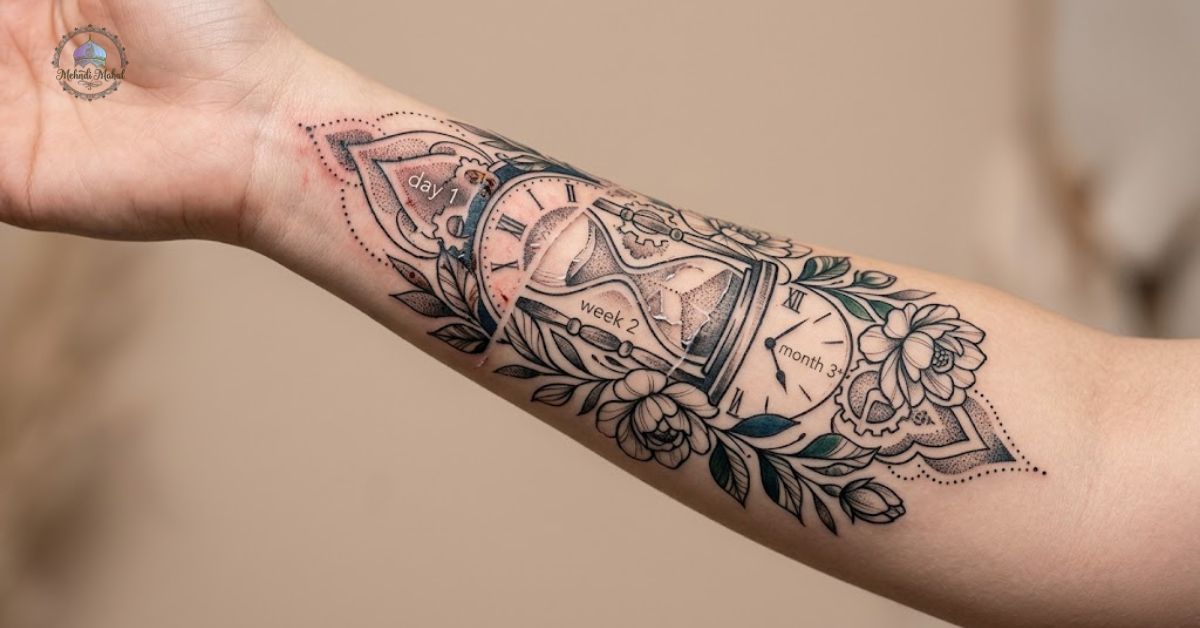
Getting a fresh tattoo is thrilling. But the real work begins the moment you walk out of the studio. Your skin just endured thousands of tiny needle punctures — and now your body needs time to recover. So exactly how long do tattoos take to heal? Most people assume two weeks and move on. The truth runs much deeper. The tattoo healing process happens in multiple layers, each taking its own sweet time.
Your tattoo healing timeline stretches from a few weeks on the surface to several months underneath. Understanding the tattoo healing stages properly helps you protect your ink and avoid costly mistakes during new tattoo aftercare.
How Long Does a Tattoo Take to Heal? (Quick Answer)
The tattoo healing process works in layers. Your outer skin — the epidermis healing layer — takes about 2 to 3 weeks to look and feel normal again. But don’t be fooled. Deep beneath the surface, your skin keeps working for months. Full healing can take anywhere from 3 to 6 months. In some cases, the deep healing up to 2 years is completely normal, especially for large or heavily colored pieces.
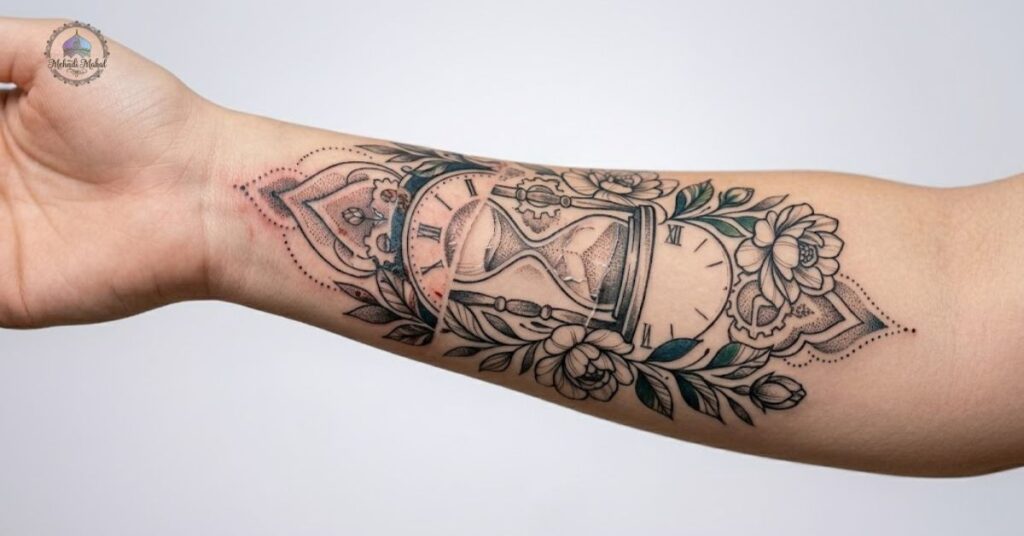
Most people confuse surface healing with complete healing. Just because your tattoo stops peeling doesn’t mean it’s done. The dermis layer tattoo ink sits in is still adjusting, rebuilding, and settling. Think of it like an iceberg — what you see on top is just a fraction of what’s happening underneath. Understanding this two-phase reality helps you protect your investment for years to come.
| Healing Layer | Timeframe |
| Outer skin (epidermis) | 2–3 weeks |
| Middle skin layer | 3–6 months |
| Deep maturation phase | Up to 2 years |
Understanding the Tattoo Healing Process
Here’s what actually happens when you get tattooed. Tattoo needles puncture your skin thousands of times per minute. Each puncture creates a tiny wound in the dermis layer. Your body immediately sends macrophages — specialized immune cells — rushing to the site. These cells can’t break down ink pigment particles because they’re too large. So the pigment stays locked in place permanently. That’s your tattoo.
Your immune system then kicks into full repair mode. It treats your fresh tattoo exactly like any other skin wound healing situation. Tattoo oozing plasma and white blood cells flood the area to fight off bacteria and begin closing each microscopic wound. This response is completely normal. It’s your body doing exactly what it should. The tattoo wound healing process that follows happens in predictable stages — and knowing them makes everything less scary.
The 4 Stages of Tattoo Healing
Stage 1 – Redness, Oozing & Initial Inflammation (Days 1–6)
Right after your session ends, the first 24–48 hours after tattoo are the most intense. You’ll notice tattoo redness and swelling around the entire tattooed area. A tattoo burning sensation is also completely expected — your skin just endured serious trauma. Tattoo ink weeping mixed with plasma may seep through the surface. This looks alarming but it’s actually your body’s natural defense system working perfectly.
During days 3–7 tattoo healing, the oozing gradually slows down. Redness starts calming. However, your skin remains sensitive and tender to the touch. Tattoo skin irritation is normal during this window. Keep the area clean and avoid touching it with unwashed hands. If redness or tattoo oozing plasma continues past day 7, that’s when you should pay closer attention.
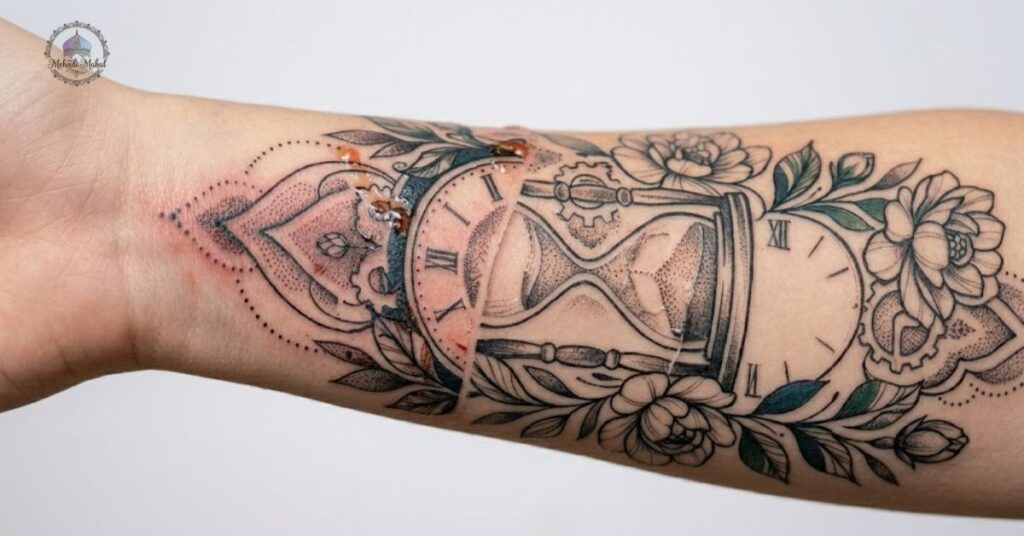
Stage 2 – Itching, Flaking & Scabbing (Days 7–14)
Week 2 tattoo recovery brings a new set of sensations. Tattoo itching and flaking becomes your biggest daily challenge. Thin scabs begin forming over the tattooed area as part of normal tattoo scabbing and peeling. These scabs are protective. They shield the healing ink below from bacteria and environmental damage. Whatever you do — never pick them off. Picking destroys ink and leaves permanent scarring.
Tattoo scabbing is essentially your skin building a natural bandage. The urge to scratch will feel overwhelming at times. Resist it completely. Instead, gently apply a tattoo moisturizer lotion — unscented and alcohol-free — to calm the itch. An ice pack for tattoo itching wrapped in a thin cloth also works beautifully. Patience here protects the final result of your tattoo for decades.
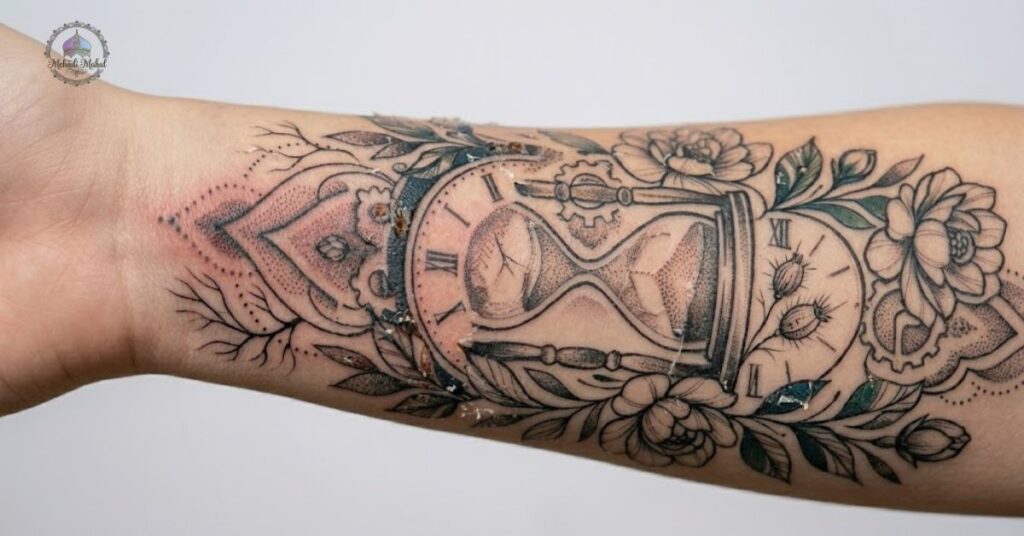
Stage 3 – Peeling & Dull Appearance (Days 15–30)
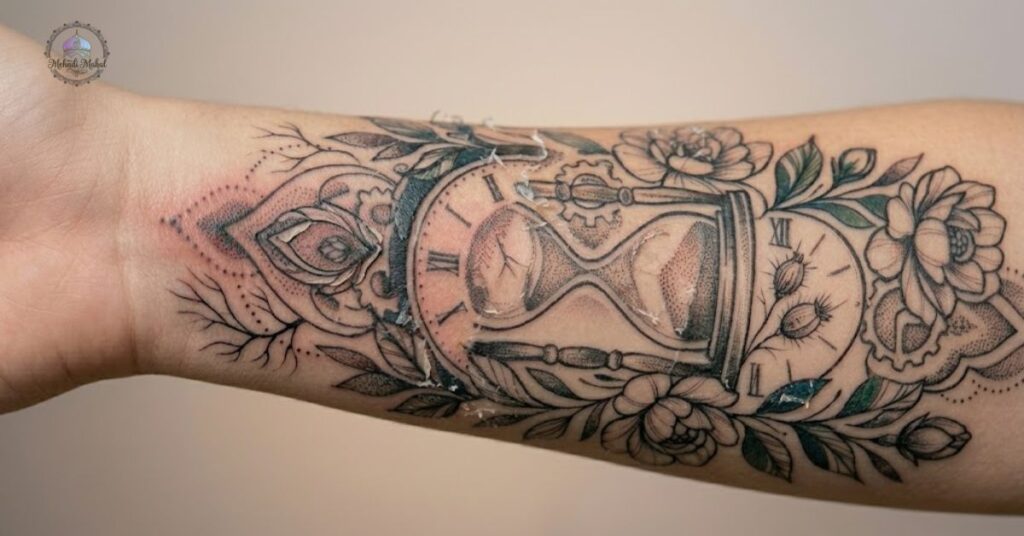
Weeks 3 and 4 healing bring visible peeling. Tattoo peeling skin looks like a bad sunburn shedding. Underneath, you’ll notice a slightly shiny, cellophane-like layer of new skin. Your tattoo will also look surprisingly dull during this stage. Don’t panic. Tattoo ink settling happens gradually as this new layer of skin fully matures and becomes transparent.
This dullness is temporary. The skin healing after tattoo process in this phase involves new skin cells pushing up from below. They’re still young and slightly opaque. Once they fully mature, your tattoo’s colors will pop again with impressive vibrancy. The outer layer heals in 2–3 weeks for most people, though this varies based on skin type, tattoo size, and aftercare quality.
Stage 4 – Final Maturation & Deep Skin Healing (Months 2–6)
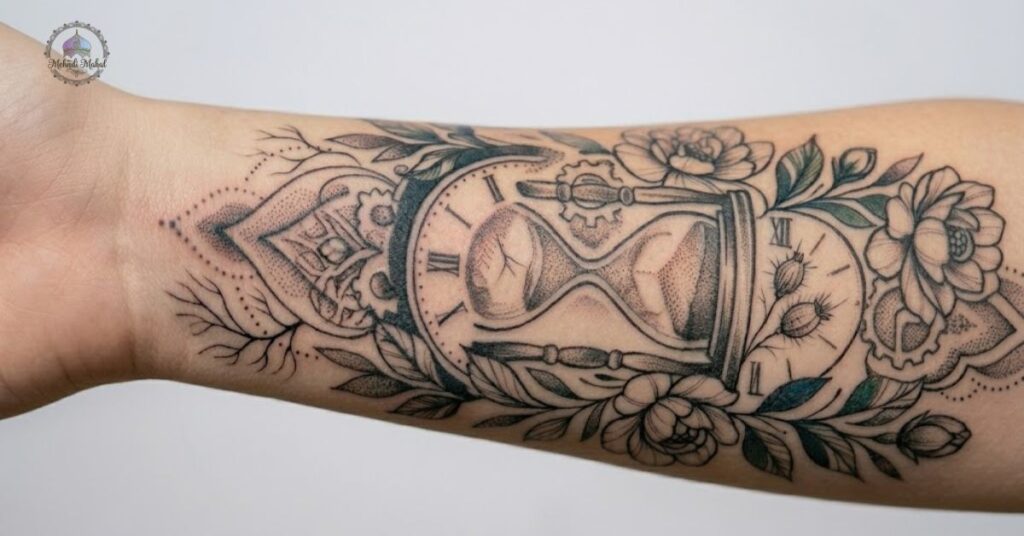
The tattoo maturation phase is the most overlooked part of healing. By month two, your tattoo looks healed on the surface. But deeper layers are still rebuilding. Collagen remodeling tattoo tissue begins around day 21 and continues for months. Old collagen destroyed by the needles gets replaced with fresh, stronger fibers. Cells used for repair get removed through a natural process called apoptosis.
During this phase, your skin may still feel slightly more sensitive than surrounding areas. Warm water in the shower might highlight this lingering sensitivity. That’s completely normal and not a cause for concern. The tattoo healed after 6 months milestone is when most people can truly say their tattoo is 100% settled. Protect it with sunscreen daily and your colors will stay vivid for years.
Complete Tattoo Healing Timeline (Week-by-Week Breakdown)
Understanding the tattoo healing timeline week by week removes all the guesswork. Every person heals at a different pace. Age, health, skin type, and aftercare habits all influence your personal timeline. However, a general roadmap exists that applies to most healthy adults getting tattooed in the USA. Following this guide helps you know exactly what to expect at every stage.
The table below breaks down what’s happening in your skin, what symptoms to expect, and what action to take during each phase of the tattoo healing stages day by day process. Use it as your personal healing reference guide throughout your recovery.
| Timeframe | What Happens | What To Do |
| Hours 1–24 | Redness, oozing, burning | Keep bandage on 4–6 hrs, clean gently |
| Days 2–3 | Plasma continues, inflammation | Clean 3x daily, moisturize carefully |
| Days 4–7 | Peeling begins, itching starts | Apply unscented lotion, avoid scratching |
| Week 2 | Scabbing, flaking, dullness | Moisturize 2x daily, no sun exposure |
| Weeks 3–4 | Surface skin heals, ink brightens | Continue moisturizing, use sunscreen |
| Months 2–6 | Deep healing continues below surface | Sunscreen daily, monitor for issues |
| Months 6–24 | Maturation phase fully completes | Resume normal skincare routine |
How Do You Know When Your Tattoo Is Fully Healed?
Knowing when your tattoo is truly healed comes down to a few clear physical signs. The tattoo healing process wraps up on the surface when redness disappears, peeling stops, and your skin texture returns to normal. Run your finger gently across the tattoo. If it feels smooth — no raised edges, no rough scabs, no tender spots — you’re in great shape. Tattoo ink settling is complete when colors look vivid and consistent across the entire design.
There’s also a simple water test. Step into a warm shower and let water run over the tattooed area. Skin healing after tattoo completion means zero unusual sensitivity under warm water. Healed skin feels identical to the surrounding untattooed skin. If you still feel extra sensitivity or see any lingering dryness, give it more time. Rushing the process never helps. Your body knows its own pace better than any calendar does.
| Healing Sign | What It Means |
| No itching or flaking | Surface healing complete |
| Smooth skin texture | Scabbing phase finished |
| Vibrant ink colors | Tattoo ink fully settled |
| No redness around edges | Inflammation resolved |
| No sensitivity to warm water | Deep healing progressing well |
Factors That Affect Tattoo Healing Time
Several powerful factors determine your personal tattoo healing time. Your immune system is the biggest one. A strong, healthy immune system heals faster and more effectively. Age also plays a role — younger skin regenerates more quickly. Chronic conditions like iron deficiency, diabetes, or autoimmune disorders can significantly slow tattoo wound healing. Even your stress levels matter, since high cortisol weakens immune function.
Tattoo size healing time and placement are equally important. Colored tattoo vs black and gray designs heal differently — colored ink requires more needle passes, creating more trauma. Finger tattoo healing time runs longer because that skin constantly moves and stretches. Large tattoo healing takes more time simply because there’s more surface area for your body to repair. Tattoo placement healing in sensitive zones like the face, inner thigh, or ribs also adds extra days to your timeline.
| Factor | Effect on Healing |
| Small black tattoo | ~2 weeks surface healing |
| Large colored tattoo | 5–6 weeks surface healing |
| Finger or wrist tattoo | Up to 6 weeks |
| Face or lip tattoo | Longer than average |
| Strong immune system | Faster overall healing |
| Chronic illness present | Significantly delayed healing |
| Colored ink used | 1–2 weeks longer than black |
What Can Delay the Tattoo Healing Process?
Lifestyle choices directly impact your tattoo healing process. Alcohol thins your blood and slows the clotting that early healing depends on. Smoking reduces oxygen flow to your skin cells, starving them of the fuel they need to regenerate. Intense stress floods your body with cortisol, which actively suppresses immune function. All three habits dramatically increase tattoo healing delayed situations that frustrate even experienced tattoo collectors.
Aftercare mistakes cause just as many problems. Over-moisturizing can dissolve the protective platelets your skin forms early on. This leads to more severe tattoo scabbing and peeling and even re-opens the wound. Prolonged redness tattoo situations often trace back to sun exposure on unhealed skin. Tattoo healing complications like infections almost always stem from preventable mistakes — dirty hands touching the tattoo, swimming too soon, or wearing tight clothing that rubs the healing area raw.
| Delay Cause | Why It’s Harmful |
| Alcohol consumption | Thins blood, slows clotting |
| Smoking | Reduces oxygen to skin cells |
| Swimming too early | Introduces bacteria and chlorine |
| Picking scabs | Removes ink, causes scarring |
| Sun exposure | Burns healing skin, fades ink |
| Tight clothing | Creates friction and irritation |
| Over-moisturizing | Dissolves protective platelets |
Critical Tattoo Aftercare Steps (Day-by-Day Guide)
How to Clean a New Tattoo
Proper cleaning is the foundation of new tattoo aftercare. Wash tattoo with warm water — never hot — and use an unscented soap for tattoos like Dr. Bronner’s Baby Soap or Dial Liquid Hand Soap. Gently lather the area with clean fingertips for about 30 seconds. Then rinse thoroughly and pat dry with a fresh paper towel. Never use a reusable cloth towel — they harbor bacteria that can trigger tattoo infection signs.
Clean your tattoo at least 2 to 3 times daily for the first two weeks. Morning, midday, and before bed works well for most people. After cleaning, always apply unscented lotion in a thin layer. Don’t glob it on. A little goes a long way. The goal is to keep skin moist — not suffocated. Prevent tattoo infection by keeping the area clean, dry between applications, and away from dirty surfaces.
How Often Should You Moisturize a New Tattoo?
Moisturize healing skin starting around the 24-hour mark — not immediately after getting tattooed. Your skin needs a brief window to begin its natural drying process first. From day two onward, clean and moisturize tattoo at least twice daily. Some people find three times daily works better, especially in dry climates or winter months when skin dries out faster than usual.
Use a tattoo moisturizer lotion that’s fragrance-free and alcohol-free. Popular USA choices include Lubriderm, Aveeno, or dedicated tattoo balms like Hustle Butter. Apply only a thin layer — enough to keep skin supple, not shiny or greasy. Moisturize healing skin consistently through weeks three and four even after peeling stops. Deep layers still benefit from surface hydration long after the visible healing appears complete.
What to Avoid After Getting a Tattoo
Avoid sun exposure completely for the first three to four weeks. UV rays damage healing skin cells and cause ink to fade prematurely. After healing, always apply sunscreen for tattoo areas — SPF 50 or higher works best. Remove tattoo bandage only after the recommended time your artist specifies — usually 4 to 24 hours depending on whether Saniderm bandage application was used.
Loose cotton clothing tattoo coverage protects the area from friction, bacteria, and accidental scratching during sleep. Skip the gym for at least 48 to 72 hours. Sweat irritates fresh wounds and stretches skin in ways that distort healing ink. Stay out of pools, oceans, lakes, and hot tubs for a minimum of three weeks. Even bath soaking should be avoided — showers only until fully healed.
How to Speed Up Tattoo Healing Naturally
Nutrition plays a massive role in how to heal a tattoo faster. Vitamin C boosts collagen production — exactly what your skin needs during collagen remodeling tattoo tissue repair. Zinc-rich foods like pumpkin seeds and lean meats accelerate skin cell regeneration. Staying hydrated keeps skin supple and helps cells communicate and repair more efficiently. Aim for at least eight glasses of water daily throughout your tattoo healing weeks.
Sleep is your most powerful free healing tool. Your immune system does its most intensive repair work while you sleep. Seven to nine hours of quality sleep nightly accelerates every phase of the tattoo healing timeline. Avoid alcohol, reduce stress, and skip intense exercise for the first week. Wear loose cotton clothing tattoo protection to bed so fabric doesn’t stick to healing skin overnight. Small lifestyle adjustments create dramatically faster, cleaner results.
| Natural Tip | Why It Works |
| Drink 8+ glasses water daily | Hydrated skin heals faster |
| Eat zinc-rich foods | Boosts skin cell regeneration |
| Sleep 7–9 hours nightly | Immune system repairs overnight |
| Take Vitamin C daily | Promotes collagen rebuilding |
| Avoid alcohol completely | Prevents blood thinning |
| Manage stress levels | Keeps immune system strong |
| Eat clean, nutrient-dense food | Fuels overall healing energy |
Common Tattoo Healing Complications to Watch For
Most tattoos heal without drama. But complications do happen — especially when aftercare gets neglected. Tattoo infection signs include excessive redness that worsens after day five, swelling that spreads beyond the tattoo outline, and discharge that turns yellow or green. Infected tattoo symptoms sometimes include fever, chills, or swollen lymph nodes near the tattooed area. These symptoms demand medical attention — not more moisturizer.
Tattoo allergic reaction is another complication worth knowing about. Red ink pigments cause the most allergic responses, though any color can trigger a reaction in sensitive individuals. Symptoms include raised bumps, persistent hives, or a rash spreading outward from the tattoo. Tattoo scarring risk increases dramatically when scabs get picked repeatedly. Immune disorder tattoo healing situations require extra caution and often a doctor’s clearance before getting tattooed at all.
| Complication | Symptoms | Action Required |
| Bacterial infection | Green/yellow pus, fever | See a doctor immediately |
| Allergic reaction | Hives, spreading rash | Antihistamines + doctor visit |
| Keloid scarring | Raised, thick scar tissue | Dermatologist consultation |
| Prolonged redness | Redness past day 7 | Monitor closely, see doctor |
| Over-moisturizing | Re-opened wound, excess weeping | Reduce lotion application |
link:Understanding the Complete Tattoo Healing Timeline
Professional Care & When to Seek Medical Attention
Knowing when to see a doctor separates smart tattoo owners from those who end up with serious skin infections. If infected tattoo symptoms like spreading redness, pus, or fever appear — don’t wait. Head to a doctor, not back to your tattoo artist. Artists are skilled at tattooing, not treating infections. Tattoo healing complications that involve bacterial infection require prescription antibiotics to resolve safely and completely.
Doctors typically prescribe oral antibiotics for confirmed bacterial infections. Tattoo allergic reaction cases may call for antihistamines or topical steroid creams to reduce inflammation. Severe reactions occasionally require emergency care. Always be honest with your doctor about the tattoo’s age, aftercare routine, and any products used on the skin. Early intervention prevents minor complications from becoming permanent skin damage or disfigurement.
Frequently Asked Questions (FAQs)
How long for a tattoo to heal before swimming?
Wait a minimum of 3 to 4 weeks before swimming in any body of water. Pools contain chlorine that aggressively irritates tattoo wound healing tissue. Oceans, lakes, and rivers carry natural bacteria that can trigger serious tattoo infection signs in open or healing skin. Hot tubs are the worst offenders — the combination of heat, chemicals, and bacteria creates a perfect storm for infection. Even after surface healing, be cautious and apply waterproof sunscreen before any water exposure.
How long do tattoos take to heal with second skin?
Saniderm bandage application — commonly called second skin — speeds up the early tattoo healing stages noticeably. Your artist applies it immediately after the session. It stays on for 8 to 24 hours initially, collecting lymph fluid as it builds up. Second skin dramatically reduces tattoo scabbing and peeling because it creates a moist healing environment that protects the skin from air and bacteria. Many artists now consider it the gold standard in modern tattoo aftercare across the USA.
How long for a tattoo to heal before showering?
You can shower within the first 24–48 hours after tattoo — but carefully. If your artist applied a regular bandage, shower with it on during the first 4 to 6 hours. After remove tattoo bandage, keep showers brief and use only lukewarm water. Never aim direct water pressure at the fresh tattoo. Wash tattoo with warm water gently using your fingertips only. Avoid steam rooms and long hot showers — heat increases inflammation and slows the early tattoo healing process.
Tattoo healing stages pictures
Visual references help enormously during healing. Tattoo healing stages day by day photos show the dramatic difference between day one’s redness and day 14’s peeling. Comparing your tattoo to reference images helps you identify whether your healing looks normal or concerning. Look for images showing tattoo scabbing, tattoo peeling skin, and the shiny cellophane-like appearance of week 2 tattoo recovery. Reputable tattoo blogs and dermatology websites offer accurate visual guides worth bookmarking.
How long for a tattoo to heal before working out?
Wait at least 48 to 72 hours before any exercise after getting tattooed. Sweat introduces salt and bacteria directly onto your healing tattoo wound healing site. High-intensity workouts also stretch skin repeatedly — this distorts healing ink and stresses the wound. Large tattoo healing areas are especially vulnerable to gym-related complications. After the first week, light cardio may be acceptable, but avoid anything that makes the tattooed skin stretch significantly for at least three full weeks.
How long for a tattoo to heal before sun exposure?
Avoid sun exposure on your fresh tattoo for a minimum of 3 to 4 weeks. UV rays are devastating to healing skin — they cause tattoo peeling skin to worsen, accelerate ink fading, and increase infection risk. Once healed, the sunscreen for tattoo rule applies permanently. Use SPF 50+ on any tattooed skin exposed to sunlight. This single habit preserves ink vibrancy for decades. Tattoo color healing longer applies especially to sun-exposed areas — colored tattoos fade significantly faster without consistent sun protection.
How long do small tattoos take to heal?
Small tattoos generally complete surface healing within 2 weeks. Tattoo size healing time scales directly with the amount of skin trauma involved. A tiny wrist symbol heals much faster than a detailed half-sleeve. However, even small tattoos go through the full tattoo maturation phase beneath the surface — meaning deep healing still takes 2 to 3 months minimum. Don’t let the small size fool you into skipping aftercare. Neglected small tattoos develop infections and fading just as easily as large ones.
Tattoo healing stages day by day
Each day of the tattoo healing timeline brings visible changes. Day one brings peak redness and tattoo oozing plasma. Days two through four see inflammation begin calming. Tattoo itching and flaking begins around day five to seven. Tattoo scabbing peaks in week two. Peeling dominates weeks two through three. By week four, surface healing nears completion. Weeks 3 and 4 healing mark the transition into the deeper, invisible phase of recovery that continues for months beneath perfectly normal-looking skin.
Final Thoughts on Tattoo Healing
Understanding how long do tattoos take to heal empowers you to protect your art and your skin properly. The surface heals in 2 to 3 weeks. The deep layers take up to 6 months. The full tattoo maturation phase can quietly continue for up to two years. Every stage matters. Every aftercare decision either supports or sabotages the final result. Your tattoo is a lifelong investment — treat the healing process with the same seriousness you gave to choosing the design itself.
The best advice is simple: clean and moisturize tattoo daily, avoid sun exposure religiously, stay out of water for three weeks, and listen to your body throughout the tattoo healing process. If something looks or feels wrong, see a doctor promptly. Don’t guess. Don’t rely on internet forums alone. A well-healed tattoo looks better, stays vibrant longer, and carries your story beautifully for the rest of your life. Take care of your skin — and it will take care of your ink.