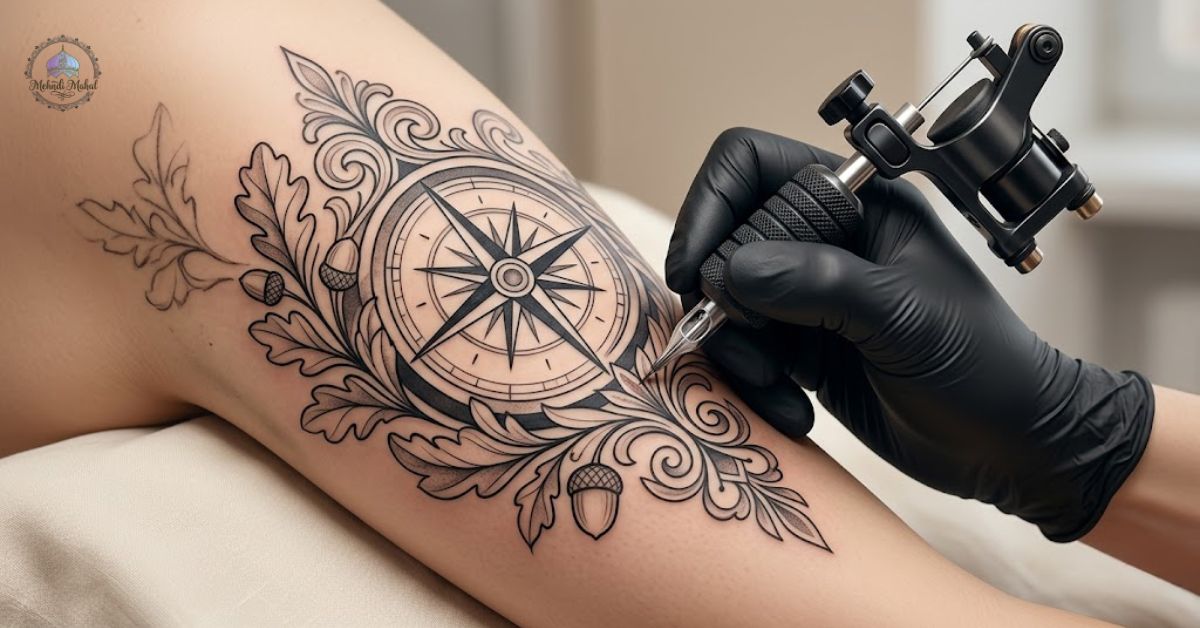
Getting a tattoo is one thing. Keeping it sharp and vibrant is another story entirely. Over time, even the best ink starts showing wear — colors dull, lines soften, and patches appear. That’s where a tattoo touch up comes in. It’s not a sign something went wrong. It’s simply smart tattoo maintenance. Whether you’re dealing with tattoo fading after years of sun exposure or noticing uneven color right after healing, a touch-up session can restore your ink to its original glory.
This guide walks you through everything — timing, cost, healing, and the best tattoo aftercare habits to keep your artwork looking flawless for years to come.
What Is a Tattoo Touch Up?
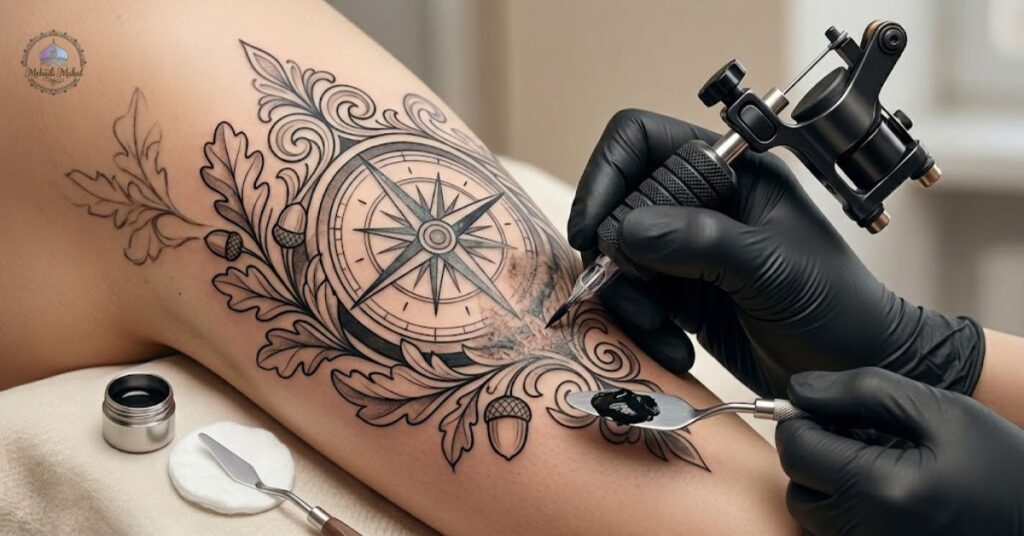
A tattoo touch up is a follow-up session with your artist. They go over the existing tattoo to fix faded areas, sharpen lines, or correct uneven color. It’s not a full redo. Think of it like a tune-up for your car — small fixes that keep everything running smoothly. Most tattoos benefit from at least one touch-up during their lifetime, and that’s completely normal.
The tattoo healing process plays a big role here. Sometimes ink doesn’t settle evenly under the skin. Certain areas may heal lighter or patchier than others. A touch-up targets exactly those spots. It’s a short session compared to the original tattoo session, and most people find it far less painful too.
| Touch-Up Feature | Details |
| Session Length | 30 mins – 2 hours |
| Pain Level | Lower than original |
| Purpose | Fix fading, lines, color |
| Done By | Licensed tattoo artist |
Touch Up vs. Tattoo Refresh — What’s the Difference?
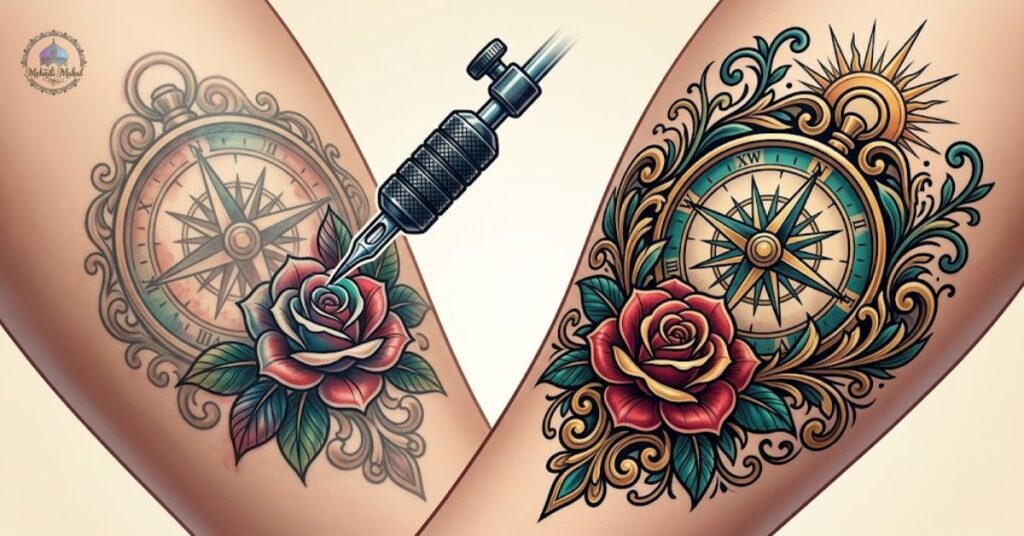
Many people confuse a touch-up with a tattoo refresh. They’re not the same thing. A tattoo touch-up targets small, specific areas — a faded patch here, a blurry line there. A refresh, on the other hand, involves reworking a larger portion of the tattoo. Sometimes it means redesigning whole sections. It’s a bigger commitment in terms of time and money.
Tattoo color restoration is often the goal of a refresh, especially on older pieces. If your tattoo is five or ten years old and looks completely washed out, a refresh might serve you better than a basic touch-up. Your tattoo artist consultation will help you figure out which route makes more sense for your specific piece.
| Factor | Touch-Up | Tattoo Refresh |
| Scope | Small fixes | Large-scale rework |
| Session Time | Short | Long |
| Cost | Lower | Higher |
| Ideal For | Recent fading | Heavily aged tattoos |
Signs Your Tattoo Needs a Touch-Up
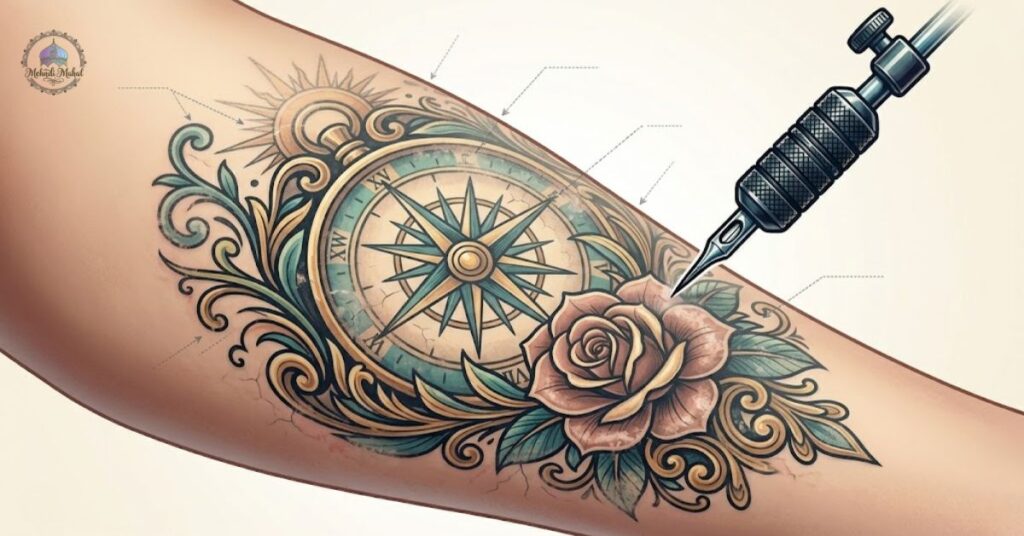
Knowing how do I know if my tattoo needs a touch-up saves you from waiting too long. The most obvious sign is visible fading. If your tattoo looks noticeably lighter than it did after healing, that’s your first clue. Blurry or spreading lines are another red flag. Tattoo imperfections like patchy color or uneven saturation also signal it’s time to book a session.
Look at your tattoo in natural daylight. Compare it to photos taken right after it healed. If there’s a clear difference — duller colors, softer edges, or missing detail — your tattoo is telling you something. Signs tattoo needs touch-up are easy to spot once you know what to look for. Don’t ignore them. The sooner you act, the easier the fix.
| Sign | What It Means |
| Faded color | Ink has broken down |
| Blurry lines | Ink migration occurred |
| Patchy areas | Uneven ink absorption |
| Dull overall look | UV damage or dry skin |
| Missing fine detail | Natural ink loss over time |
What Causes a Tattoo to Fade Over Time?
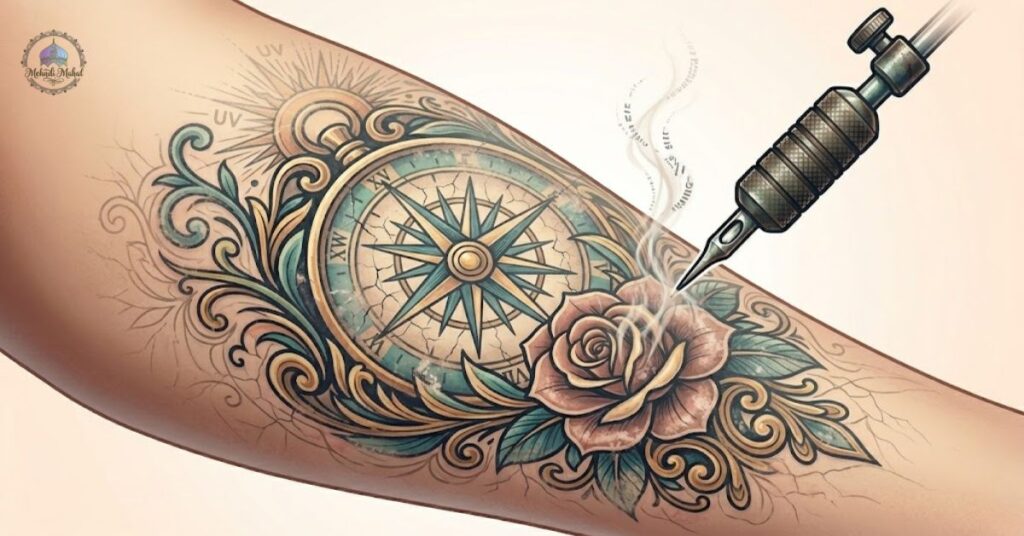
Tattoo fading is inevitable. Every tattoo fades eventually — that’s just biology. But some tattoos fade much faster than others. Sun exposure and tattoos are the most dangerous combination. UV rays break down tattoo ink under the skin, causing colors to dull and lines to soften over time. Without proper tattoo sunscreen protection, even a fresh tattoo can start fading within months.
Tattoo fading causes go beyond just the sun. Poor tattoo aftercare in the early healing stage can set your tattoo up for premature fading. Tattoo placement fading is also real — areas like hands, feet, and fingers fade faster due to constant friction and skin cell turnover. Tattoo skin type matters too. Oily skin tends to push ink out faster. Dry skin lacks the moisture to keep colors vibrant long-term.
| Fading Cause | Impact Level |
| UV / Sun Exposure | ⭐⭐⭐⭐⭐ Very High |
| Poor Aftercare | ⭐⭐⭐⭐ High |
| Tattoo Placement | ⭐⭐⭐⭐ High |
| Skin Type | ⭐⭐⭐ Medium |
| Ink Color Used | ⭐⭐⭐ Medium |
| Age & Metabolism | ⭐⭐ Low–Medium |
When Is the Right Time to Get a Tattoo Touch-Up?
Timing matters more than most people realize. When to get tattoo touch-up depends on one non-negotiable rule — the tattoo must be fully healed first. No exceptions. Jumping in too early causes more harm than good. Most artists recommend waiting at least 3 to 6 months after the original session before even considering a touch-up. By then, the tattoo healing process is truly complete and you can accurately assess what needs fixing.
The ideal window for a first touch-up is between 6 and 12 months after getting inked. Within this period, tattoo imperfections from healing are visible but the skin is still in great condition to hold new ink. After several years, tattoo color fading and softened lines become the main reasons people return to their artist. Either way — always get a tattoo artist consultation before booking anything.
| Tattoo Age | Touch-Up Recommended? |
| 0–3 Months | No — still healing |
| 3–6 Months | Maybe — only if fully healed |
| 6–12 Months | Yes — ideal window |
| 1–5 Years | Yes — if fading is visible |
| 5+ Years | Yes — full color and line refresh |
How Soon Can You Get a Tattoo Touched Up After the First Session?
How soon can you get a tattoo touched up is one of the most searched questions in the tattoo community. The short answer — wait at least 6 to 8 weeks minimum. But that’s the absolute floor, not the goal. Your skin goes through three distinct healing stages after a tattoo session: the initial inflammation phase, the peeling phase, and the deep dermal healing phase. Rushing a touch-up interrupts that third stage, which is the most critical one.
Different body parts heal at different speeds. Hands and feet take the longest because of constant movement and friction. Ribs and chest areas need extra time due to skin elasticity. Tattoo placement fading often starts in these high-movement zones. Your artist will assess your skin’s readiness before picking up the needle again. Never pressure an artist to touch up before they feel the skin is ready.
| Body Area | Minimum Wait Time |
| Arms / Legs | 6–8 Weeks |
| Ribs / Chest | 8–10 Weeks |
| Hands / Feet | 10–12 Weeks |
| Face / Neck | 8–12 Weeks |
What Happens if You Touch Up a Tattoo Too Soon?
What happens if you touch up a tattoo too soon — the answer isn’t pretty. Going in before the skin is ready creates serious problems. The needle re-traumatizes skin that’s still healing underneath. This leads to scarring, ink blowouts, and distorted lines. Tattoo re-inking on unhealed skin pushes pigment into the wrong layers, creating muddy or uneven results that are harder to fix later.
Infection risk also jumps significantly. Open or semi-healed skin is vulnerable. Introducing fresh needle punctures too early creates an entry point for bacteria. In worst-case scenarios, premature touch-ups can permanently damage the tattoo. The tattoo healing process needs to complete fully — there are no shortcuts worth taking when your artwork is on the line.
| Risk | Consequence |
| Skin trauma | Scarring and blowouts |
| Ink rejection | Patchy, uneven pigment |
| Infection | Bacterial entry through open skin |
| Color distortion | Muddy, unclear results |
| Extended healing | Longer, harder recovery |
How Often Do Tattoos Need Touch-Ups?
How often do tattoos need touch-ups depends on style, placement, and lifestyle. Bold traditional tattoos can go 5 to 10 years without needing much attention. Fine line tattoos, however, may need a touch-up every 2 to 3 years. Watercolor tattoos are the most high-maintenance — they can start fading within a year or two without proper tattoo care routine and sun protection.
Tattoo maintenance isn’t just about going back to the studio. How you treat your skin daily determines how often you’ll need professional help. People who moisturize consistently, apply SPF daily, and stay hydrated tend to stretch out the time between touch-ups significantly. How to maintain tattoo vibrancy comes down to daily habits as much as it does periodic studio visits.
| Tattoo Style | Touch-Up Frequency |
| Fine Line | Every 2–3 Years |
| Traditional / Bold | Every 5–10 Years |
| Watercolor | Every 1–2 Years |
| Blackwork | Every 5–7 Years |
| Color Realism | Every 2–4 Years |
How Many Times Can You Touch Up a Tattoo?
How many times can a tattoo be touched up is a question that doesn’t have one clean answer. Technically, there’s no strict limit — but your skin has one. Each touch-up session adds trauma to the same area. Over time, repeated needle work builds up scar tissue beneath the surface. That scar tissue affects how well new ink holds. At some point, the skin simply can’t absorb more ink effectively.
Most experienced artists recommend spacing touch-ups thoughtfully. Push too many sessions into the same area over a short time and you risk skin saturation. Signs of over-touched skin include raised texture, ink that won’t hold, and blurry results no matter how careful the artist is. When that happens, taking a long break — sometimes 12 months or more — lets the skin recover before another tattoo session is attempted.
The Tattoo Touch-Up Process — Step by Step
The tattoo touch-up process step by step is simpler than the original session but still requires preparation. First comes the consultation. Your artist examines the tattoo closely, identifies problem areas, and discusses your expectations. They’ll also ask about your aftercare habits, lifestyle, and sun exposure — all of which affect how the touch-up will perform. This step is critical and shouldn’t be skipped.
On the day of the session, the artist cleans and preps the skin thoroughly. They re-ink the targeted areas using precise, controlled strokes. For tattoo lines sharpening, they trace over softened edges with fresh ink. For color work, they layer new pigment over faded sections to rebuild saturation. Once done, they walk you through aftercare instructions. Following those instructions is just as important as the session itself.
| Step | What Happens |
| 1. Consultation | Identify problem areas and discuss goals |
| 2. Skin Assessment | Evaluate healing and skin condition |
| 3. Design Review | Confirm which areas need ink work |
| 4. Cleaning | Area sanitized and prepped |
| 5. Re-Inking | Artist layers fresh ink over faded sections |
| 6. Aftercare Brief | Post-session care instructions given |
How Long Does It Take for a Touch-Up to Heal?
Touch-ups heal faster than original tattoos in most cases. Since less surface area is covered and the skin has already been through the process once, recovery is typically quicker. Surface healing usually wraps up within 2 to 3 weeks. However, deep dermal healing — where the ink fully settles — takes 4 to 8 weeks. You can’t accurately judge touch-up results until that deep healing completes.
Proper tattoo aftercare routine during this period makes a major difference. Keep the area clean, moisturized, and shielded from the sun. Avoid soaking in pools or hot tubs. Don’t pick at peeling skin — ever. The tattoo healing aftercare kit you use in those first few weeks directly impacts how well the ink settles and how long the results last.
| Healing Stage | Timeline | What’s Happening |
| Initial Redness | Days 1–3 | Inflammation and soreness |
| Peeling Begins | Days 4–7 | Dead skin shedding |
| Surface Healed | Weeks 2–3 | Skin looks settled |
| Deep Heal | Weeks 4–8 | Ink fully settles in dermis |
| Final Assessment | Week 8+ | Judge touch-up results accurately |
How Much Does a Tattoo Touch-Up Cost?
How much does a tattoo touch-up cost varies widely across the USA. Small touch-ups at reputable studios typically run between $50 and $100. Medium-sized corrections land in the $100 to $200 range. Complex color corrections or large-area work can push $500 or beyond. Tattoo studio pricing depends on the artist’s experience level, studio location, and the complexity of the work needed.
Tattoo touch-up pricing policy differs from studio to studio. Many reputable artists offer one complimentary touch-up within the first 3 to 6 months after the original session. This is common practice in the USA tattoo industry. However, that free window usually comes with conditions — proper aftercare must have been followed. Always ask about the studio’s touch-up policy before your first appointment, not after.
| Touch-Up Type | USA Cost Range |
| Small Touch-Up | $50 – $100 |
| Medium Touch-Up | $100 – $200 |
| Large / Complex | $200 – $500+ |
| Color Correction | $150 – $400+ |
| Free Touch-Up Policy | Within 3–6 months (select studios) |
Can You Prevent the Need for a Touch-Up?
How to prevent tattoo fading starts the moment you leave the studio. Sun protection is non-negotiable. UV rays tattoo damage is the single biggest enemy of long-lasting ink. Apply a broad-spectrum SPF 30 or higher every single day — even in winter. Even on cloudy days. UV rays penetrate clouds and glass, and consistent exposure accelerates tattoo pigment breakdown faster than almost anything else.
Beyond sun care, lifestyle habits play a huge role. Staying well-hydrated keeps skin supple and helps ink stay vivid. Avoiding tanning beds is essential — they’re one of the fastest ways to destroy tattoo ink. Limiting chlorine exposure from pools also helps. People who build a solid tattoo care routine into their daily life consistently report needing far fewer touch-ups over the years.
| Prevention Action | Benefit |
| Daily SPF Application | Slows UV-related fading |
| Regular Moisturizing | Keeps ink vibrant |
| Avoid Tanning Beds | Prevents accelerated fading |
| Stay Hydrated | Healthy skin holds ink longer |
| Limit Pool / Chlorine Exposure | Protects pigment integrity |
| Wear Protective Clothing | Shields tattoo from direct UV |
Best Aftercare Tips to Maintain Your Tattoo
Proper tattoo aftercare routine begins in the first 24 hours and never truly ends. In the early days, wash the tattoo gently with fragrance-free soap and lukewarm water. Pat it dry — never rub. Apply a thin layer of healing balm to keep the skin moisturized without suffocating it. Avoid tight clothing over the area. Keep it out of direct sunlight completely during those first critical weeks.
Long-term tattoo maintenance is where most people fall short. Once the tattoo heals, daily moisturizing becomes the cornerstone habit. Skin hydration tattoo care keeps the skin elastic and the ink from looking flat. Tattoo moisturizing with a dedicated lotion every morning — especially after showering — dramatically extends the vibrancy of your artwork. Pair that with daily SPF and you’ve built a routine that protects your investment.
| Aftercare Phase | Routine |
| Days 1–3 | Gentle wash, fragrance-free soap, pat dry |
| Days 4–14 | Apply healing balm, avoid sun and water |
| Weeks 2–4 | Moisturize twice daily, don’t pick skin |
| Long-Term | Daily SPF + quality tattoo lotion every day |
Why Quality Aftercare Products Make a Difference
Quality tattoo lotion benefits go far beyond basic hydration. Dedicated tattoo aftercare products contain ingredients specifically chosen to support skin repair and ink preservation. Ingredients like shea butter, coconut oil, and vitamin E nourish the skin deeply. They help maintain elasticity and keep the dermis — the layer where tattoo ink lives — healthy and receptive. Best aftercare products for tattoos are never generic drugstore moisturizers loaded with alcohol and synthetic fragrances.
The wrong products can actively damage your tattoo. Alcohol-based creams dry out the skin rapidly, causing premature tattoo color fading. Petroleum-based products used long-term can clog pores and affect how well the skin breathes around the ink. Tattoo artwork preservation depends on choosing products formulated for tattooed skin — not just whatever’s cheapest on the shelf. Invest in quality aftercare and your tattoo will thank you for years.
| Product Type | Good for Tattoos? |
| Fragrance-Free Lotion | ✅ Yes |
| Dedicated Tattoo Balm | ✅ Best Option |
| Petroleum Jelly | ⚠️ Limited Use Only |
| Alcohol-Based Cream | ❌ No |
| Baby Lotion | ⚠️ Okay Short-Term Only |
link:Touch-Ups vs. Tattoo Refreshes
Frequently Asked Questions About Tattoo Touch-Ups
This section answers the most common questions people across the USA search when thinking about tattoo touch-up sessions. These answers are based on widely accepted industry standards and real artist experience.
How Long Should You Wait to Touch Up a Tattoo?
Wait a minimum of 6 to 8 weeks after the tattoo is fully healed before considering a touch-up. Most artists prefer 3 to 6 months. How long to wait before touch-up depends on your healing speed, placement, and how well you followed aftercare instructions. Waiting longer gives you a clearer picture of what actually needs fixing. Rushing this decision almost always leads to worse results and unnecessary skin trauma.
Do Tattoo Artists Do Touch-Ups for Free?
Many studios in the USA offer one complimentary tattoo touch-up within the first 3 to 6 months. However, free touch-ups usually come with conditions. The artist will ask whether you followed proper aftercare. If fading happened due to neglect or sun exposure, the free policy may not apply. Always have a clear conversation about tattoo touch-up pricing policy before your original session — not after you notice the fading.
How to Tell if a Tattoo Needs a Touch-Up?
Look for visible fading, patchy color, or blurry lines. Compare your tattoo today against photos taken right after it healed. If the difference is striking — less saturation, softer edges, missing detail — it likely needs attention. Signs tattoo needs touch-up are clearest in natural daylight. When unsure, book a tattoo artist consultation. Most artists will assess the piece for free and give you an honest recommendation.
Can I Get a Tattoo While on Doxycycline?
This is an important question that goes beyond just touch-ups. Doxycycline is an antibiotic that significantly increases photosensitivity — meaning your skin burns and reacts far more intensely to UV light. Getting tattooed while on this medication raises the risk of abnormal healing, unusual skin reactions, and poor ink retention. Always consult your doctor or dermatologist before booking any tattoo session while on prescription antibiotics. Your health comes before your ink — always.
Conclusion
A tattoo touch-up is one of the most practical things you can do to protect your investment. Ink fades. Lines soften. Colors lose their punch. That’s just the nature of tattooing. But with the right timing, the right artist, and a solid tattoo care routine, you can keep your artwork looking incredible for decades.
The foundation of tattoo longevity is simple — protect it from the sun, moisturize daily, and never skip aftercare. When a touch-up is needed, don’t wait too long. Book that tattoo artist consultation, discuss your options, and trust the process. Your tattoo is a piece of art worth maintaining.
| Key Topic | Main Takeaway |
| Timing | Wait until fully healed — minimum 6–8 weeks |
| Cost | $50 – $500+ depending on size and complexity |
| Prevention | SPF + daily moisture = longer-lasting ink |
| Frequency | Depends on style, placement, and lifestyle |
| Aftercare | Quality products make a real, lasting difference |