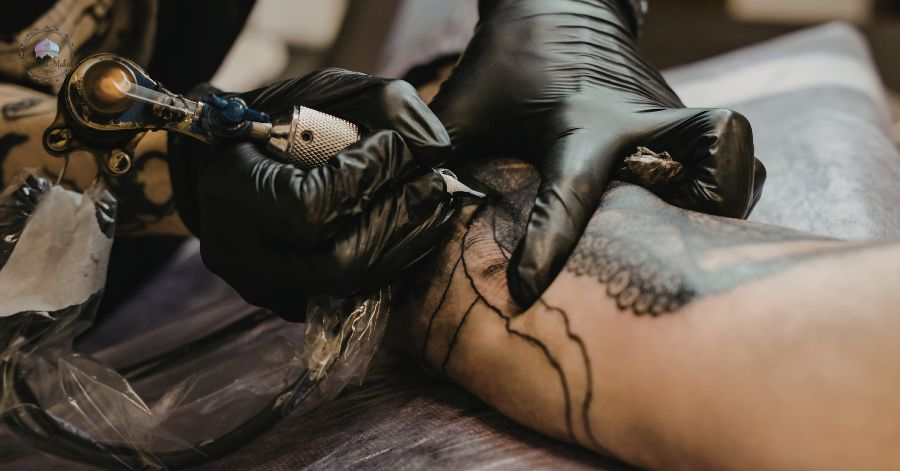
Every year, thousands of Americans face a deeply personal crossroads after breast reconstruction surgery or gender-affirming top surgery. The physical healing completes — but something still feels missing. That’s exactly where tattoo NiP steps in. A medical tattoo procedure rooted in both artistry and empathy, nipple tattooing restores what surgery alone can’t fully recreate. It rebuilds confidence. It reclaims identity.
It delivers areola restoration with breathtaking realism that feels — and looks — completely natural. Whether you’re a post-mastectomy tattoo candidate or exploring cosmetic options, this complete guide walks you through everything you need to know about tattoo NiP from start to finish.
What Is Nipple Tattooing (NiP)?
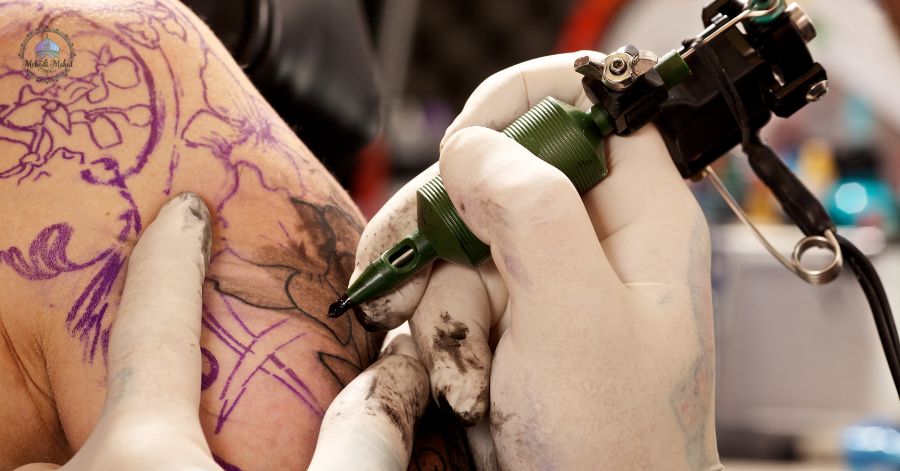
Nipple tattooing is far more than a cosmetic procedure. It’s a deeply personal, restorative experience. At its core, tattoo NiP involves placing specialized pigment into the breast area to recreate the realistic appearance of the nipple-areolar complex. Think of it as the final brushstroke on a painting — the detail that makes everything feel complete. Surgeons rebuild the breast. Artists restore the soul of it. This medical tattoo procedure bridges the gap between clinical reconstruction and natural-looking beauty.
Unlike standard decorative tattoos, areola tattooing demands a unique combination of artistic skill and anatomical understanding. The artist must study your natural skin tone, the shape of your existing breast, and the symmetry of your body. Traditional tattoo inks are now preferred over older iron oxide pigments and titanium dioxide pigments once used by physicians. Why? Because traditional inks carry smaller molecules, offer a richer tonal range, and last significantly longer. The result feels — and looks — remarkably real.
| Feature | Traditional Tattoo | Nipple Tattoo (NiP) |
| Purpose | Decorative | Restorative / Medical |
| Ink Type | Traditional inks | Medical-grade pigments |
| Sessions | 1–3 | 2–3 (90 min each) |
| Insurance Coverage | Not covered | May be covered (WHCRA) |
| Pain Level | Moderate | Minimal (surgical site) |
Who Is a Candidate for Nipple Tattooing?
More people qualify for tattoo NiP than you might expect. The most common candidates are breast cancer survivors who’ve undergone mastectomy and breast reconstruction surgery. After losing their nipples to breast cancer surgery, many women feel that reconstruction alone doesn’t fully restore their sense of self. A post-mastectomy tattoo fills that void beautifully. It’s non-surgical, low-risk, and emotionally transformative. Even patients who’ve completed radiation therapy can qualify — though doctors typically recommend waiting three to five months for the skin to fully recover its resilience.
Beyond breast cancer survivors, the list of ideal candidates grows wider. Transgender individuals seeking areola symmetry correction after gender-affirming top surgery find tattoo NiP to be an essential finishing step. It helps align their physical appearance with their authentic identity. People born with asymmetrical or discolored areolas also benefit enormously from this cosmetic tattoo treatment. If you’re wondering, am I a candidate for nipple tattoo? — the honest answer is: if you have a healed surgical site, realistic expectations, and a desire to feel whole again, you likely are.
| Candidate Type | Reason for Tattoo NiP |
| Breast Cancer Survivors | Restore appearance post-mastectomy |
| Transgender Individuals | Align appearance with gender identity |
| Asymmetry Correction | Balance and color correction |
| Post-Radiation Patients | After 3–5 month healing wait |
| Cosmetic Patients | Personal aesthetic enhancement |
How Is Nipple Tattooing Performed?
The tattoo NiP process is methodical, artistic, and deeply personal. It typically spans two to three sessions, each lasting around 90 minutes. Your first appointment starts with a thorough consultation. The artist assesses your skin tone, discusses your expectations, and designs a stencil that matches your natural anatomy. Then comes color matching — an art form in itself. Getting the shade exactly right is what separates an average result from a breathtaking one. Scar revision tattooing techniques may also be employed to minimize the visibility of surgical scars before pigment work begins.
During the actual procedure, the artist uses specialized tattooing equipment — not standard machines. The needling process is deliberate and precise. Techniques like camouflage tattooing and the pointillism technique are layered together to create depth and realism. If needed, topical anesthetics are applied beforehand to manage any discomfort. Most patients are genuinely surprised by how manageable the experience feels. Healing time between sessions is just as important as the sessions themselves — it allows the pigment to settle and the artist to refine the work in the next visit.
Step-by-Step Nipple Tattooing Process:
| Step | Action |
| 1 | Initial consultation and skin assessment |
| 2 | Color tone matching to natural skin |
| 3 | Stencil design and placement approval |
| 4 | Topical numbing applied (if needed) |
| 5 | Tattoo application — Session 1 |
| 6 | Healing period (4–6 weeks) |
| 7 | Touch-up refinement — Session 2 |
| 8 | Final review and fine-tuning — Session 3 |
3D Nipple Tattoo Techniques Explained
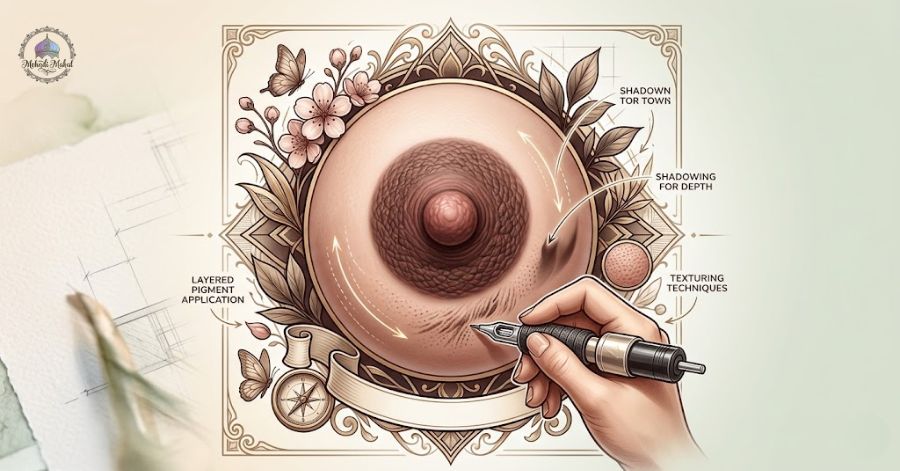
Here’s where tattoo NiP becomes genuine artistry. A 2D areola tattoo is simple — it lays down a flat, single-toned circle representing the areola. It works well when nipple reconstruction surgery has already been completed physically. But a 3D areola tattoo is something else entirely. Skilled artists use advanced shading, custom color blending, and the pointillism technique to create an optical illusion of dimension and projection. To the naked eye, the tattoo appears to physically protrude from the skin. It’s a stunning achievement of art meeting medicine.
What makes 3D tattooing so powerful is the artist’s ability to mimic how light interacts with skin. They study highlight and shadow placement meticulously. Every individual’s skin tone, texture, and breast shape demands a fully custom approach. No two tattoos are identical — nor should they be. Areola restoration at this level requires years of specialized training. The 2D vs 3D areola tattoo difference isn’t just visual — it’s emotional. Patients who choose 3D consistently report feeling a stronger sense of wholeness and confidence restoration after their sessions.
| Factor | 2D Tattoo | 3D Tattoo |
| Appearance | Flat, single-tone | Realistic, dimensional |
| Technique | Basic pigment fill | Shading, pointillism, depth |
| Best For | Post-nipple reconstruction | Post-mastectomy flat closure |
| Sessions Needed | 1–2 | 2–3 |
| Longevity | 5–7 years | 7–10 years |
| Cost Range | Lower | Higher |
Nipple Tattoo Recovery — What to Expect
Nipple tattoo recovery is surprisingly straightforward. Immediately after your session, the treated area is covered with a bandage worn for at least 12 hours. For the first five days, avoid wearing tight garments around your chest. Gently cleanse the area with a mild, fragrance-free cleanser and apply the ointment your artist recommends. Think of it like caring for a fresh tattoo — because that’s exactly what it is. Following proper tattoo aftercare protocols in those early days directly impacts the quality of your final result.
Long-term care matters just as much as the first week. Sun exposure is the biggest enemy of tattoo pigment. Use SPF 50 sunscreen religiously on and around the tattooed area. Avoid IPL laser treatment, tanning beds, and chemical exfoliants — all of these accelerate fading. Chlorinated swimming pools are another hidden threat. With consistent care, your areola restoration results stay vibrant and crisp for years. A tattoo touch-up session down the road is normal and keeps everything looking fresh and bold.

| Timeline | What to Expect |
| Day 1–2 | Redness, mild swelling, bandaged area |
| Day 3–7 | Light peeling begins, keep area clean |
| Week 2–3 | Color begins to settle, avoid sun |
| Week 4–6 | Full surface healing, assess touch-up need |
| 6+ Months | Final pigment reveals, begin SPF maintenance |
Results — Before and After Nipple Tattooing
The transformation that comes with tattoo NiP goes far beyond skin-deep. Most patients describe their nipple tattoo before and after experience as emotional — sometimes overwhelmingly so. Physically, the results are striking. A skilled artist can recreate a natural-looking results with precise color matching, symmetrical placement, and realistic dimension. The 3D nipple tattoo looks so convincing that many patients say even they forget it’s a tattoo when they glance in the mirror.
Emotionally, the shift is even more profound. Survivorship comes with invisible wounds. Many women share that seeing a complete, natural-looking chest for the first time after their cancer journey brings them to tears — happy tears. Empowered self-image returns. The sense of authenticity and self-acceptance that tattoo NiP restores cannot be overstated. Results typically last five to ten years, depending on your skin type, sun exposure habits, and lifestyle choices. A periodic tattoo touch-up ensures your results stay as vibrant as the day they were done.
Does Nipple Tattooing Hurt?
Let’s be honest — pain is usually the first question people ask. The reassuring truth is that nipple tattooing on a reconstructed or surgically altered breast causes significantly less discomfort than tattooing on intact skin. Why? Because mastectomy and reconstruction surgeries inevitably reduce nerve sensitivity in the breast area. The sensation most patients describe is mild pressure or light scratching — not the sharp sting you might expect. Many people go through their entire session without any numbing / topical anesthetics at all.
That said, everyone’s experience differs. If you have higher sensitivity than expected, your artist can apply a topical anesthetic tattoo cream before beginning. Numbing agents take about 30–45 minutes to fully activate, so plan accordingly. Anxiety often amplifies perceived pain — so coming in relaxed, well-rested, and having eaten beforehand makes a real difference. Most patients leave their first session surprised by how manageable it was. The discomfort is temporary. The results are permanent. That trade-off is absolutely worth it.
How Much Does Nipple Tattooing Cost?
Nipple tattoo cost in the USA varies depending on your location, the artist’s experience, and whether the procedure is post-mastectomy or cosmetic. For post-mastectomy tattoo appointments, pricing typically starts around $850. Cosmetic nipple tattooing generally ranges from $500 to $1,200 for an initial session. Gender-affirming tattoo pricing falls in a similar bracket. Follow-up and fine-tuning sessions usually cost between $150 and $300. Remember — this is skilled, specialized art. Choosing based on price alone is never wise when the work becomes a permanent part of your body.
Now, does insurance cover nipple tattoo? For post-mastectomy patients in the USA, the answer is often yes. The Women’s Health and Cancer Rights Act (WHCRA) of 1998 legally requires insurance plans that cover mastectomy to also cover breast reconstruction — including areola restoration tattooing. Always verify directly with your insurance provider before your appointment. Cosmetic and elective nipple tattoos, however, are typically paid out-of-pocket. Restorative Ink Specialists and similar practices often offer virtual consultations to help you understand your coverage before committing.
| Service | Estimated Cost (USA) |
| Post-Mastectomy Initial Session | From $850 |
| Cosmetic Nipple Tattoo | $500 – $1,200 |
| Touch-Up Session | $150 – $300 |
| Gender-Affirming Areola Tattoo | $600 – $1,100 |
| Insurance Coverage (WHCRA) | May cover post-mastectomy fully |
The Nipple Innovation Project (NiP) — Reclaiming Your Body
The Nipple Innovation Project — widely known as NiP — is one of the most heartfelt organizations operating in the USA today. Its mission is beautifully simple: connect breast cancer survivors who’ve undergone mastectomy with compassionate, highly skilled tattoo artists who provide 3D areola tattoo services completely free of charge. For patients who can’t afford the nipple tattoo cost or whose insurance falls short, NiP is a genuine lifeline. It transforms the final chapter of a cancer journey into something empowering rather than financially stressful.
What sets NiP apart is its rigorous artist vetting process. Not just any tattoo artist qualifies. NiP-Verified artists undergo specialized training in areola restoration, medical sensitivity, and patient communication. They understand that their canvas is a survivor — not just skin. The organization has facilitated thousands of post-mastectomy tattoo procedures across the country, offering patients a sense of wholeness they feared they’d never regain. If you’re a breast reconstruction surgery patient looking for support, the Nipple Innovation Project deserves your attention.
Support the Nipple Innovation Project
Behind every free tattoo NiP session is a community of donors, volunteers, and advocates making it possible. Financial contributions — whether a one-time gift or a recurring monthly donation — directly fund artist supplies, patient coordination, and outreach programs. Even small contributions compound into real impact. Community fundraisers, charity events, and peer-to-peer campaigns have helped NiP reach patients in rural areas who’d otherwise have no access to areola tattooing services. Every dollar carries the weight of someone’s confidence restoration.
Talented tattoo artists can make an equally powerful contribution by joining NiP as verified volunteers. The application process includes training in cosmetic tattoo treatment for post-surgical patients and a portfolio review focused on natural-looking results and skin tone accuracy. Jeanine McTasney, an industry leader in restorative tattooing with decades of experience, exemplifies the kind of artistry and compassion NiP seeks in its artists. Giving your skill to a survivor isn’t just charity — it’s one of the most meaningful things an artist can do with their craft.
Finding a Qualified Nipple Tattoo Artist Near You
Choosing the right artist for your tattoo NiP procedure is one of the most important decisions you’ll make. Start by looking for someone with documented, specialized training in medical tattoo procedure work — not just general tattooing experience. Ask to see a portfolio specifically focused on nipple tattoo before and after results. Look for precision in color matching, symmetry, and the realism of their 3D areola tattoo work. NiP-Verified status is one of the strongest trust signals available in this niche — it means the artist has been trained and approved by a respected industry organization.
Don’t underestimate the value of a virtual consultation nipple tattoo session before committing. Many leading artists, including those affiliated with Restorative Ink Specialists, offer both in-person and virtual consultations. This lets you assess their communication style, ask detailed questions, and gauge whether they understand your specific needs. Ask about the inks they use — traditional tattoo inks always outperform permanent makeup pigments and older medical pigments in terms of longevity and color range. Also ask about their scar revision tattooing capabilities if visible scarring is part of your story.
| Vetting Criteria | Why It Matters |
| Specialized restorative training | Ensures medical-context competence |
| Before/after portfolio | Proof of real-world results |
| Virtual consultation availability | Accessibility and convenience |
| Traditional tattoo ink usage | Better color and longevity |
| NiP-Verified or medically affiliated | Trusted credentialing |
| Transparent pricing + insurance help | No hidden surprises |
link:Nipple and Areola Tattoo Recovery
Permanent Makeup & Restorative Tattooing — Related Services
Tattoo NiP exists within a broader world of restorative and cosmetic tattoo treatment services that help people reclaim their appearance after illness, surgery, or personal transformation. Scar revision tattooing uses specialized pigments to camouflage surgical scars, blending them seamlessly into surrounding skin. Eyebrow microblading and hairline restoration help chemotherapy patients rebuild facial features they lost during treatment. Lip blush tattooing restores color and definition lost to aging or illness. Together, these services form a complete toolkit for physical and emotional restoration.
Areola restoration sits at the emotional center of this toolkit. But pairing it with complementary services can dramatically enhance the overall outcome. Many patients who pursue tattoo NiP also explore full-body areola symmetry correction, scar camouflage work, and permanent brow shaping as part of their broader recovery journey. Artists like Jeanine McTasney who offer bundled restorative services provide not just technical expertise but a continuous, compassionate relationship with the patient. That continuity of care makes the healing journey feel far less fragmented and far more whole.
Patient Testimonials & Real Stories
Real stories carry a weight no statistic can match. Consider Maria, a 47-year-old from Texas who underwent a double mastectomy after her Stage 2 breast cancer diagnosis. After breast reconstruction surgery, she felt physically healed but emotionally unfinished. Her surgeon referred her to a NiP-Verified artist who specialized in 3D areola tattoo work. Two sessions later, Maria stood in front of her mirror and wept — not from sadness but from relief. Her self-image had returned. She describes her nipple tattoo before and after experience as the single most healing moment of her entire cancer journey.
Then there’s James, a 34-year-old transgender man from California who completed gender-affirming top surgery and needed areola symmetry correction to finalize his physical transition. His artist used advanced pointillism technique to create beautifully masculine areolas that matched his skin tone perfectly. He says the experience gave him a sense of wholeness he’d been chasing for years. Stories like Maria’s and James’s remind us that tattoo NiP isn’t just a procedure — it’s a profound act of authenticity and self-acceptance. It’s medicine delivered through art, and its impact echoes long after the ink dries.
Nipple Tattooing FAQ
Does Insurance Cover Nipple Tattooing in the USA?
The Women’s Health and Cancer Rights Act of 1998 is a federal law that requires insurance plans covering mastectomy to also cover breast reconstruction — including areola restoration tattooing. This means many post-mastectomy patients in the USA can have their tattoo NiP procedure partially or fully reimbursed. Always contact your insurance provider directly to confirm your specific plan’s coverage. Cosmetic or elective nipple tattooing is typically not covered and requires out-of-pocket payment.
How Long Do Areola Tattoos Last?
How long do areola tattoos last? With proper care, most areola tattooing results remain vibrant for five to ten years. Several factors influence longevity. Sun exposure is the most damaging — always apply SPF 50 sunscreen to the area. Skin type, lifestyle habits, and whether you swim in chlorinated water regularly also play a role. Traditional tattoo inks used by reputable artists tend to outlast permanent makeup pigments by several years. Periodic tattoo touch-up sessions keep results looking their absolute best.
Can Nipple Tattooing Be Done After Radiation Therapy?
Yes — but timing matters enormously. Radiation therapy causes the skin to become significantly more fragile and sensitive. Most specialists recommend waiting at least three to five months after completing radiation before pursuing nipple tattooing. This waiting period allows skin integrity to recover sufficiently for pigment to bond correctly. Always consult your oncologist before scheduling your appointment. Rushing this step can lead to poor pigment retention and potential skin complications that undermine your results.
What Is the Difference Between 2D and 3D Areola Tattoos?
The 2D vs 3D areola tattoo difference is both technical and visual. A 2D areola tattoo creates a flat, single-toned representation of the areola — clean and simple, ideal when nipple reconstruction surgery has physically rebuilt the nipple. A 3D areola tattoo uses layered shading, custom color blending, and the pointillism technique to create a lifelike illusion of projection and dimension. For patients with flat chest closures post-mastectomy, the 3D option delivers far more realistic and emotionally satisfying results.
Does Nipple Tattooing Hurt?
Does nipple tattooing hurt? Honestly, far less than most people expect. The mastectomy and reconstruction process reduces nerve sensitivity dramatically in the breast area. Most patients report only mild pressure during the procedure. Numbing / topical anesthetics are available and take effect within 30–45 minutes if you’d prefer additional comfort. The key is communicating openly with your artist. Coming in relaxed and well-prepared makes an enormous difference. Most patients describe the discomfort as entirely manageable — and the results as entirely worth it.
Can Men Get Nipple Tattooing?
Absolutely. Nipple tattooing isn’t exclusively for women or breast cancer survivors. Male mastectomy patients, transgender men post gender affirmation surgery, and men seeking cosmetic areola symmetry correction all pursue tattoo NiP. Skilled artists understand the anatomical differences between male and female nipple-areolar complex structures and adapt their techniques accordingly. Demand for male areola tattooing is steadily growing across the USA, and NiP-Verified artists are increasingly trained to serve this expanding patient community.
How Many Sessions Are Needed?
Most tattoo NiP procedures require two to three sessions, each lasting approximately 90 minutes. The first session establishes the base color, shape, and initial shading. A healing period of four to six weeks follows — this is non-negotiable. During healing, the pigment settles and the true color emerges. The second session refines detail, deepens tone, and corrects any areas that faded unevenly. A third session is sometimes used for final fine-tuning. This multi-session approach is what separates truly exceptional areola restoration results from mediocre ones.