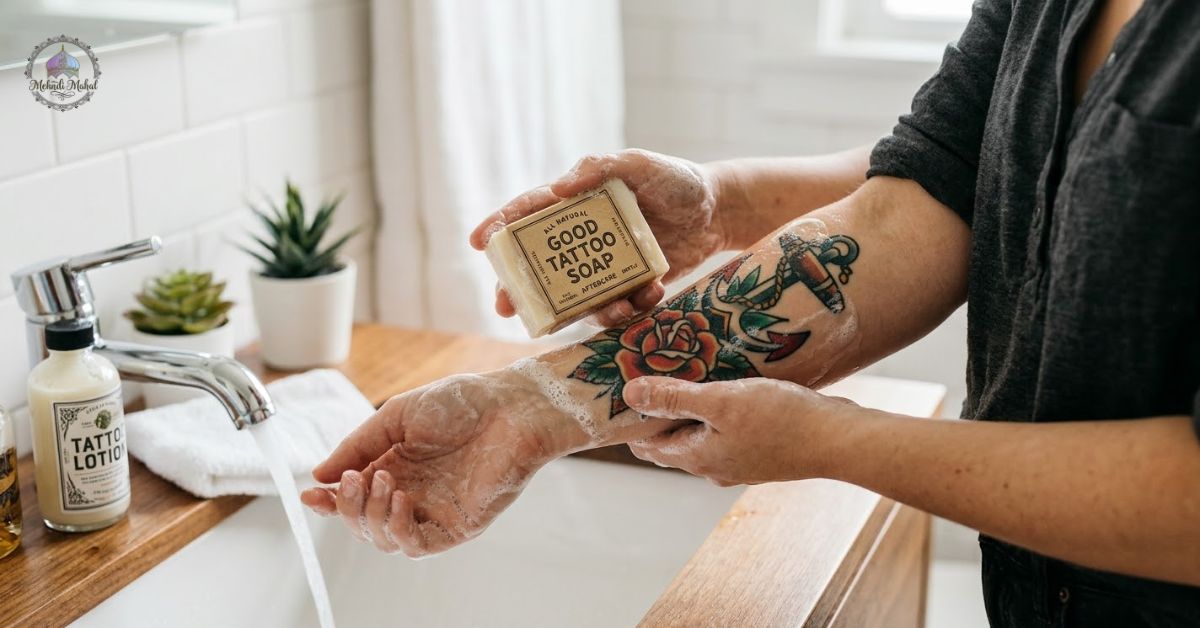
Getting a tattoo is one thing. Taking care of it properly is another. The moment you leave the studio, your skin starts healing — and what you wash it with matters more than most people realize. A good tattoo soap keeps your fresh ink clean, safe, and vibrant during the healing process. Using the wrong product can cause infections, faded colors, and unnecessary scarring. That’s why choosing the right tattoo aftercare soap is the first and most important step in your aftercare routine. Whether you’re a first-timer or a seasoned collector, this guide breaks down exactly what makes a good tattoo soap, what ingredients to avoid, and which products actually work.
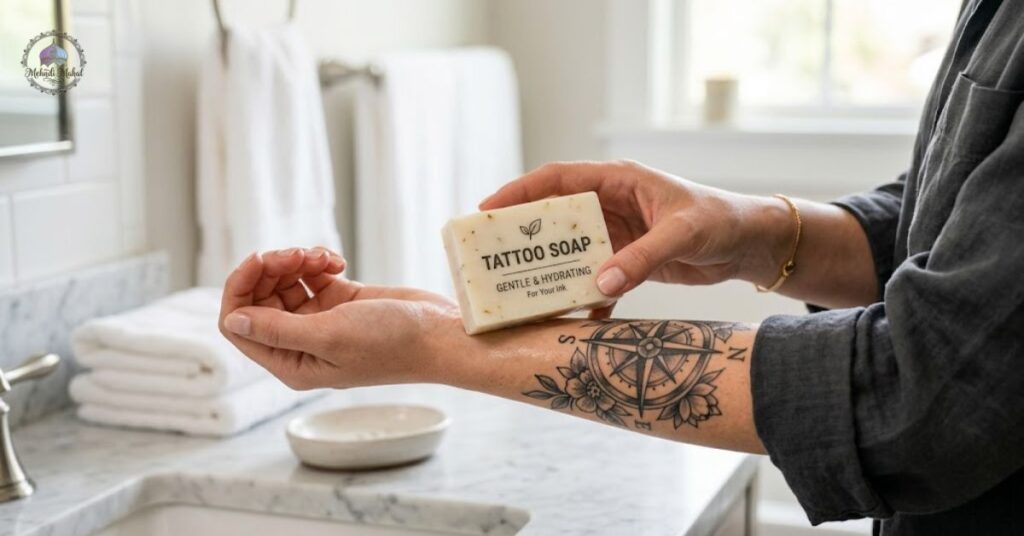
Why Choosing the Right Tattoo Soap Is More Important Than You Think
Here’s something most people don’t know: a fresh tattoo is technically an open wound. The needle punctures your skin thousands of times per minute. That leaves your skin raw, sensitive, and wide open to bacteria. Using the wrong soap — even one marketed as “gentle” — can introduce harmful chemicals directly into broken skin.
Tattoo aftercare soap isn’t just about cleanliness. It’s about protecting your investment. A tattoo can cost hundreds or even thousands of dollars. Improper washing can lead to infection, fading, patchiness, and scarring. Studies from the American Academy of Dermatology show that infections are one of the most common complications of new tattoos, and many start simply because people use the wrong cleaning products. Choosing a good tattoo soap from day one makes a huge difference in how vibrant and sharp your tattoo looks for years to come.
How Tattoos Heal — And What Can Go Wrong
Understanding the tattoo healing process helps you make smarter aftercare choices. When you get tattooed, the needle deposits ink into the dermis — the second layer of your skin. Your body immediately responds as if it has been injured. Blood rushes to the area. White blood cells show up to fight potential invaders. Redness, swelling, and tenderness are all normal in the first 24 to 48 hours.
Between days three and fourteen, your tattoo enters the peeling phase. A thin layer of dead skin forms and starts to flake off. This is completely natural. However, this is also when your tattoo is most vulnerable to tattoo infection prevention failures. Picking at the peeling skin, using harsh products, or washing too aggressively can pull ink out and create patchy spots. After week two, the surface heals but the deeper layers can take up to three months to fully settle. Using a proper soap throughout this entire window gives your tattoo the best chance of healing perfectly.
What Makes a Soap “Good” for Tattoo Aftercare?
Not every soap on the market is safe for a healing tattoo. A good tattoo soap checks several specific boxes. It should clean without stripping. It should soothe without numbing. And it should protect without creating a barrier that blocks healing. The formula matters enormously. Many commercial soaps are designed for general hygiene, not for the delicate, broken skin around a new tattoo.
The best soaps for tattoo aftercare soap use are mild soap for sensitive skin formulations. They don’t foam aggressively. They don’t leave residue. And they don’t contain alcohol, strong dyes, or synthetic perfumes. Think of your tattooed skin like a fresh cut. You wouldn’t wash a cut with dish soap or heavily scented body wash. The same logic applies to fresh ink. Below are the four qualities that separate a great tattoo soap from a risky one.
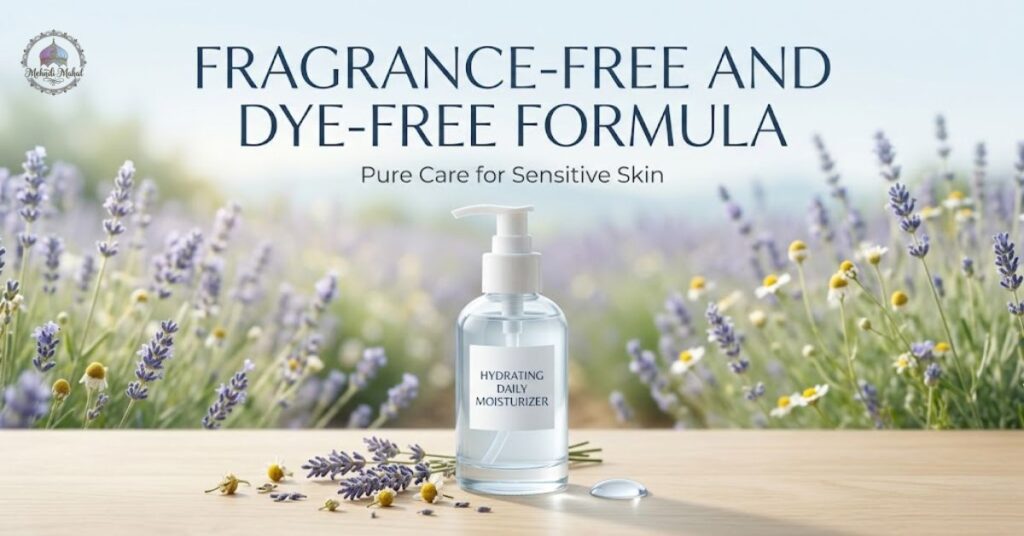
Fragrance-Free and Dye-Free Formula
Fragrance-free soap for tattoos is non-negotiable for fresh ink. Artificial fragrances are made from dozens of chemical compounds that can irritate broken skin. Even products labeled “lightly scented” can trigger redness, itching, and allergic reactions on a healing tattoo. Dyes carry the same risk. A clean, clear, unscented formula is always the safest choice during the first four weeks of healing.
Antibacterial vs. Non-Antibacterial — What’s Better?
This is one of the most debated topics in tattoo aftercare. Antibacterial soap for tattoo use can be helpful in the first few days because it reduces the bacteria population on your skin. However, many antibacterial soaps contain triclosan or strong alcohols that dry the skin excessively. Most professional tattoo artists today recommend a gentle, non-antibacterial soap after the first 48 hours because over-sanitizing can disrupt your skin’s natural microbiome and actually slow healing.
pH Balance and Skin Safety
pH balanced soap for tattoos is important because your skin’s natural pH sits around 4.5 to 5.5. Soaps that are too alkaline — like many bar soaps and antibacterial formulas — disrupt this balance. When your skin’s pH is thrown off, its barrier function weakens, making it easier for bacteria to get in and moisture to escape. Look for soaps that specifically say “pH balanced” or “skin-neutral” on the label.
Moisturizing Properties
Moisturizing soap for tattoos helps keep the skin supple during healing. Dry skin causes excessive scabbing, and heavy scabs can pull ink out when they fall off. Soap with glycerin for tattoo care is particularly effective because glycerin attracts water molecules to the skin’s surface, keeping it hydrated with every wash. Aloe vera and coconut oil are two other ingredients that add gentle moisture without clogging pores.
Top 7 Best Soaps for Tattoo Aftercare (Tested & Recommended)
With so many products on the market, finding the best soap for new tattoo care can feel overwhelming. The seven soaps below are widely trusted by tattoo artists and enthusiasts across the USA. Each one brings something slightly different to the table, so choosing the right one depends on your skin type and tattoo location.
| Rank | Product | Type | Best For | Fragrance-Free? |
| 1 | Dr. Bronner’s Baby Castile Soap | Liquid castile | All skin types | Yes |
| 2 | Dial Gold Antibacterial | Liquid antibacterial | First 48 hours | No (mild scent) |
| 3 | Softsoap Sensitive Skin | Liquid hand soap | Budget option | Some variants |
| 4 | Cetaphil Gentle Skin Cleanser | Gentle cleanser | Sensitive skin | Yes |
| 5 | H2Ocean Blue Green Foam Soap | Tattoo-specific foam | Specialized care | Yes |
| 6 | Dove Sensitive Beauty Bar | Bar soap | Dry skin types | Yes |
| 7 | Tattoo Goo Deep Cleansing Soap | Tattoo-specific liquid | Dedicated aftercare | Yes |
1. Dr. Bronner’s Castile Soap
Dr. Bronner’s soap tattoo use is extremely popular in the USA tattoo community. The Baby Unscented version is made with organic coconut, olive, and hemp oils. It’s deeply cleansing without being harsh. Many professional artists hand this recommendation to clients on their aftercare sheets. It rinses completely clean, leaves no residue, and is biodegradable.
2. Dial Gold Antibacterial Soap
Dial Gold soap for tattoo aftercare is a classic recommendation for the first one to two days post-tattoo. It’s affordable, widely available, and effective at killing bacteria during the most vulnerable window of healing. After the first 48 hours, most artists suggest switching to something gentler. Use it sparingly and rinse thoroughly since it can be drying with repeated use.
3. Softsoap — Is It Actually Safe for Tattoos?
Softsoap for tattoos gets a lot of attention because it’s in nearly every American home. The short answer is: it depends on the variant. The Sensitive Skin formula without added fragrance can work as a budget-friendly option. However, many Softsoap products contain sodium laureth sulfate and synthetic fragrance, which are not ideal for healing skin. More on this in the dedicated section below.
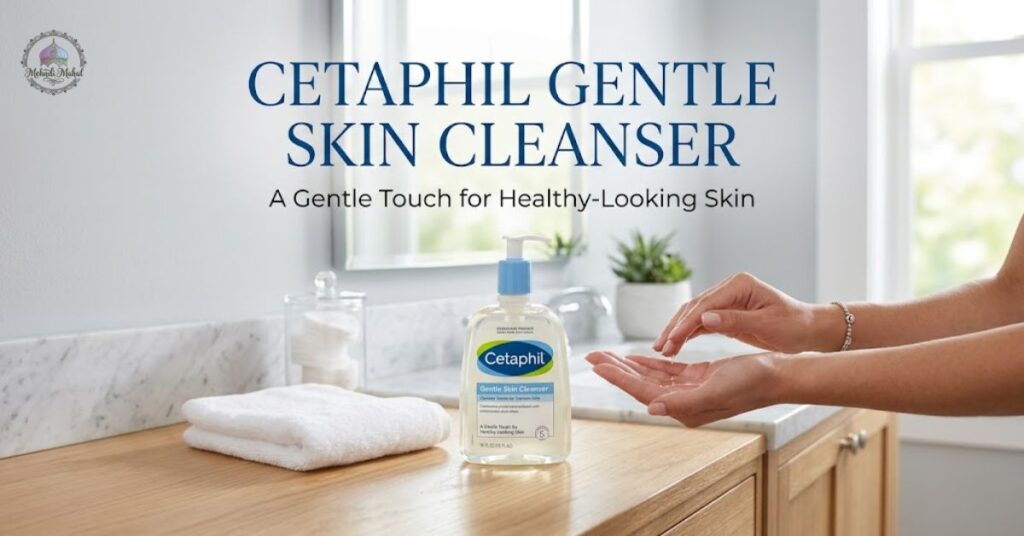
4. Cetaphil Gentle Skin Cleanser
Cetaphil is a dermatologist-favorite brand known for its extremely mild formula. It’s a top pick as a gentle soap for healing tattoo care, especially for people with eczema, rosacea, or other skin sensitivities. It doesn’t lather much, which is actually a good sign — low lather means fewer harsh surfactants. It’s also hypoallergenic soap tattoo users can trust.
5. H2Ocean Blue Green Foam Soap
The H2Ocean foam soap tattoo community loves this product because it was specifically engineered for tattoo aftercare. It contains sea salt, which has natural antibacterial properties, along with aloe vera and a blend of vitamins. It’s a tattoo soap with aloe vera that actively promotes healing. The foam format makes it easy to apply without rubbing too aggressively.
6. Dove Sensitive Skin Bar
Dove soap for tattoo healing works well for people who prefer bar soap. The Sensitive Skin variety is fragrance-free, dermatologist-tested, and contains a moisturizing cream that helps prevent dryness. It’s gentler than most bar soaps on the market. It’s not specifically formulated for tattoos, but its mild, hydrating formula makes it a reasonable choice, especially for week two and beyond.
7. Tattoo Goo Deep Cleansing Soap
Tattoo Goo makes tattoo care products specifically designed for the healing process. Their Deep Cleansing Soap contains olive oil and tea tree oil, both known for their soothing and antimicrobial properties. It’s tattoo soap free from parabens and dyes, making it one of the cleanest options available. The brand is widely sold at tattoo supply stores and online retailers across the USA.
Is SoftSoap Good for Tattoos? An Honest Review
Is Softsoap safe for tattoos? This is one of the most Googled questions in the tattoo aftercare space, and for good reason. Softsoap is affordable, accessible, and familiar. But the answer isn’t a simple yes or no. Softsoap for tattoos can be acceptable IF you choose the right variant. The Sensitive Skin formula, which is free from heavy fragrances and strong antibacterial agents, is the safest choice from the Softsoap lineup.
However, most standard Softsoap products contain sodium laureth sulfate — a foaming agent that can strip the skin’s natural oils and cause dryness, flaking, and irritation on healing tattoos. Many variants also include synthetic fragrances, dyes, and preservatives that are listed as common irritants by dermatologists. If Softsoap is your only option, choose the most basic, fragrance-free version and use it minimally. But honestly, for a tattoo that cost real money, upgrading to a purpose-built product like H2Ocean or Dr. Bronner’s Baby Castile is a smarter investment that protects your ink long-term.
Is Dr. Bronner’s Castile Soap Good for Tattoos? Benefits Explained
Dr. Bronner’s soap tattoo aftercare reputation is well-earned. Castile soap is made with plant-based oils — no synthetic detergents, no petroleum derivatives. The Baby Unscented version contains just a handful of certified organic ingredients: water, coconut oil, olive oil, hemp oil, jojoba oil, and citric acid. Every single ingredient serves a purpose and none of them pose a risk to healing skin.
What makes this soap especially effective is its ability to clean deeply without disturbing the skin’s acid mantle. It’s a true unscented liquid soap tattoo users can rely on throughout the entire healing period — from day one all the way through week four and beyond. Dilute it slightly with water when applying to a fresh tattoo. A dime-sized amount goes a long way. Rinse with lukewarm water and pat dry gently. Artists from coast to coast recommend it, and its organic certification makes it a trustworthy choice for tattoo soap without harsh chemicals.
Ingredients to Avoid in Tattoo Soaps
Knowing what to avoid is just as important as knowing what to look for. Many popular soap brands include ingredients that are harmless on intact skin but genuinely problematic on freshly tattooed skin. Ingredients to avoid in tattoo soap include a specific list of chemical compounds that disrupt healing, cause allergic reactions, or pull moisture from the skin at the worst possible time.
Avoid sodium laureth sulfate tattoo products entirely during the healing window. This common foaming agent is found in the majority of commercial hand soaps and body washes. On healing skin, it strips away the lipid layer that forms a natural protective barrier. Artificial fragrances are the second biggest offender — they’re a leading cause of contact dermatitis on tattoos. Parabens, used as preservatives in many soaps, have been linked to skin sensitization. Isopropyl alcohol, found in some antibacterial products, dries the skin dramatically and can crack the surface of a healing tattoo, inviting bacteria in rather than keeping them out.
| Ingredient to Avoid | Why It’s Harmful | Commonly Found In |
| Sodium Laureth Sulfate (SLS) | Strips skin’s natural oils | Most commercial soaps |
| Synthetic Fragrance | Causes contact dermatitis | Scented soaps, body washes |
| Parabens | Skin sensitization | Preservative-heavy soaps |
| Isopropyl Alcohol | Dries and cracks healing skin | Antibacterial soaps |
| Artificial Dyes | Triggers allergic reactions | Colored soaps and washes |
| Triclosan | Disrupts skin microbiome | Strong antibacterial products |
How to Properly Wash a New Tattoo Step-by-Step
How to wash a new tattoo correctly is one of the most important skills any newly tattooed person can learn. It sounds simple. But doing it wrong — washing too hard, using the wrong temperature water, or not drying properly — can set back healing by days and damage the appearance of your tattoo. Follow these steps every time you wash your new ink for the best results.
Using a good tattoo soap with clean hands is the foundation of every wash. Never use a washcloth, loofah, or sponge on a healing tattoo — they harbor bacteria and create friction that damages new skin. Always wash with your fingertips using gentle circular motions. The whole process should take about 30 seconds of actual washing. Rinse until the water runs completely clear and no soap residue remains. Pat — never rub — dry with a clean paper towel, then let the area air dry for five to ten minutes before applying any moisturizer.
Step-by-step tattoo washing guide:
- Wash your hands thoroughly with soap and water before touching your tattoo.
- Wet the tattooed area with lukewarm water — not hot, not cold.
- Apply a small amount of your chosen tattoo aftercare soap to your clean fingertips.
- Gently massage the soap over the tattoo using light circular motions for 20 to 30 seconds.
- Rinse completely with lukewarm water until no soap remains.
- Pat dry with a fresh, clean paper towel.
- Let the tattoo air dry for five to ten minutes.
- Apply a thin layer of unscented moisturizer or tattoo-specific aftercare lotion.
Tattoo Aftercare Timeline: Week-by-Week Soap Guide
The tattoo healing process isn’t the same from week one to week four. Your skin’s needs change as it progresses through different stages of healing. Using the right type of soap at each stage — and adjusting how often you wash — can make a real difference in the final result. How long to use special soap on tattoo skin depends on how your skin heals, but most artists recommend four to six weeks minimum.
Here’s a simple overview of the full tattoo color vibrancy aftercare tips timeline broken down week by week:
| Week | Healing Stage | Washing Frequency | Soap Recommendation |
| Days 1–3 | Open wound, plasma seeping | 2–3 times daily | Mild antibacterial or castile soap |
| Week 1 | Surface closing, redness fading | 2 times daily | Fragrance-free gentle cleanser |
| Week 2 | Peeling and flaking begins | 2 times daily | Ultra-gentle, moisturizing soap |
| Week 3+ | Deep layers still healing | 1–2 times daily | Any mild, unscented soap |
Days 1–3: First Wash Instructions
The first wash happens two to three hours after your tattoo artist applies the initial wrap. Remove the bandage carefully under lukewarm water. Apply a small amount of unscented liquid soap tattoo-safe formula and gently work it across the area. This removes blood plasma, excess ink, and any bacteria that has accumulated under the wrap. It will look a little scary — the water may run with diluted ink and pink fluid. That’s completely normal.
Week 1: Daily Cleaning Routine
During week one, wash your tattoo twice a day — once in the morning and once before bed. Use your chosen tattoo aftercare soap and follow the step-by-step method above every time. Don’t be tempted to skip a wash because the tattoo “looks fine.” Consistency matters. The goal during this week is to prevent infection while keeping the area clean and slightly moisturized to avoid excessive scabbing.
Week 2: Peeling Phase Care
Tattoo peeling and flaking care during week two requires patience. The skin will start to peel like a mild sunburn. This is the stage where most people make mistakes. Never pick, scratch, or peel the flaking skin manually — doing so removes ink. Continue washing twice daily with a gentle, moisturizing soap for tattoos. The soap helps loosen dead skin naturally without forcing it off. Keep the area lightly moisturized after each wash to keep tattoo moisturized while healing properly.
Week 3 and Beyond: Long-Term Maintenance
By week three, your tattoo will look mostly healed on the surface. The colors may appear slightly muted or cloudy — this is normal as the deeper skin layers continue to heal beneath. Continue washing once or twice daily with a mild soap for sensitive skin formula. The tattoo color vibrancy aftercare tips that matter most at this stage are sun protection, hydration, and avoiding prolonged water exposure like swimming. Full healing at the deeper dermis level takes up to three months.
Natural and Hypoallergenic Soap Alternatives for Sensitive Skin
Some people’s skin reacts to even the mildest commercial soaps. If you have hypoallergenic soap tattoo needs due to eczema, psoriasis, or chemical sensitivities, there are excellent natural alternatives that work beautifully on healing tattoos. These options tend to have shorter ingredient lists, no synthetic additives, and a gentler interaction with broken skin.

Goat milk soap is one of the most underrated options for healing tattoos. It contains natural lactic acid, which gently exfoliates dead skin without any scrubbing. It’s also rich in vitamins A and D, both of which support skin repair. Black soap — a traditional West African formulation made with plantain ash and shea butter — is another increasingly popular choice. It’s deeply cleansing, tattoo soap free from parabens and dyes, and especially effective for darker skin tones. Oat-based soaps offer incredible soothing properties for inflamed skin, making them a top pick for people experiencing above-average redness or itching during healing.
What Professional Tattoo Artists Recommend
When it comes to tattoo soap recommended by artists, the consensus is clearer than you might expect. The vast majority of professional tattoo artists in the USA recommend unscented, non-antibacterial liquid soaps for the majority of the healing period. Specific product recommendations vary by region and personal experience, but the principles are consistent across the board.
“I tell all my clients the same thing — use the least exciting soap you can find. No scent, no color, no antibacterial claims after the first day or two. Simple is always better for healing tattoos.” — Marcus T., professional tattoo artist, Chicago IL
Many artists now include specific product recommendations on their printed aftercare sheets. Dr. Bronner’s Baby Unscented, Cetaphil, and H2Ocean come up most frequently. The artist community has largely moved away from recommending antibacterial soaps for long-term use, citing research that shows over-sanitizing disrupts the skin microbiome. A good tattoo soap recommendation from your specific artist should always be followed, since they know the style of your tattoo, the depth of the work, and how your skin reacted during the session.
Common Mistakes People Make When Washing a New Tattoo
Even people who have had multiple tattoos make washing mistakes. Can I use regular soap on tattoo skin is one of the most common questions — and the answer is usually no, at least not for the first few weeks. Regular hand soap and body wash almost always contain fragrances, SLS, and dyes that don’t belong on healing ink. It’s one of the easiest ways to accidentally compromise your tattoo’s healing.
Over-washing is just as problematic as under-washing. Cleaning your tattoo more than three times a day strips away the natural moisture your skin produces to heal itself. Using hot water opens the pores aggressively and can cause ink to bleed slightly from fresh lines. Rubbing the area dry with a terry cloth towel introduces friction and bacteria. Applying soap directly from a pump bottle without washing hands first transfers germs straight to an open wound. And perhaps the most damaging mistake of all: soaking the tattoo in a bath, pool, or ocean before it’s fully healed. Water logged skin swells, which can push ink out and distort the design. These mistakes are all easily avoided with a little awareness.
Frequently Asked Questions About Tattoo Soap
Can I use regular hand soap on a new tattoo?
Can I use regular soap on tattoo skin? Technically yes, but it’s not recommended for the first month. Most regular hand soaps contain fragrances, dyes, and sulfates that irritate healing skin. If it’s your only option, choose the most basic fragrance-free formula and use it just once. Switch to a proper good tattoo soap as soon as possible to protect your ink and speed up healing.
How many times a day should I wash my tattoo?
Two to three times daily during the first week is the general guideline. After that, twice a day is sufficient. Morning and night washes keep bacteria levels under control without over-stripping the skin. Washing after sweaty activities like exercise is also a good idea. Always use your chosen tattoo aftercare soap and follow the full step-by-step process every time — quick rinses without proper cleansing don’t offer enough protection.
Should I use antibacterial soap on a fresh tattoo?
Best antibacterial soap for tattoo healing during the first 48 hours can be beneficial. Dial Gold is a popular choice for this short window. However, after the first two days, most dermatologists and tattoo artists recommend switching to a non-antibacterial, gentle cleanser. Extended use of antibacterial soap kills the beneficial bacteria your skin naturally uses to protect and repair itself, which can actually slow the healing process.
What soap is best for tattoo aftercare on sensitive skin?
Cetaphil Gentle Skin Cleanser and Dr. Bronner’s Baby Castile Soap are the top recommendations for sensitive skin. Both are hypoallergenic soap tattoo formulations with no synthetic fragrances or dyes. H2Ocean’s foam soap is another excellent choice for sensitive skin because of its aloe vera content. Look for the tattoo soap with aloe vera option whenever your skin feels irritated or inflamed during healing.
How long should I keep washing my tattoo with special soap?
How long to use special soap on tattoo skin depends on your healing speed, but four to six weeks is the minimum most professionals recommend. Even after surface healing is complete, the deeper layers of skin continue to repair. Using a gentle, fragrance-free soap for tattoos throughout this window ensures nothing disrupts the ink as it fully settles into the dermis. After six weeks, you can return to your regular cleanser if it’s not too harsh.
What’s the best soap for new tattoos? What soap should you NOT use on a new tattoo?
The best soap for new tattoo care is Dr. Bronner’s Baby Unscented Castile Soap, followed closely by Cetaphil and H2Ocean. For a good tattoo soap that’s accessible and affordable, the fragrance-free Softsoap Sensitive Skin variant works in a pinch. As for what to avoid — never use heavily scented soaps, exfoliating washes, antibacterial soaps with alcohol for extended periods, or any product containing sodium laureth sulfate, parabens, or artificial dyes on a healing tattoo.