
What Are Cone Flowers?
Cone flowers, commonly known as coneflowers, belong to the Echinacea genus in the Asteraceae (daisy) family. They are herbaceous perennials native to North America and are recognized by their raised, cone-shaped centers (disk florets) surrounded by colorful petals (ray florets).
Most gardeners know them for their long-lasting blooms, tolerance to tough conditions, and ability to attract pollinators like bees and butterflies. Cone flowers are widely grown in home gardens, native landscapes, commercial landscaping projects, and restoration planting across the United States.
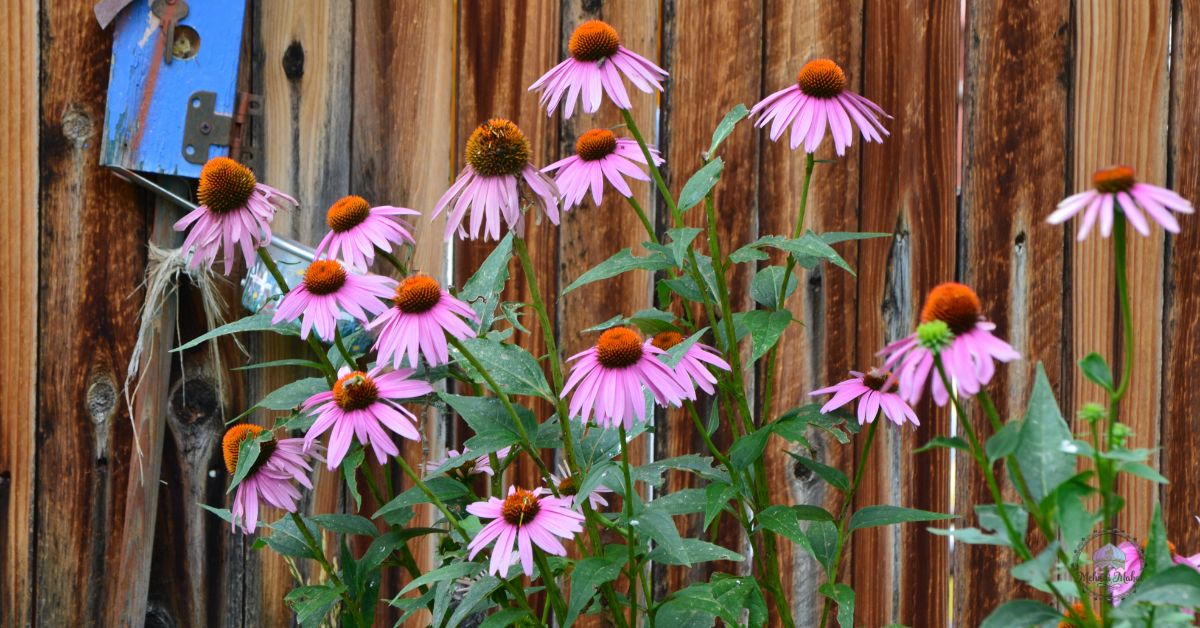
Why Cone Flowers Matter
Cone flowers are more than decorative plants. They play an important role in sustainable gardening and ecosystem health.
Key reasons they matter:
- Support pollinators, including native bees and butterflies
- Thrive in drought-tolerant and low-maintenance landscapes
- Adapt well to a wide range of USDA hardiness zones
- Contribute to native prairie and meadow ecosystems
For gardeners and professionals alike, cone flowers offer a balance of beauty, resilience, and ecological value.
Who Should Grow Cone Flowers?
Cone flowers suit a wide range of growers:
- Home gardeners looking for reliable perennials
- Beginner gardeners who want low-risk plants
- Landscapers designing pollinator-friendly or drought-resistant spaces
- Native plant enthusiasts restoring local habitats
- Commercial growers and nurseries supplying perennial plants
They work equally well in suburban yards, rural properties, urban gardens, and public green spaces.
When and Where Cone Flowers Grow Best
Cone flowers are well adapted to much of North America.
Ideal growing conditions:
- Hardiness zones: USDA Zones 3–9
- Sunlight: Full sun (6–8 hours daily); light shade tolerated
- Soil: Well-drained, loamy or sandy soil
They perform especially well in regions with hot summers and moderate rainfall. In colder areas, cone flowers die back in winter and return reliably in spring.
Types of Cone Flowers (Echinacea Varieties)
Several species and cultivars are commonly grown, each with unique characteristics.
| Species / Type | Common Traits | Best Uses |
| Echinacea purpurea | Purple petals, strong stems | Home gardens, landscaping |
| Echinacea angustifolia | Narrow petals, compact form | Native plant gardens |
| Echinacea pallida | Pale pink petals, drooping look | Prairie-style landscapes |
| Hybrid cultivars | Orange, red, white, yellow blooms | Decorative and commercial use |
Popular cultivars include Magnus, PowWow Wild Berry, White Swan, and Cheyenne Spirit. Some hybrids are bred for compact growth, while others focus on unique colors.
How to Grow Cone Flowers (Step-by-Step)
- Choose the right location
Select a spot with full sun and good drainage. Avoid low areas where water collects. - Plant seeds or transplants
- Seeds can be sown in early spring or fall
- Nursery plants should be planted after the last frost
- Space plants properly
Leave 12–18 inches between plants for air circulation. - Water during establishment
Water regularly for the first few weeks. Once established, cone flowers need minimal irrigation. - Allow natural growth
Cone flowers develop strong root systems and often bloom more heavily in their second year.
Cone Flower Care and Maintenance
Cone flowers are valued for their low maintenance requirements.
Ongoing care includes:
- Watering only during extended dry periods
- Avoiding heavy fertilization
- Mulching lightly to retain moisture
- Leaving seed heads intact for birds in winter
Deadheading spent blooms can encourage additional flowering, though it is optional.
Common Mistakes to Avoid
Even hardy plants can struggle if conditions are poor.
Avoid these common issues:
- Overwatering, which can cause root rot
- Planting in heavy clay without improving drainage
- Growing in deep shade
- Over-fertilizing, which leads to weak stems
Proper site selection prevents most problems.
Cone Flowers in Landscaping and Design
Cone flowers are highly versatile in landscape design.
They are commonly used in:
- Pollinator gardens
- Cottage gardens
- Native meadows
- Commercial landscapes
- Roadside and municipal plantings
They pair well with plants like black-eyed Susan (Rudbeckia), ornamental grasses, lavender, and native wildflowers.
link:Best Summer Flowers: Complete Guide for Your Garden
Buying Cone Flowers: How to Choose the Right Option
Choosing the right cone flower depends on purpose and location.
Consider these factors:
- Climate zone and heat tolerance
- Desired flower color and size
- Native species versus hybrids
- Space available (compact vs tall varieties)
Where to buy:
- Local garden centers and nurseries
- Native plant societies
- Online perennial plant retailers
Buying locally often ensures plants are adapted to regional conditions.
Pricing and Availability
Prices vary by plant type and supplier.
| Product Type | Typical Cost Range |
| Seed packets | Low-cost |
| Nursery-grown plants | Moderate |
| Specialty hybrids | Higher |
Availability is highest in spring and early summer. Prices can vary by region and demand.
Cone Flowers vs Similar Plants
Cone flowers are sometimes confused with other daisy-like plants.
| Plant | Key Difference |
| Black-eyed Susan | Shorter bloom period |
| Shasta Daisy | Less drought tolerant |
| Blanket Flower | Shorter lifespan |
Cone flowers stand out for longevity and adaptability.
Environmental and Ecological Value
Cone flowers contribute to biodiversity by supporting native insects and birds. Their seed heads provide winter food for finches and other songbirds. In prairie restoration projects, they help stabilize soil and support ecosystem balance.
Frequently Asked Questions
Are cone flowers perennials or annuals?
Cone flowers are perennials and return each year with proper care.
Do cone flowers bloom all summer?
They typically bloom from early summer through early fall.
Can cone flowers grow in containers?
Yes, provided the container is deep and well-drained.
Are cone flowers native to the United States?
Yes, most Echinacea species are native to North America.
Do cone flowers need full sun?
They perform best in full sun but tolerate light shade.
Do cone flowers attract pollinators?
Yes, they are excellent plants for bees, butterflies, and birds.
link:How to Grow Coneflowers (Echinacea): Complete Guide to Planting & Care
Conclusion
Cone flowers are dependable, attractive, and ecologically valuable plants suited to a wide range of growing conditions. Their resilience, long bloom season, and low maintenance needs make them a smart choice for home gardeners, landscapers, and professionals alike. Whether planted for beauty, biodiversity, or durability, cone flowers continue to earn their place in gardens across North America.