
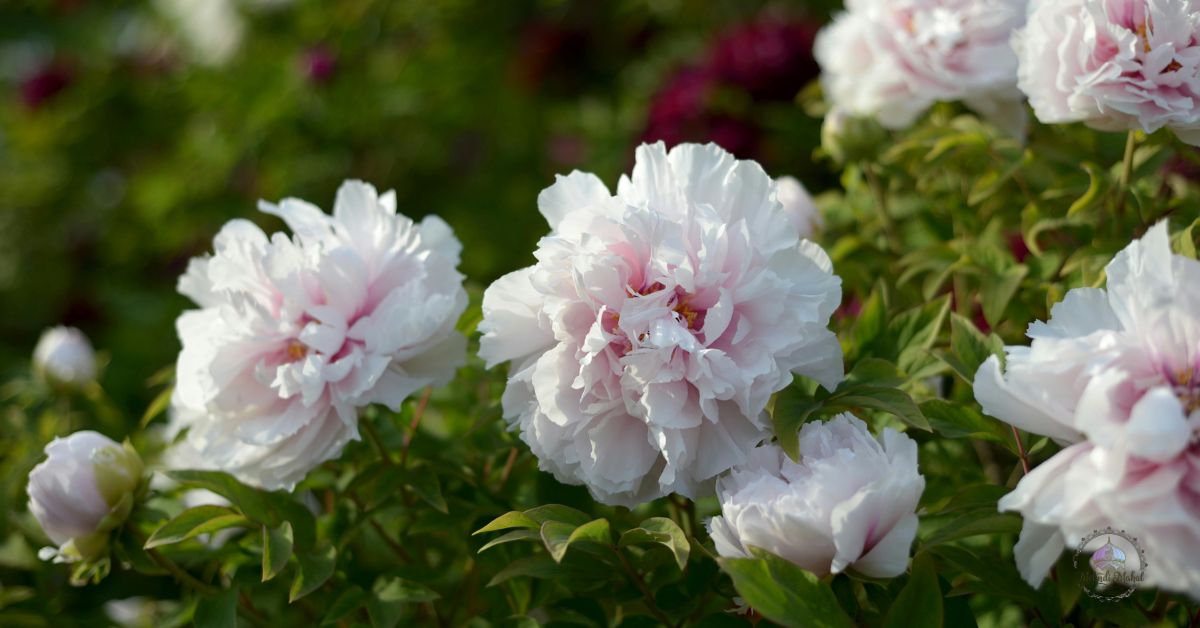
Best Smelling Flowers: 25+ Most Fragrant Flowers for Your Garden
Imagine stepping into your backyard on a warm evening. The air wraps around you like a perfumed blanket. Fragrant flowers transform ordinary gardens into sensory sanctuaries. This comprehensive guide reveals what are the best smelling flowers and how you can create a moon garden filled with aromatic flowers that fill the air with fragrance. Whether you’re seeking spring fragrant flowers or night blooming fragrant flowers, you’ll discover varieties that suit every climate and space.
American gardeners increasingly prioritize scent when selecting blooms. The perfume industry has long understood what home gardeners now embrace—flower fragrance creates emotional connections that visual beauty alone cannot achieve. From rose perfume oil extracted in ancient Mesopotamia to modern aromatherapy applications, humans have treasured scented blooms for millennia. This article provides actionable advice for transforming your landscape into a fragrant paradise. You’ll learn how to grow fragrant flowers successfully, regardless of your experience level or garden size.
Why Fragrant Flowers Matter in Your Garden
Garden flowers with captivating scents offer far more than aesthetic appeal. These botanical treasures enhance wellbeing through olfactory stimulation that reduces stress and evokes nostalgia. Scientific research confirms that certain floral fragrance compounds trigger dopamine release in the brain. Walking through beds of lavender or gardenia becomes a therapeutic experience. The essential oils within flower petals contain complex aromatic molecules that interact with our limbic system. This biological response explains why a whiff of lilac instantly transports many people to childhood memories.
Beyond personal enjoyment, fragrance flowers serve crucial ecological functions. These blooms attract pollinators including bees, butterflies, and hummingbirds more effectively than scentless varieties. The sweet fragrance acts as a biological beacon, guiding beneficial insects to nectar sources. Honeybees particularly favor intense fragrance from flowers like heliotrope and sweet alyssum. When you plant fragrant flowers, you’re creating habitat that supports biodiversity. Many scented blooms also deter harmful pests naturally, reducing chemical pesticide needs through companion planting strategies that protect your entire landscape.
The Science Behind Flower Fragrance
Understanding why flowers emit fragrance illuminates their evolutionary brilliance. Plants produce volatile organic compounds within specialized cells called osmophores. These structures concentrate in flower petals and release aromatic molecules as temperatures rise. The honey scent of sweet pea or citrus scent of orange blossom results from dozens of chemical compounds working synergistically. Some flowers produce lemony fragrance through limonene, while others create spicy fragrance using eugenol compounds. Temperature dramatically affects scent intensity—warm afternoons release exponentially more fragrance than cool mornings.
The complexity of natural flower scent surpasses synthetic recreations. A single rose bloom contains over 400 volatile compounds contributing to its signature aroma. This chemical symphony explains why even master perfumers struggle replicating nature’s seductive fragrance. Moonflower and nicotiana demonstrate circadian scent patterns, intensifying their sweet scent after sunset to attract night-flying moths. This adaptation showcases the sophisticated relationship between plants and their pollinators, refined over millions of evolutionary years.
Benefits of Growing Scented Blooms
Cultivating most fragrant flowers transforms outdoor living spaces into aromatic retreats. Property values increase when landscapes incorporate sensory elements beyond visual appeal. Real estate professionals note that fragrant flowers for garden installations significantly boost curb appeal during selling seasons. The psychological benefits prove equally valuable—studies document reduced cortisol levels among people who spend time near aromatic flowers. Creating dedicated fragrance zones near patios or bedroom windows maximizes these therapeutic effects. Many homeowners position climbing flowers/vines like honeysuckle near outdoor seating areas specifically for this reason.
Cut flowers with strong scents extend garden enjoyment indoors year-round. Varieties like freesia and hyacinth provide exceptional vase life while releasing clean fragrance throughout rooms. The economic advantage shouldn’t be overlooked either—many best smelling flowers for bouquet purposes cost significantly less when homegrown versus purchased. Sustainable gardeners appreciate that perennial flowers return annually without replanting. Old-fashioned flowers such as peony and lilac often offer superior fragrance compared to modern hybridized varieties bred primarily for appearance. This makes heirloom cultivar selection particularly rewarding for scent-focused gardeners.
| Benefit Category | Specific Advantages | Notable Flowers |
| Wellness | Stress reduction, mood elevation | Lavender, Rose, Jasmine |
| Ecological | Pollinator habitat, biodiversity | Heliotrope, Sweet Alyssum |
| Economic | Reduced floral purchases, property value | Peony, Lilac, Gardenia |
| Aesthetic | Multi-sensory landscapes | All fragrant varieties |
How to Choose the Right Fragrant Flowers
Successful scent gardening begins with understanding your specific growing conditions. Climate determines which perfume flowers will thrive versus struggle in your landscape. USDA hardiness zones provide essential guidance for selecting appropriate varieties. A gardenia planted in Zone 5 will perish during winter, while lilac planted in Zone 10 won’t receive sufficient chilling hours to bloom. Matching plants to your zone prevents disappointment and wasted investment. Your local cooperative extension service offers free zone maps and personalized recommendations for flowers that smell good in your region.
Microclimate assessment proves equally critical. Observe sun patterns throughout seasons before committing to full sun or part shade varieties. Southern exposures receive intense heat that some fragrant flowers tolerate better than others. Lavender and rose flourish in bright conditions, while lily of the valley prefers dappled light under shade tolerant shrub canopies. Soil testing reveals pH levels and drainage characteristics that influence plant health. Well drained soil prevents root rot in sensitive species like gardenia, whereas moist soil benefits sweet pea and hyacinth during active growth. Understanding these fundamental parameters before purchasing plants dramatically increases success rates.
Understanding Your USDA Hardiness Zone
The USDA plant hardiness zone system divides North America into 13 zones based on average annual minimum temperatures. This classification helps gardeners select plants capable of surviving local winters. Lily of the valley thrives in zones 3-8, tolerating brutal cold that would kill tender southern magnolia. Conversely, tropical gardenia demands zones 8-11 and cannot endure hard freezes. Many catalogs and nurseries clearly label each plant’s appropriate zones, simplifying selection for beginners. Zone boundaries shift as climate patterns evolve, so consulting updated maps ensures accuracy.
Microclimates within your property may vary by one or two zones from official designations. South-facing brick walls create warm pockets allowing zone-pushing experiments with borderline-hardy specimens. Experienced gardeners exploit these variations to grow marginally hardy fragrance flowers successfully. Southern countryside locations often provide longer growing seasons than northern suburbs within the same official zone. Urban heat islands raise effective zones compared to rural areas at identical latitudes. These nuances matter when selecting premium scented blooms representing significant investment in both money and time.
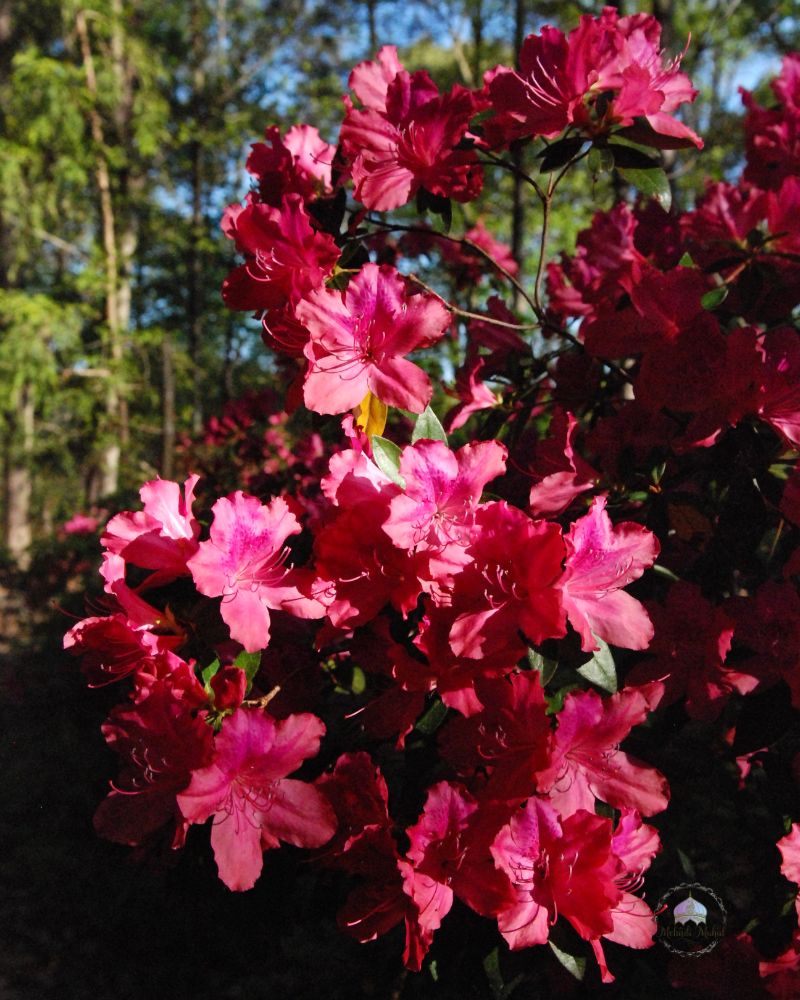
small colourful shrubs
Assessing Your Garden Conditions
Sunlight availability ranks among the most influential factors determining plant success. Full sun means six-plus hours of direct light daily—ideal for annual flowers like nicotiana and drought-tolerant lavender. Part shade describes locations receiving 3-6 hours of sun, suitable for shade flowering bushes like certain hydrangea varieties. Dense shade under mature trees limits options to woodland natives such as sweet violet. Measuring actual light exposure throughout growing seasons prevents mismatches between plant requirements and available conditions. Many gardeners mistakenly overestimate their sunlight, selecting inappropriate specimens.
Soil composition profoundly affects nutrient availability and moisture retention. Clay soils hold water but drain poorly, risking root rot in sensitive small bushes and perennial flowers. Sandy soils drain quickly but require frequent irrigation and fertilization. Ideal loamy soil blends sand, silt, and clay particles with abundant organic matter. Most best smelling flowers prefer slightly acidic to neutral pH (6.0-7.0), though gardenia demands more acidic conditions. Simple soil test kits provide pH readings and amendment recommendations within minutes. Adding compost improves virtually any soil type, enhancing both drainage in clay and water retention in sand.
Matching Fragrance Intensity to Location
Strategic placement maximizes olfactory impact while preventing overwhelming concentrations. Flowers with intense fragrance like tuberose or oriental lily suit spaces where you’ll linger—patios, benches, or entryways. Their powerful musky fragrance can overwhelm dining areas if positioned too closely. Conversely, subtle bloomers such as sweet alyssum work beautifully along pathways where brushing releases gentle scent. Night blooming fragrant flowers belong near evening gathering spots rather than areas used primarily during daylight. Moonflower and nicotiana positioned beside screened porches reward summer evenings with lemony fragrance and clean perfume.
Container mobility allows experimenting with placement before permanent installation. Potted gardenia or rose bushes can relocate easily if initial positions prove suboptimal. This flexibility proves particularly valuable for renters or those uncertain about landscape design. Low maintenance bushes with moderate scent intensity provide reliable backgrounds without demanding constant attention. Layering different fragrance strengths creates depth without monotony—bold bloomers as focal points surrounded by gentler scented companions. This design principle mirrors perfume composition, where base, middle, and top notes combine harmoniously.
| Location Type | Recommended Intensity | Ideal Flowers |
| Patios/Seating | Strong to intense | Gardenia, Tuberose, Jasmine |
| Pathways | Light to moderate | Sweet Alyssum, Dianthus |
| Bedroom Windows | Moderate to strong | Rose, Lavender, Stock |
| Entry Gardens | Moderate | Hyacinth, Freesia, Lilac |
Best Smelling Flowers by Season
Seasonal succession ensures year-round floral fragrance rather than fleeting bursts. Strategic planning delivers continuous scent from early spring bloomer varieties through final autumn flowers. Understanding bloom timing prevents gaps where gardens lack aromatic interest. Spring fragrant flowers emerge when gardens awaken from winter dormancy, their clean fragrance signaling renewal. Summer blooming varieties provide peak season abundance when outdoor living intensifies. Fall brings nostalgic scents from late-season bloomers, while winter offers opportunities for forced bulbs indoors. This temporal diversity enriches gardens far beyond single-season displays.
Climate zones dramatically influence specific timing within these broad seasonal categories. Southern gardeners enjoy spring bloomer bulbs in February, while northern zones wait until April or May. Frost-free regions support tender perfume flowers impossible elsewhere. Conversely, cold-climate gardeners access spectacular varieties requiring vernalization—extended cold exposure triggering flowering mechanisms. Lilac and peony demonstrate this phenomenon, producing inferior blooms in warm climates lacking sufficient winter chill. Matching seasonal expectations to your local climate prevents disappointment and capitalizes on regional advantages.
shade flowers and shrubs
Spring Fragrant Flowers (March-May)
Spring’s aromatic awakening begins with hyacinth bulbs planted previous autumn. These early spring bloomer varieties push through cold soil, releasing intense fragrance that belies their compact stature. Single hyacinth bulbs perfume entire rooms when forced indoors during late winter. Outdoor plantings do well in containers or mixed borders alongside tulips and daffodils. The sweet scent carries crisp, almost soapy notes that smell distinctly of spring itself. Dutch hybrids offer the strongest fragrance, available in purple, pink, white, and blue cultivars.
Summer Aromatic Blooms (June-August)
Summer’s heat intensifies flower scent production, particularly during afternoon hours. Rose cultivars dominate warm-season fragrance gardens, offering diversity unmatched by other genera. David Austin English roses combine old-fashioned flowers appearance with disease resistance and repeat blooming. ‘Graham Thomas’ produces apricot blooms with rich tea rose fragrance, while ‘Gertrude Jekyll’ delivers classic damask perfume. Hybrid tea roses like ‘Mister Lincoln’ offer stunning form alongside powerful scent. Deadheading spent blooms encourages continuous flowering through frost, extending their aromatic contribution.
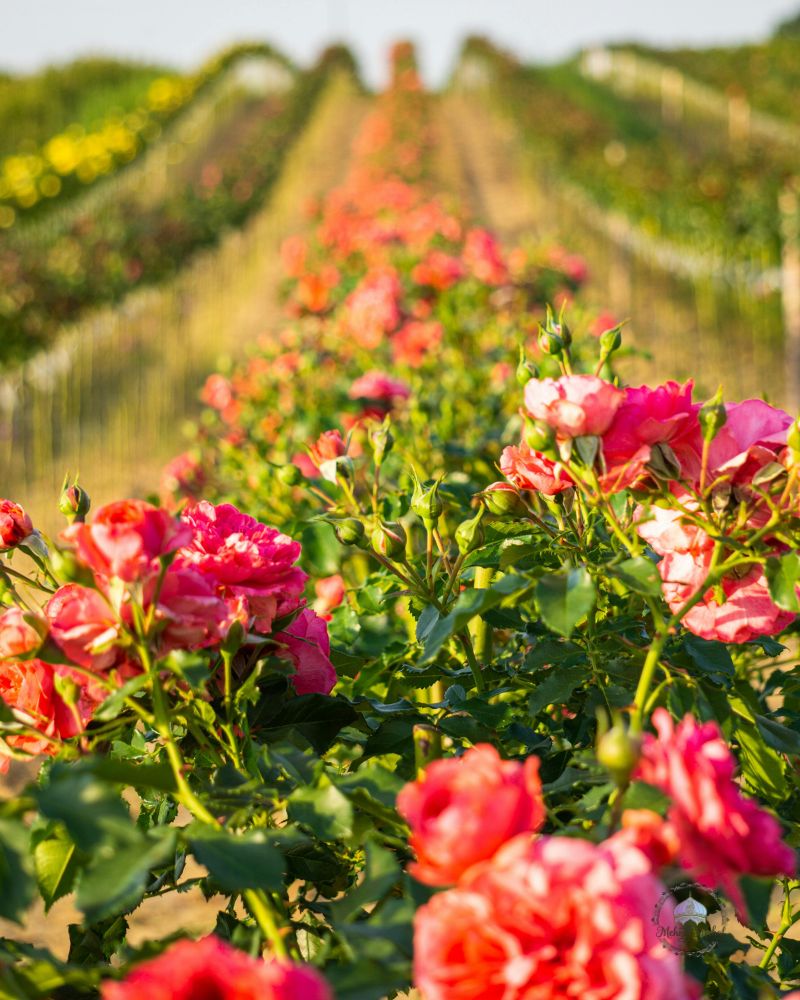
all summer bloom flowers
Gardenia shrubs reach peak performance during summer in southern zones. Their creamy white blooms release seductive fragrance combining jasmine-like sweetness with musky undertones. This subtropical evergreen demands acidic soil, consistent moisture, and protection from hard freezes. Container culture allows northern gardeners enjoying summer gardenia blooms outdoors before moving pots inside autumn. Lavender blooms throughout summer, its herbaceous spikes attracting countless bees while releasing distinctive clean perfume. English lavender (Lavandula angustifolia) proves hardiest, while Spanish and French types offer visual variety. Harvesting stems before full bloom captures maximum essential oils for sachets and culinary applications.
Fall Scented Varieties (September-November)
Autumn’s cooler temperatures don’t mean sacrificing flower fragrance. Late-blooming roses experience resurgence after summer’s heat stress, often producing their most intensely scented flowers. Sweet alyssum reseeds prolifically, providing continuous carpets of tiny white or purple blooms releasing honey scent. This easy to grow annual thrives in cool weather, performing better during fall than midsummer. It works beautifully as edging along pathways or cascading from window boxes.
Nicotiana (flowering tobacco) continues blooming until hard frost in many regions. This tender perennial grown as annual releases intense fragrance primarily during evening hours. The trumpet-shaped flowers open in white, lime green, pink, or burgundy depending on cultivar. Taller varieties reach 5 feet, creating dramatic backgrounds in mixed borders. Shorter selections suit container culture or front-of-border positions. The night blooming fragrant flowers characteristic makes nicotiana essential for moon garden designs. Some gardeners position them strategically near outdoor dining areas to enhance September entertaining with natural perfume.
Winter Fragrant Options (December-February)
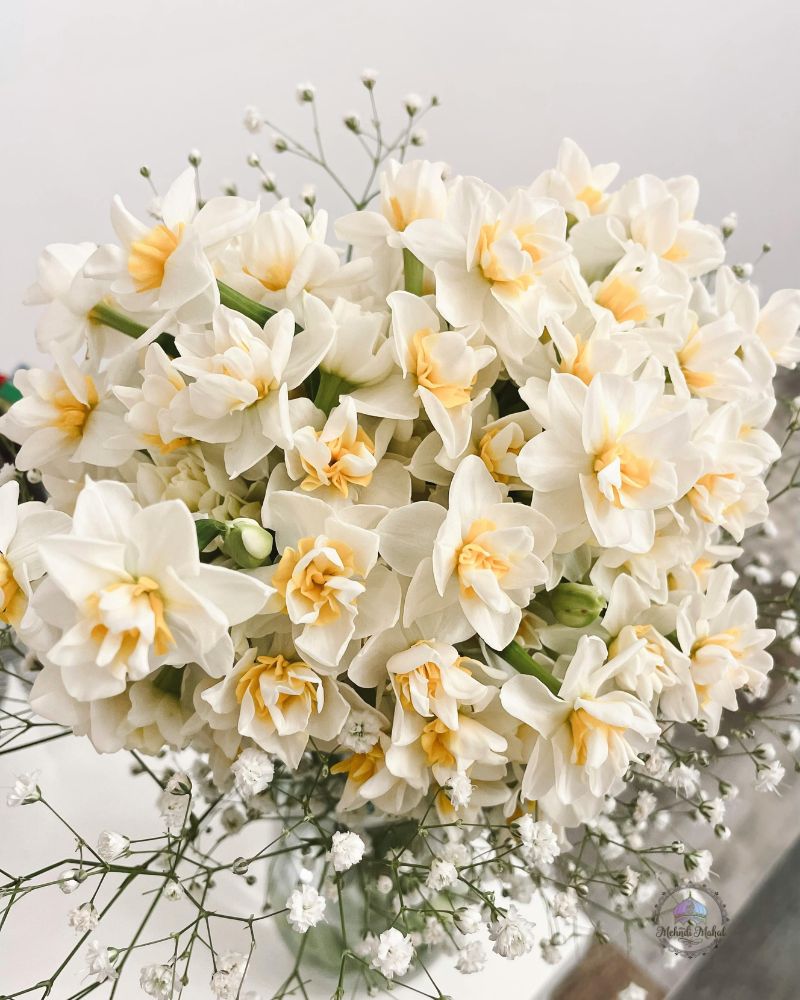
Winter fragrant flowers challenge cold-climate gardeners but reward persistence. Paperwhite narcissus (Narcissus papyraceus) forces easily indoors without cold treatment. These tender bulbs produce clusters of white flowers with powerful sweet scent—sometimes too strong for sensitive noses in confined spaces. Planting bulbs at two-week intervals ensures continuous winter blooms. They require only water, no soil, making them perfect gifts or children’s projects.
Winter daphne (Daphne odora) blooms during February through early spring in zones 7-9. This evergreen shrub produces clusters of pink-tinged white flowers releasing spicy fragrance detectable from considerable distances. The scent carries on cool air, perfuming entire garden areas during late winter’s bleakness. Variegated cultivars offer year-round foliage interest beyond flowering season. Witch hazel (Hamamelis species) produces spidery flowers on bare branches during January through March. The citrus scent with hints of floral sweetness withstands freezing temperatures. These large shade tolerant shrub specimens eventually reach 15 feet, providing architectural interest beyond their fragrant contributions. Native species suit naturalized settings, while Asian hybrids offer expanded color ranges including copper and burgundy tones.
| Season | Peak Months | Featured Flowers | Fragrance Profile |
| Spring | March-May | Hyacinth, Lilac, Lily of Valley | Clean, sweet, fresh |
| Summer | June-August | Rose, Gardenia, Lavender, Peony | Rich, complex, intense |
| Fall | September-November | Late Rose, Nicotiana, Sweet Alyssum | Honey, spice, musk |
| Winter | December-February | Paperwhites, Witch Hazel, Winter Daphne | Citrus, spicy, sweet |
Top 10 Most Popular Fragrant Flowers
Certain aromatic flowers achieve universal popularity through exceptional scent combined with garden performance. These proven varieties suit diverse climates and skill levels. Beginning gardeners gain confidence starting with reliable classics rather than finicky specimens. The following selections represent tried-and-tested favorites appearing consistently in fragrance gardens nationwide. Each offers distinct flower scent characteristics while providing reliable blooming and manageable care requirements.
Popularity reflects more than mere familiarity. These varieties dominate because they deliver consistent results across varying growing conditions. They’ve survived decades or centuries of cultivation, proving their adaptability. Many serve multiple purposes—cut flowers, landscape specimens, and pollinator magnets simultaneously. Their fragrances have shaped the perfume industry, appearing in countless commercial scents. Understanding what makes these particular flowers beloved helps gardeners make informed selections for their own landscapes.
1: Rose – The Quintessential Scented Bloom
Rose reigns supreme among fragrant flowers worldwide. Over 150 species and thousands of cultivars provide astounding diversity in form, color, and scent. Old garden roses like damasks and albas offer the most powerful floral fragrance, though many lack disease resistance or repeat blooming. Modern David Austin English roses bridge this gap, combining vintage appearance and scent with improved vigor. ‘Munstead Wood’ produces crimson blooms with rich old-rose perfume, while ‘The Generous Gardener’ offers soft pink flowers with myrrh fragrance.
Growing conditions for roses include full sun exposure (six-plus hours daily), well drained soil enriched with organic matter, and consistent moisture during active growth. USDA hardiness zones 5-9 accommodate most varieties, though some tolerate colder or warmer extremes. Proper air circulation prevents fungal diseases, so avoid crowding plants. Granular rose fertilizers applied in early spring, after first bloom, and midsummer support vigorous flowering. Deadheading spent blooms throughout the season encourages continuous production. The effort invested in rose cultivation pays dividends through months of best smelling flowers for bouquet material and garden perfume. Rose perfume oil extracted from petals has anchored fine fragrances for millennia, demonstrating this flower’s enduring olfactory appeal.
2: Lavender – The Aromatherapy Favorite
Lavender combines visual beauty with exceptional flower fragrance and medicinal properties. This Mediterranean native thrives in well drained soil and full sun, demonstrating remarkable drought tolerance once established. English lavender (Lavandula angustifolia) proves hardiest, surviving zone 5 winters with protection. French and Spanish lavenders offer showier flower spikes but tolerate less cold. The herbaceous clean perfume contains linalool and linalyl acetate—compounds studied extensively for anxiety reduction.
Aromatherapy applications utilize lavender essential oils in everything from sleep aids to cleaning products. Harvesting stems when one-third of flowers have opened captures peak oil concentration. Bundles hung upside-down in dark, ventilated spaces dry perfectly for sachets and crafts. Lavender requires minimal fertilization—excess nitrogen reduces flowering and fragrance intensity. These low maintenance bushes demand only occasional pruning and adequate drainage. Their gray-green foliage provides textural contrast in mixed borders even when not blooming. Lavender suits herb garden settings, Mediterranean landscapes, and cottage garden schemes equally well. Bees adore the nectar-rich flowers, making lavender plantings exceptional for attracting pollinators.
3: Gardenia – The Southern Belle
Gardenia represents fragrance flowers at their most intoxicating. The creamy white petals release musky fragrance combining jasmine-like sweetness with tropical richness. This evergreen shrub demands specific growing conditions—acidic soil (pH 5.0-6.5), consistent moisture, high humidity, and protection from temperature extremes. Southern gardeners in zones 8-11 grow gardenia as landscape shrubs, where plants reach 6 feet tall. Northern gardeners succeed with container culture, overwintering plants indoors near bright windows.
Gardenia blooms appear primarily in late spring through summer, though some varieties rebloom sporadically. The flowers emerge as tight spiraled buds opening into layered petals that bruise easily. Indoor gardenia cultivation challenges even experienced gardeners—plants demand bright indirect light, humidity above 50%, and protection from drafts. Bud drop frustrates when environmental conditions fluctuate. Despite these difficulties, the incomparable seductive fragrance rewards persistent growers. A single bloom perfumes entire rooms for days. Gardenia has inspired countless perfumes, though synthetic recreations rarely capture the full complexity. Chanel’s iconic Gardenia fragrance attempts this challenging feat using multiple floral absolutes blended to approximate the natural scent.
4: Jasmine – The Exotic Climber
Jasmine encompasses over 200 species, many featuring exceptional flower scent. True jasmine (Jasminum species) differs from star jasmine (Trachelospermum jasminoides), though both offer lovely fragrance. Common jasmine (Jasminum officinale) produces small white flowers releasing intense fragrance especially powerful during evening. This vigorous climbing flowers/vines specimen quickly covers arbors, trellises, and fences. USDA hardiness zones 7-10 support outdoor cultivation, while colder regions require container growing with winter protection.
Arabian jasmine (Jasminum sambac) provides the classic scent used in jasmine tea and perfumes. This tropical shrubby vine demands zones 9-11 or indoor cultivation. The rounded white flowers release sweet scent intensifying at night to attract pollinators—primarily moths in native habitats. Jasmine requires moist soil and regular feeding during active growth. The climbing flowers reach 10-15 feet given adequate support structures. Winter jasmine (Jasminum nudiflorum) offers cold hardiness to zone 6, though its bright yellow flowers carry minimal scent. For pure floral fragrance, common and Arabian varieties reign supreme. Their contribution to the perfume industry spans centuries, with jasmine absolute remaining among the most expensive natural extracts.
5: Peony – The Spring Showstopper
Peony blooms deliver spectacular spring displays with ruffled petals in shades from white through coral to deep magenta. The fragrance varies dramatically between varieties—some emit pure rose-like scent, others carry citrus scent notes, and a few offer almost spicy fragrance. Double-flowered varieties generally produce stronger perfume than single-petaled types. ‘Sarah Bernhardt’ combines soft pink blooms with powerful sweet scent, while ‘Festiva Maxima’ offers white petals flecked with crimson and intense fragrance.
These herbaceous perennial flowers die back completely each winter, reemerging reliably each spring in zones 3-8. Peony demands winter cold for proper bud formation—warm-climate gardeners experience disappointing results. Once established, plants live fifty-plus years with minimal intervention, making them exceptional garden investments. The massive blooms require staking in many cases, as rain-soaked petals weigh down stems. Ants frequently crawl over developing buds, attracted to sweet secretions, but cause no harm. Peony makes exceptional cut flowers, though stems require cutting just as buds show color for longest vase life. The combination of visual impact and memorable flower scent explains peony‘s enduring popularity in old-fashioned flowers and modern gardens alike.
6: Sweet Pea – The Cottage Garden Classic
Sweet pea (Lathyrus odoratus) produces delicate flowers belying their powerful honey scent with orange blossom undertones. This cool-season annual vine climbs 6-8 feet using tendrils, covering fences and trellises with blooms in virtually every color. Heirloom varieties offer the strongest fragrance, while modern hybrids emphasize heat tolerance and larger flowers sometimes at fragrance expense. ‘Cupani’ represents the original 1699 variety—bicolor purple blooms with exceptional scent. ‘Matucana’ offers similar coloring and perfume in a slightly more vigorous package.
Growing conditions favor cool weather—sweet pea performs best when planted in early spring or late summer/fall in mild climates. Seeds benefit from overnight soaking before sowing to speed germination. Plants demand full sun and consistent moisture, struggling during prolonged heat. Regular cutting for bouquets encourages continued bloom production throughout the season. Allowing pods to form signals plants to cease flowering. The more you cut, the more blooms appear—making sweet pea perfect for those who bring fragrance indoors regularly. These annual flowers self-seed readily in favorable conditions, returning year after year without replanting. The combination of easy cultivation, extended bloom period, and exceptional floral fragrance secures sweet pea‘s position among most fragrant flowers.
| Flower | Hardiness Zones | Fragrance Type | Bloom Season | Height |
| Rose | 5-9 | Varies (tea, myrrh, fruit) | Summer-Fall | 3-6 feet |
| Lavender | 5-9 | Herbal, clean | Summer | 2-3 feet |
| Gardenia | 8-11 | Musky, sweet | Spring-Summer | 4-6 feet |
| Jasmine | 7-10 | Intense floral | Summer | 10-15 feet |
| Peony | 3-8 | Rose-like, citrus | Late Spring | 2-3 feet |
| Sweet Pea | Annual | Honey, orange | Spring-Summer | 6-8 feet |
| Lilac | 3-7 | Sweet, indolic | Spring | 8-15 feet |
| Hyacinth | 4-8 | Clean, sweet | Early Spring | 10-12 inches |
| Tuberose | 8-11 | Heady, narcotic | Late Summer | 2-3 feet |
| Stock | Annual | Spicy, clove | Spring/Fall | 1-2.5 feet |
White Fragrant Flowers
White blooms offer timeless elegance while delivering some of nature’s most captivating scents. These pristine perfume flowers suit formal gardens, moon gardens, and bridal landscapes. The clean fragrance associated with many white flowers stems from their reliance on nocturnal pollinators. Moths and bats navigate using scent in darkness, so white flowers evolved intense fragrance alongside their pale coloration. This combination creates magical nighttime gardens where luminous blooms glow against dark foliage while releasing waves of perfume.
White fragrant flowers provide sophisticated focal points without competing visually with colorful neighbors. They unify mixed borders, offering cohesion amid diverse hues. Many gardeners create dedicated white gardens inspired by Vita Sackville-West’s famous example at Sissinghurst Castle. These monochromatic spaces rely heavily on texture, form, and scent for interest. The following selections represent premier white scented blooms spanning multiple plant categories and bloom seasons. Each contributes unique flower fragrance while maintaining the ethereal quality associated with white flowering plants.
Gardenia produces glossy evergreen foliage year-round, punctuated by creamy white blooms releasing musky fragrance during warm months. This southern favorite demands acidic soil and consistent moisture, struggling in alkaline conditions. Compact varieties like ‘Radicans’ suit small bushes requirements for container culture or foundation plantings. Standard types eventually reach 6 feet tall and wide, creating substantial evergreen presence. The flowers emerge as tight spiraled buds, unfurling into layered petals that bruise easily. Indoor specimens demand bright indirect light and high humidity—misting foliage daily helps prevent bud drop. Gardenia has captivated perfumers for centuries, though natural extraction proves expensive. Synthetic molecules like methyl anthranilate and styrallyl acetate approximate the scent in commercial fragrances.
Purple and Blue Scented Flowers
Cool-toned blooms create calming garden atmospheres while offering diverse flower scent profiles. Purple annual flowers and perennial blue bloomers suit cottage gardens, Mediterranean landscapes, and contemporary designs equally well. The pigments producing purple and blue coloration—anthocyanins—serve plants beyond mere aesthetics. These compounds offer UV protection and temperature regulation benefits. Interestingly, blue remains the rarest flower color in nature, making true blue fragrant flowers particularly treasured. Most “blue” flowers actually display violet or lavender hues when examined closely.
Lavender spikes define summer with their herbaceous clean perfume and gray-green foliage. This Mediterranean native demands excellent drainage and full sun, resenting wet feet during winter. English lavender (Lavandula angustifolia) proves hardiest to zone 5, while French (L. stoechas) and Spanish (L. dentata) types require milder climates. The fragrance comes primarily from linalool and linalyl acetate within essential oils concentrated in flowers and foliage. Harvesting stems when flowers begin opening captures peak oil content. Bundles hung upside-down in ventilated darkness dry perfectly for sachets and culinary uses. Lavender suits herb garden settings, rockeries, and Mediterranean schemes. The flowers attract pollinators enthusiastically—bees work lavender blooms from dawn until dusk during flowering peaks.
Pink and Red Aromatic Flowers
Warm-toned blooms inject passion and romance into gardens while delivering memorable floral fragrance. Pink shades range from delicate blush through vibrant magenta, each suited to different design schemes. Red flowers make bold statements, their intensity demanding careful placement to avoid overwhelming companions. These hot hues attract hummingbirds and butterflies more effectively than cool tones—pollinators respond strongly to red and pink flower signals. The following selections represent premier warm-colored scented blooms spanning multiple categories.
Rose cultivars dominate pink and red fragrance discussions. David Austin’s ‘Gertrude Jekyll’ produces deep pink blooms with powerful old-rose fragrance—named “most fragrant rose” by British rose enthusiasts. This vigorous shrub reaches 5 feet tall, suitable for mixed borders or specimen planting. ‘Munstead Wood’ offers velvety crimson flowers with rich perfume combining old rose and fruit notes. Hybrid tea ‘Mister Lincoln’ remains the fragrance standard among red roses—its deep red blooms release classic damask scent. Floribunda ‘Scentimental’ features striped red-and-white petals with spicy fragrance. Climbing roses like ‘New Dawn’ provide vertical interest with pale pink blooms and apple-scented fragrance. The diversity within rose genus ensures suitable options for virtually any fragrance flowers need.
| Flower | Color Range | Fragrance Notes | Best Use |
| Rose | All pink-red shades | Varies by cultivar | Mixed borders, specimens |
| Peony | Blush to deep red | Rose, citrus, spice | Spring focal points |
| Dianthus | Pink, red, white | Clove, spicy | Edging, rock gardens |
| Sweet Pea | Pink, red, purple | Honey, orange | Cutting gardens, arbors |
| Carnation | Pink, red, salmon | Clove, spicy | Borders, containers |
Yellow and Orange Fragrant Blooms
Sunny-hued flowers inject cheerfulness while offering unique flower scent profiles often featuring citrus scent components. Yellow blooms symbolize friendship and joy, their brightness visible from considerable distances. Orange flowers bridge warm and cool palettes, working harmoniously with both. These vibrant shades attract butterflies and hummingbirds enthusiastically. The following selections represent exceptional yellow and orange fragrant flowers spanning multiple plant categories and bloom seasons.
Freesia corms produce elegant flowers with sweet scent often described as fruity or peppery. Yellow and orange varieties share equal fragrance intensity with their pastel counterparts. ‘Yvonne’ offers bright yellow blooms, while ‘Orange Favorite’ delivers vibrant coral-orange tones. The complex flower fragrance has challenged perfumers for decades—no synthetic fully captures freesia‘s unique scent profile. Natural extraction proves expensive due to low oil yields. Many perfumes pair freesia with lily of the valley or magnolia to create approximations. These South African natives demand well drained soil and full sun, thriving in zones 9-10. Colder-climate gardeners succeed treating freesia like gladiolus—planting corms spring, digging before frost, storing dormant over winter.
Night-Blooming Fragrant Flowers
Gardens transform after sunset when nocturnal bloomers release their most powerful scents. These specialized night blooming fragrant flowers evolved attracting moths, bats, and other pollinators active during darkness. White or pale coloration combines with intense fragrance to guide visitors toward nectar sources. Designing dedicated moon gardens amplifies this magical phenomenon. Strategic placement near patios, porches, or bedroom windows maximizes enjoyment of evening perfume. The following selections represent premier night-scented options for creating atmospheric after-dark gardens.
Moonflower (Ipomoea alba) opens iridescent white trumpets at dusk, their spiraled buds unfurling within minutes. This transformation mesmerizes observers—watching flowers open provides engaging entertainment for summer evenings. The blooms release lemony fragrance intensifying as darkness deepens. Sphinx moths visit frequently, their long proboscises perfectly adapted for accessing nectar deep within trumpet throats. This vigorous annual vine quickly covers structures, reaching 15 feet in single seasons. Moonflower seeds feature hard coats benefiting from filing or overnight soaking before planting. Growing conditions include full sun and average soil—excessive fertility produces foliage at bloom expense. Plants self-seed readily in favorable climates, returning without replanting efforts.
Fragrant Climbing Flowers and Vines
Vertical fragrant flowers
maximize limited ground space while creating living walls of scent. Climbing flowers/vines soften fences, screens, and architectural elements with textured foliage and blooms. Strategic training encourages growth where desired—over arbors, along pergolas, or up trellises. These plants require initial guidance and support structures, but reward minimal effort with substantial presence. The following selections represent exceptional scented blooms providing vertical interest combined with memorable flower fragrance.
Climbing rose
varieties offer fragrance at elevated positions where scent disperses effectively. ‘New Dawn’ produces pale pink flowers with apple-scented fragrance on vigorous, disease-resistant canes. This hardy climber suits zones 5-9, tolerating various growing conditions. ‘Zephirine Drouhin’ features deep pink blooms with raspberry scent on nearly thornless stems—appreciated where traffic passes closely. ‘Eden’ displays cupped pale pink flowers with old-rose fragrance, suitable for pillar or wall training. Rambling roses produce cascading growth suitable for training into trees or over large structures. ‘Albertine’ generates clouds of coppery-pink blooms with intense sweet scent during a spectacular but brief June flowering. Most climbing rose types require annual pruning, tying, and training to maintain desired shapes and encourage flowering.
Honeysuckle
vines release honey scent detectable from considerable distances. Japanese honeysuckle (Lonicera japonica) proves invasive in many regions—avoid planting this aggressive spreader. Native trumpet honeysuckle (L. sempervirens) offers red or orange tubular flowers with lighter scent but exceptional hummingbird appeal. Goldflame honeysuckle (L. × heckrottii) combines pink-and-yellow flowers with moderate fragrance and restrained growth suitable for small gardens. The vining growth quickly covers fences and arbors, providing privacy screens alongside floral fragrance. Honeysuckle tolerates part shade well, making it suitable for woodland edges or north-facing exposures. These low maintenance vines require minimal care once established. Annual pruning controls size and encourages vigorous flowering wood production.
Fragrant Shrubs and Trees
Woody plants provide landscape structure while delivering flower fragrance at elevated positions. Shade flowering bushes and flowering trees offer year-round presence through their branches, adding seasonal interest beyond bloom times. These substantial specimens anchor gardens, providing backdrops for smaller perennial flowers and annual flowers. The following selections represent exceptional fragrant flowers on woody plants suitable for various landscape applications.
| Plant Type | Name | Bloom Time | Height | Zones |
| Shrub | Lilac | May | 8-15 feet | 3-7 |
| Shrub | Mock Orange | June | 6-10 feet | 4-8 |
| Shrub | Viburnum | April-May | 6-8 feet | 4-8 |
| Shrub | Daphne | Feb-May | 3-5 feet | 5-9 |
| Tree | Southern Magnolia | May-July | 60-80 feet | 7-9 |
Low-Maintenance Fragrant Flowers
Busy gardeners appreciate fragrant flowers delivering maximum impact with minimal effort. Low maintenance bushes and perennial flowers return reliably without constant attention. These tough performers tolerate occasional neglect, irregular watering, and less-than-ideal conditions while maintaining beautiful displays. The following selections represent exceptional easy to grow options for time-constrained gardeners seeking scented blooms without intensive care requirements.
Fragrant Flowers for Containers and Small Spaces
Limited space shouldn’t preclude enjoying flower fragrance. Container cultivation allows apartment dwellers and urban gardeners experiencing scented blooms despite lacking traditional garden beds. Strategic placement maximizes impact—positioning potted perfume flowers near seating areas, entryways, or windows where you’ll appreciate them most. Containers offer mobility advantages, allowing experimentation with placement before permanent commitments. The following selections represent exceptional fragrant flowers that do well in containers while delivering powerful perfume from compact footprints.
Dwarf gardenia cultivars suit container culture beautifully. ‘Radicans’ remains compact at 2-3 feet while producing full-sized flowers with classic musky fragrance. ‘Buttons’ stays even smaller, offering miniature blooms on 12-inch plants. These evergreen small bushes demand consistent care—acidic soil, regular moisture, high humidity, and protection from temperature extremes. Container growing simplifies meeting these requirements compared to garden installations. Use acid-based potting mixes amended with peat moss or pine bark. Feed regularly with fertilizers formulated for acid-loving plants. Container gardenia can summer outdoors then move inside before frost threatens. Bright indirect light suits indoor positioning—southern or western windows work well. The incomparable flower scent rewards the extra attention these temperamental beauties demand.
| Plant | Container Size | Sun Needs | Fragrance Type | Height |
| Dwarf Gardenia | 12-18 inch | Bright indirect | Musky, sweet | 2-3 feet |
| Compact Lavender | 10-14 inch | Full sun | Herbal, clean | 18 inches |
| Heliotrope | 8-12 inch | Full sun | Vanilla, sweet | 12 inches |
| Sweet Alyssum | 6-10 inch | Sun to part shade | Honey | 6 inches |
| Miniature Rose | 12-18 inch | Full sun | Varies by cultivar | 18-24 inches |
Indoor Fragrant Flowers and Houseplants
Year-round flower fragrance becomes possible through indoor cultivation. Indoor flowers/houseplants with scented blooms brighten winter months when outdoor gardens lie dormant. Successfully growing tropical perfume flowers indoors requires understanding their specific needs. The following selections represent exceptional choices for bringing fragrance indoors while adapting reasonably well to home environments.
Indoor gardenia cultivation challenges even experienced gardeners but rewards persistence with incomparable musky fragrance. These evergreen shrubs demand bright indirect light, high humidity above 50%, consistent temperatures between 65-70°F, and protection from drafts. Bud drop frustrates when conditions fluctuate. Position plants near bright windows without direct sun exposure. Misting foliage daily raises humidity, as does placing pots on pebble trays filled with water. Use acidic potting mix and feed regularly with acid-specific fertilizers. Despite difficulties, a single gardenia bloom perfumes entire rooms for days. The extraordinary flower scent justifies the extra attention these temperamental beauties demand. Summer outdoor placement helps plants gain vigor before winter’s indoor challenges.
How to Plant and Care for Fragrant Flowers
Successfully cultivating fragrant flowers requires understanding fundamental horticultural principles. Proper soil preparation, planting techniques, and ongoing maintenance determine whether plants merely survive or truly thrive. The following comprehensive guidance covers essential practices for growing scented flowers regardless of specific varieties chosen. These foundational skills apply broadly across annual flowers, perennial flowers, bulbs, and woody plants.
Soil quality profoundly affects plant health and flowering. Most garden flowers prefer well drained soil enriched with organic matter. Clay soils hold excessive moisture, risking root rot in sensitive species. Amending clay with compost, aged manure, and coarse sand improves drainage while adding nutrients. Sandy soils drain too rapidly, requiring frequent irrigation. Adding compost increases water retention in sandy conditions. Testing pH reveals whether amendments are needed—most fragrant flowers prefer slightly acidic to neutral soil (6.0-7.0). Notable exceptions include gardenia and blueberries demanding more acidic conditions below 6.0. Soil test kits provide pH readings and amendment recommendations. Agricultural lime raises pH in acidic soils, while sulfur products lower pH in alkaline conditions.
| Task | Spring | Summer | Fall | Winter |
| Planting | Annuals, summer bulbs | Container plants | Spring bulbs, perennials | Bare-root plants (mild climates) |
| Fertilizing | All plants as growth starts | Annuals regularly | Bulbs, perennials | None |
| Watering | Establish new plants | Regular deep watering | Reduce frequency | Minimal |
| Pruning | Summer bloomers | Shape as needed | Remove dead wood | Spring bloomers |
Creating a Fragrant Garden Design
Strategic garden design maximizes floral fragrance impact while creating visually cohesive spaces. Thoughtful placement ensures scent reaches areas where you’ll appreciate it most. Layering varieties with different bloom times provides continuous perfume from spring through frost. The following principles guide creating fragrant gardens delivering both olfactory and visual pleasure throughout seasons.
Fragrance layering involves positioning multiple scented blooms together for synergistic effect. Combining flowers releasing different perfume types creates complex bouquets impossible from single varieties. Pair spicy-scented dianthus with sweet-scented sweet alyssum for contrasting notes. Position honey-scented sweet pea near lemony lavender for complementary citrus and floral tones. Avoid overwhelming concentrations—too many intensely fragrant flowers in confined spaces can prove unpleasant. Interplant strongly scented varieties with less fragrant specimens for balanced results. Consider bloom timing—spring hyacinth transitions to summer rose, followed by autumn nicotiana. This succession maintains continuous fragrance rather than seasonal bursts.
Attracting Pollinators with Scented Flowers
Fragrant flowers serve dual purposes—human enjoyment and ecological function. These blooms evolved attracting insects, birds, and bats ensuring plant reproduction through pollen transfer. Creating pollinator habitat benefits entire ecosystems while providing gardens with free fertilization services. The following guidance helps maximize pollinator appeal through strategic scented blooms selection and placement.
Bees rank among the most valuable pollinators, visiting flowers for nectar and pollen. They perceive colors differently than humans—blues, purples, and yellows appear most attractive. However, scent guides bees equally powerfully, especially within ultraviolet spectrum invisible to human eyes. Lavender ranks among bee favorites, its nectar-rich flowers supporting honeybee and native bee populations. Single-flowered varieties benefit pollinators more than doubles—extra petals often replace reproductive structures containing nectar and pollen. Heliotrope, catmint, and Russian sage attract bees enthusiastically throughout summer. Providing continuous bloom succession ensures food availability across entire growing seasons. Avoid pesticides including neonicotinoids proven harmful to bee populations. If pest control becomes necessary, choose organic options and spray during evening when bees aren’t actively foraging.
Common Problems with Fragrant Flowers and Solutions
Even carefully tended fragrant flowers occasionally face challenges. Understanding common problems and solutions prevents minor issues escalating into plant losses. The following troubleshooting guidance addresses frequent difficulties gardeners encounter with scented blooms.
Aphids frequently infest tender new growth on rose, peony, and many other fragrant flowers. These tiny soft-bodied insects cluster on stems and buds, sucking plant sap and excreting sticky honeydew. Minor infestations rarely threaten plant health—simply blast aphids off with strong water sprays. Severe infestations may require intervention. Insecticidal soap sprays control aphids without harming beneficial insects when applied properly. Neem oil offers organic control with systemic properties. Encouraging natural predators including ladybugs and lacewings provides long-term management. Avoid broad-spectrum insecticides killing beneficial insects alongside pests. Companion planting with sweet alyssum attracts parasitic wasps that parasitize aphids. Accepting minor aphid presence supports healthy predator populations preventing severe outbreaks.
Preserving Flower Fragrance: Drying and Storage
Capturing fleeting flower scent allows enjoying it long after blooms fade. Various preservation methods maintain fragrance with varying success. The following techniques provide options from simple to complex, allowing gardeners extending their fragrant flowers enjoyment beyond growing seasons.
Air drying represents the simplest preservation method. Harvest stems when flowers recently opened—timing proves critical for maintaining both color and scent. Cut during mid-morning after dew evaporates but before afternoon heat. Strip lower leaves and bundle 5-7 stems together with rubber bands. Hang bundles upside-down in dark, well-ventilated spaces. Darkness preserves colors while ventilation prevents mold. Drying requires 1-3 weeks depending on flower density and ambient humidity. Lavender, rose, and heliotrope maintain reasonable flower fragrance when air-dried. However, many blooms lose significant scent during this slow process. Add essential oils or fixatives to dried flowers enhancing faded perfume. Orris root powder acts as natural fixative, binding and extending fragrance molecules.
link:Cone Flowers : Complete Guide to Growing, Care, Types, and Uses
link:The World’s Best Smelling Flowers
Frequently Asked Questions About Fragrant Flowers
Q1: What are the best smelling flowers in the world?
The title “most fragrant flower” sparks endless debate among garden enthusiasts. Gardenia, tuberose, and jasmine consistently rank among top contenders for intense fragrance. Gardenia produces creamy blooms releasing musky fragrance combining jasmine-like sweetness with tropical richness. Tuberose offers narcotic perfume especially powerful evenings, its scent used extensively in fine perfumery.
Q2: Why don’t some flowers have fragrance?
Evolutionary pressures determine whether flowers invest energy producing scent. Plants relying on wind pollination produce no fragrance—they don’t need attracting insects. Grass flowers exemplify this strategy. Other flowers evolved relying primarily on visual cues rather than olfactory signals. Bright colors and patterns guide pollinators without requiring flower scent production.
Q3: Do fragrant flowers attract more bees?
Scent definitely attracts pollinators, though visual cues matter equally. Bees perceive ultraviolet patterns invisible to humans, using these guides alongside flower scent locating nectar sources. However, bees demonstrate strong fragrance preferences—lavender, heliotrope, and catmint rank among their favorites. The combination of blue-purple coloration and strong scent makes these irresistible.
Q4: Can I grow fragrant flowers indoors year-round?
Indoor cultivation allows enjoying flower fragrance regardless of outdoor weather. However, successfully growing scented flowers indoors requires meeting specific environmental needs. Gardenia and jasmine adapt to indoor life though they demand bright light, consistent temperatures, and adequate humidity. Position plants near south or west-facing windows providing maximum natural light. Supplement with grow lights during short winter days.
Q5: Which fragrant flowers bloom the longest?
Bloom duration varies enormously between species and varieties. Annual flowers often outperform perennials in total bloom time—sweet alyssum flowers continuously from spring through frost without deadheading. Reblooming rose varieties including David Austin English roses and modern shrubs produce waves of flowers from June through October.
Q6: Are fragrant flowers safe for pets?
Many popular fragrant flowers contain compounds toxic to dogs, cats, and other pets. Lily of the valley proves highly poisonous—all plant parts contain cardiac glycosides causing serious illness or death if ingested. Lilies (true Lilium species) endanger cats specifically—even small exposures cause fatal kidney failure. Gardenia contains toxic compounds affecting pets, though poisoning requires substantial ingestion.
Q7: How do I make my roses smell stronger?
Rose fragrance intensity depends on genetics, environment, and care practices. First, ensure you’re growing scented varieties—many modern hybrids lack fragrance. David Austin English roses, old garden roses, and heritage varieties generally offer superior flower scent. Environmental factors dramatically affect scent production. Cool nights followed by warm days optimize essential oils development.
Q8: What fragrant flowers grow in shade?
Shade gardening needn’t sacrifice flower fragrance. Several scented blooms tolerate or prefer reduced light. Lily of the valley thrives in deep shade under trees, its delicate bells releasing powerful sweet scent during late spring. Sweet violet produces small purple flowers with light perfume in part shade conditions.
Q9: When is the best time to smell flowers in the garden?
Flower scent intensity fluctuates throughout day and night. Warm air enhances volatile oil evaporation, intensifying perfume. Many flowers smell strongest during mid-morning through early afternoon as temperatures rise. However, night blooming fragrant flowers including moonflower, nicotiana, and night-scented stock release perfume primarily after sunset. These evolved attracting nocturnal pollinators including moths. Cool humid mornings often concentrate scent near ground level, while rising afternoon heat disperses perfume higher.
Q10: Can I grow fragrant flowers from seed?
Many fragrant flowers grow readily from seed, offering economical ways expanding collections. Sweet pea, nicotiana, and stock germinate easily from direct-sown or indoor-started seeds. Sweet alyssum self-seeds prolifically, returning without replanting efforts. Heliotrope grows from seed though plants require 12-16 weeks reaching flowering size—start indoors in late winter. Annual scented geraniums propagate from seed but progress slowly—cuttings prove more practical.
Q11: How long do cut fragrant flowers last?
Vase life varies enormously between fragrant flowers species. Rose blooms last 7-14 days with proper care—cutting stems at angles, removing lower leaves, changing water daily, and adding floral preservatives. Lavender dries beautifully but offers limited vase life as fresh cut flowers. Sweet pea lasts 5-7 days, performing better when cut just as buds show color. Lilac provides 3-5 days fragrance indoors—crush woody stems improving water uptake.prolonging remaining flowers’ display.
Conclusion
Creating gardens filled with fragrant flowers enriches lives through sensory pleasure and ecological contributions. Whether you’re planting spring bloomer bulbs, tending summer blooming perennials, or designing dedicated moon garden spaces, scented blooms transform ordinary landscapes into memorable sanctuaries. The diversity within aromatic flowers ensures suitable options for every climate, space limitation, and skill level. From easy to grow annuals perfect for beginners to challenging tropical specimens rewarding experienced gardeners, fragrance flowers offer something for everyone. Strategic selection combining different bloom times, colors, and scent profiles creates comprehensive sensory experiences extending beyond visual beauty.
Plant fragrant flowers near seating areas, along pathways, and beside windows where you’ll most appreciate their perfume. Remember that successful cultivation begins with understanding your specific USDA hardiness zones and growing conditions—matching plants to site ensures healthy, vigorously blooming specimens. Whether you grow scented flowers in expansive beds or containers on apartment balconies, these botanical treasures fill the air with fragrance while attracting pollinators and supporting ecosystem health. The investment in fragrant flowers pays dividends through seasons of aromatic pleasure, beautiful blooms for arrangements, and satisfaction from creating living perfume gardens. Start planning your fragrant paradise today—your senses will thank you throughout every blooming season ahead.