Getting a nipple tattoo is a deeply personal and increasingly popular choice across the USA. Many people choose this procedure after mastectomy surgery, breast reconstruction, or simply as a form of bold body art. A skilled tattoo artist can create incredibly realistic or decorative results that restore confidence and reclaim body ownership.
Whether you’re exploring areola tattoo options after surgery or considering a purely artistic body tattoo design, understanding the process matters. From choosing the right tattoo design to finding a certified specialist, every decision counts. This guide covers everything you need to know before booking your appointment.
What Is Areola-Nipple Tattooing?
Areola-nipple tattooing is a specialized procedure that recreates the look of a natural nipple and areola using medical micropigmentation. It helps people who’ve lost their nipples due to surgery feel whole again. Think of it as the final brushstroke on a long healing canvas. It’s less invasive than surgery and delivers remarkably natural results.
This procedure serves a wide and diverse community. Breast cancer survivors, BRCA-positive individuals, transgender and non-binary people, and cosmetic patients all benefit deeply. For many, getting a nipple tattoo isn’t just cosmetic — it’s the closing chapter of an incredibly difficult journey. It signals strength, renewal, and reclaiming ownership of your own body.
Types of Areola-Nipple Tattoos
Not every nipple tattoo looks or functions the same. There are four distinct types, and each serves a different purpose depending on your background, body, and goals. Understanding which type fits your situation helps you walk into a consultation with confidence. A good specialist will always guide you — but knowing your options ahead of time makes a real difference.
Here’s a quick breakdown of the four main types:
| Type | Who It’s For | Key Feature |
| 3D Nipple Tattoo | Post-mastectomy patients | Creates flat but realistic 3D illusion |
| Gender-Affirming Tattoo | Transgender / non-binary individuals | Custom placement after top surgery |
| Cosmetic Surgery Tattoo | Post-augmentation or lift patients | Corrects asymmetry and color |
| Natural Enhancement Tattoo | No surgery required | Darkens or reshapes existing areola |
3D Nipple Tattoos (Post-Mastectomy)
The 3D nipple tattoo is the most widely known type. Artists use carefully layered light and dark pigments to create the illusion of a raised, three-dimensional nipple — even though the tattoo is completely flat. The result is strikingly realistic. Many people can’t tell the difference at first glance, and that’s exactly the point.
This type is primarily used in nipple tattooing after mastectomy. It’s a profound option for breast cancer survivors who want to restore their natural appearance without undergoing additional surgery. The flat tattoo nipple illusion works because of skilled shading and precise color placement — it’s genuinely an art form.
Gender-Affirming Nipple Tattoos (Top Surgery)
Gender-affirming nipple tattoos serve a deeply personal and important purpose. After top surgery, the chest needs a finishing touch that aligns with the person’s gender identity. Placement, sizing, and pigment selection all differ from post-mastectomy work. Each tattoo is designed specifically around the individual’s anatomy and preferences.
For the transgender and non-binary community, this procedure is more than cosmetic. It’s a visible affirmation of identity. Many describe it as the moment their transition finally felt complete. The emotional weight of this small tattoo is enormous — and every certified specialist who performs it understands that.
Cosmetic Surgery Nipple Tattoos
After breast reconstruction or augmentation, the areola can look uneven, faded, or asymmetrical. Cosmetic surgery nipple tattoos fix exactly that. They restore color, symmetry, and definition without any additional surgical procedures. Clinics across the USA are increasingly offering this alongside standard cosmetic breast procedures.
This type is growing fast in popularity. Women who’ve had lifts, implants, or oncoplastic reconstruction often find the areola loses its natural pigmentation. A skilled medical tattoo artist can restore it beautifully in just one or two sessions.
Natural Enhancement Nipple Tattoos
Natural enhancement is the gentlest of all four types. No surgery needed — just artistry. This option darkens, reshapes, or defines the areola for people who simply want a more polished, symmetrical look. It’s minimally invasive and heals quickly.
Areola pigmentation through natural enhancement has become a popular beauty treatment in its own right. Many people combine it with other cosmetic tattoo procedures. It’s low-risk, highly customizable, and delivers long-lasting results when done by a qualified professional.
How 3D Nipple Tattoos Are Created
Understanding how 3D nipple tattoos are made removes the mystery — and the anxiety. The process begins with a detailed consultation where you and your artist discuss color, placement, size, and shape. Then the artist marks the area and creates an outline directly on your skin. Local anesthesia tattooing is available for those who need it. The first session typically runs about two hours.
Once the outline is set, the artist injects liquid pigments beneath the skin using a professional tattooing device. They layer multiple shades — lighter highlights and deeper shadows — to build the flat tattoo nipple illusion. The result looks three-dimensional despite being completely smooth to the touch. It’s a technique that requires serious skill and a trained eye for detail.
Tools and Pigments Used in Nipple Tattooing
The tools matter just as much as the technique. Artists use medical-grade or cosmetic-grade ink injection skin devices designed for precision pigment delivery. Colors aren’t chosen off a shelf — they’re custom-mixed to match your skin tone, the remaining breast, or your personal preference. This attention to detail is what separates an average result from an extraordinary one.
The second session, scheduled six to eight weeks later, refines and perfects the work. The artist assesses how the skin absorbed the pigment and makes corrections. Tattoo touch-up sessions are a standard and expected part of the process — not a sign that something went wrong.
Who Can Get Areola-Nipple Tattoos?
Almost anyone who has undergone breast cancer surgery is a candidate. That includes people who had a full mastectomy, a partial mastectomy, or preventive surgery due to BRCA-positive status. The BRCA community has embraced this procedure widely. It offers a powerful sense of closure after a deeply stressful medical journey.
Beyond breast cancer, the procedure is open to transgender individuals post-top surgery, cosmetic surgery patients, and people seeking natural enhancement. The key requirement is that your skin is fully healed before beginning. Always consult your doctor and your tattoo specialist together — they’ll help you time it perfectly for the best outcome.
Special Considerations for Radiation Therapy Patients
Radiation therapy skin changes can affect how well the skin holds ink. Radiated skin is often more fragile and may absorb pigment unevenly. That doesn’t mean you can’t get a nipple tattoo — it just means you may need extra sessions and a longer wait before starting. Most specialists recommend discussing this specifically with your oncology team.
Can you get a nipple tattoo after radiation? Absolutely. Thousands of radiation patients have done it successfully. The key is patience and choosing a specialist who has direct experience with post-radiation skin. The results are still excellent — they just take a little more time and care to achieve.
When Is the Right Time to Get a Nipple Tattoo?
Timing a nipple tattoo correctly makes a real difference in the quality of the result. Most specialists recommend waiting at least three months after your final breast reconstruction surgery. Your body needs time to settle, heal, and stabilize before ink is introduced. Rushing the process can lead to poor pigment retention and uneven results.
The standard process involves two sessions spaced six to eight weeks apart. When to get a nipple tattoo after mastectomy depends on both physical healing and emotional readiness. There’s genuinely no rush. The option stays open for years — many women wait two, three, or even five years before deciding, and the results are just as strong.
Timing After Top Surgery for Transgender Patients
For transgender and non-binary patients, waiting until the chest is fully healed is critical — typically three to six months after top surgery. Swelling needs to fully subside before placement decisions are made. Positioning a nipple tattoo on a chest that’s still changing can lead to misalignment or distortion once healing completes.
A thoughtful certified tattoo specialist will schedule a consultation specifically to assess healing progress. They won’t rush you. The best results come from patience — and from trusting a specialist who understands the unique anatomy and emotional needs of post-top surgery clients.
Benefits of Areola-Nipple Tattooing
The benefits of 3D nipple tattooing go far beyond appearance. Yes, the results look incredibly realistic. But the deeper benefit is emotional. For many survivors, seeing a complete breast in the mirror for the first time after nipple tattooing after mastectomy brings genuine tears of relief. It marks the end of one chapter and the beginning of another — one defined by strength rather than loss.
Physically, nipple tattoos heal far faster than surgically reconstructed nipples. There’s no recovery downtime, no surgical risks, and no hospital stay. Many women report that the improved body image after mastectomy also positively affects their relationships and sense of intimacy. Reducing visual reminders of cancer through a beautifully done tattoo is a quiet but powerful form of healing.
Emotional Healing Through Nipple Tattooing
The healing journey after mastectomy is long and nonlinear. For many people, the nipple tattoo is the moment it truly feels finished. According to Living Beyond Breast Cancer, restoring physical appearance plays a measurable role in emotional recovery breast cancer patients experience post-treatment. It’s not vanity — it’s medicine for the soul.
Breast cancer survivor confidence gets a genuine boost from this procedure. Women describe a sense of wholeness after breast cancer that they hadn’t felt since their diagnosis. Feeling complete after reconstruction isn’t just physical — it’s psychological, relational, and deeply human. This small tattoo carries enormous emotional weight.
Risks and Considerations
Every medical and cosmetic procedure carries some risk — and nipple tattooing is no exception. The most common risks include infection, allergic reaction, inflammation, and keloid scar tattoo formation in those prone to raised scarring. Tattoo pigment fading is also inevitable over time. Most people need annual touch-ups to keep their tattoo looking fresh and natural.
Radiation therapy patients face a higher likelihood of needing revisions. The skin may not hold ink as consistently as non-radiated tissue. Additionally, health insurance nipple tattoo coverage isn’t guaranteed — many independent artists don’t accept insurance at all. It’s smart to research this before booking your appointment rather than after.
Signs of Infection to Watch After Tattooing
Infection after nipple tattooing is rare but possible. Watch closely for a fever above 101°F, increasing redness or warmth around the tattoo, thick discharge or pus, or pain that worsens rather than improves. These are warning signs that require immediate medical attention. Don’t wait and see — call your doctor the same day.
Normal healing includes mild redness, light scabbing, and some tenderness in the first few days. The key rule during healing is simple: don’t pick the scabs. Pulling them off removes ink along with dead skin and can permanently damage the tattoo. Let it heal on its own timeline.
What to Expect During the Tattooing Process
Walking into your first nipple tattoo session doesn’t need to feel intimidating. It starts with a relaxed consultation where you share your preferences, review reference images, and discuss color matching. The artist sketches a design and marks the area on your skin before any ink is used. You get to review and approve the placement before anything permanent happens.
Then the actual tattooing begins. The artist uses a precision device to inject pigment in careful, layered strokes. They build depth gradually — lighter tones first, then shadows, then highlights. The whole session runs approximately two hours. Local anesthesia tattooing keeps discomfort minimal for most patients. Once complete, the artist covers the area with sterile gauze and gives you your tattoo aftercare instructions.
What Happens at Your Follow-Up Session
The follow-up session is where the magic gets refined. Six to eight weeks after your first appointment, you return so the specialist can assess pigment retention and make corrections. Some areas may have faded unevenly or absorbed color differently. The artist fills in gaps, deepens shadows, and perfects the overall look.
How many sessions for a nipple tattoo does it take? Most people need exactly two. Radiation patients may need three or more. Either way, the second session is typically shorter and far less intense than the first. By the end of it, most people feel genuinely thrilled with what they see.
Recovery After Areola-Nipple Tattooing
Recovery from a nipple tattoo is straightforward compared to surgical procedures. Right after the session, the artist covers the tattoo with sterile gauze. The area typically heals within one to two weeks. Showering is completely fine during healing — but baths, swimming pools, and hot tubs are off-limits until the skin fully closes. Water exposure can introduce bacteria and leach pigment from the tattoo.
Scabbing is normal and expected. The golden rule is to leave it alone. Your skin is doing exactly what it’s supposed to do. Picking or peeling scabs pulls ink out and creates uneven patches that are difficult to correct later. Follow your artist’s tattoo aftercare instructions precisely — they know your specific skin type and procedure.
Long-Term Tattoo Maintenance Tips
Long-term care is simple but important. Annual tattoo touch-up sessions keep the color vibrant and the detail crisp. Daily sunscreen application on the tattooed area significantly slows tattoo pigment fading. Avoid harsh exfoliants or chemical peels directly on the tattoo — they accelerate color loss faster than almost anything else.
Moisturizing regularly also helps maintain the skin’s elasticity and keeps pigment looking fresh. Talk with your specialist about specific skincare products suited to your skin type. A small amount of daily attention goes a long way toward preserving a tattoo that took significant time, money, and courage to get.
Areola-Nipple Tattoo Price List
How much do nipple tattoos cost in the USA? Prices vary based on the artist’s experience, the type of procedure, and geographic location. Major cities typically charge more than smaller towns. Highly specialized medical tattoo artists with advanced certifications also charge premium rates — and for good reason. The skill required is genuinely advanced.
Here’s a general pricing guide for the USA market:
| Service | Estimated Price (USA) |
| Natural Enhancement — Single | $200 – $400 |
| Natural Enhancement — Double | $350 – $600 |
| 3D Areola Reconstruction — Single | $400 – $800 |
| 3D Areola Reconstruction — Double | $600 – $1,200 |
| Gender-Affirming Nipple Tattoo | $350 – $700 |
| Follow-Up Touch-Up Session | $100 – $300 |
Does Health Insurance Cover Nipple Tattoos?
Does insurance cover nipple tattoos? Sometimes — but it depends heavily on your provider and where the procedure is performed. Under the Women’s Health and Cancer Rights Act (WHCRA), insurers who cover mastectomy are required to cover reconstruction. Some interpret this to include nipple tattooing after mastectomy when performed in a clinical setting. However, independent tattoo studios typically fall outside coverage.
Always call your insurance provider before booking. Ask specifically whether health insurance nipple tattoo coverage applies to your plan and which providers they recognize. If coverage is denied, ask about submitting a reimbursement claim after the fact. Financial assistance breast cancer organizations like Living Beyond Breast Cancer and the Patient Advocate Foundation may also offer support.
How to Find a Qualified Areola-Nipple Tattoo Specialist
How to find a nipple tattoo specialist starts with your surgical team. Your breast surgeon or plastic surgeon has almost certainly worked alongside tattoo specialists before and can offer a trusted referral. Many larger cancer center tattoo specialist programs have in-house professionals who work exclusively with post-mastectomy and reconstructive patients. This is often the safest starting point.
Beyond your surgeon, breast cancer support groups — both online and in-person — are goldmines of genuine peer recommendations. Real patients sharing real experiences are invaluable. The Mastectomy Tattooing Alliance maintains a directory of vetted professionals across the USA. Medical tattooist certification is a key quality signal — always verify credentials before committing to any artist.
Questions to Ask Your Nipple Tattoo Specialist
Before booking, ask these questions directly:
| Question | Why It Matters |
| How many nipple tattoo procedures have you completed? | Experience directly impacts quality |
| Can I see before-and-after photos? | Visual proof of real results |
| Are you certified in medical micropigmentation? | Confirms professional training |
| What aftercare support do you provide? | Shows commitment beyond the session |
| Do you have experience with post-radiation skin? | Critical for radiation patients |
A good specialist welcomes these questions. Anyone who seems defensive or evasive about credentials is a red flag worth heeding.
Deciding Whether a Nipple Tattoo Is Right for You
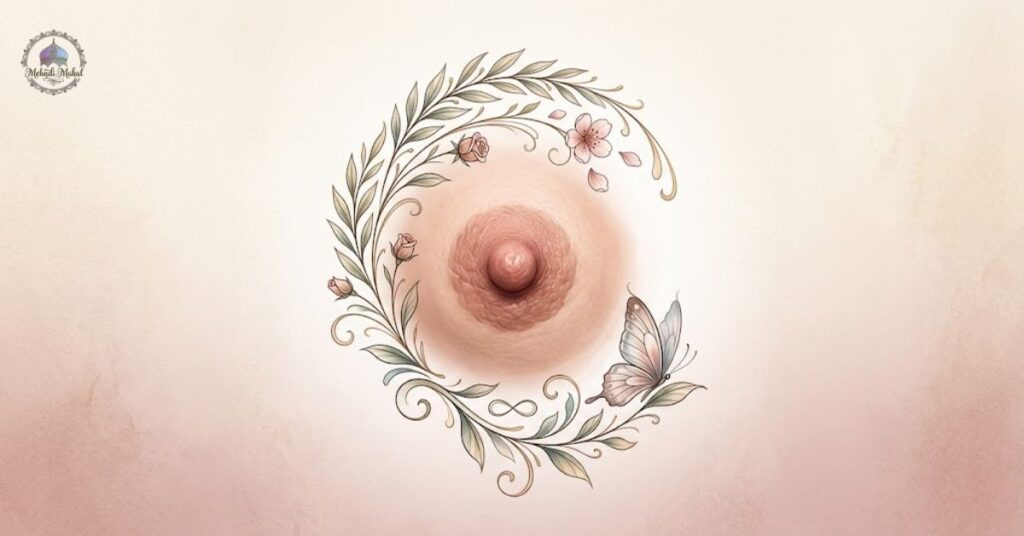
There is absolutely no pressure to get a nipple tattoo. Many people choose decorative tattoos instead — flowers, butterflies, meaningful words, or spiritual symbols that represent their personal journey after breast cancer surgery. Others choose nothing at all and feel completely at peace with that decision. Every path is valid. Every body is different. Every healing journey is personal.
What matters most is that the decision comes from you — not from anyone else’s expectation of what recovery should look like. A consultation with a specialist costs nothing in most cases and gives you real information to work with. Even if you walk away still unsure, you’ll know more than you did before. That knowledge belongs to you.
Alternatives to Traditional Nipple Tattoos
Nipple tattoo vs nipple reconstruction surgery is a comparison worth understanding. Surgical reconstruction creates a physical nipple using your own tissue — it has height and texture but requires recovery time and carries surgical risks. Nipple tattooing is flat but visually stunning and heals in days rather than weeks. Some people choose both — surgery first, then tattooing to add color and detail.
Prosthetic stick-on nipples are another non-permanent option worth knowing about. They’re removable, realistic, and require no healing whatsoever. Some people use them while deciding whether to commit to a permanent tattoo. There’s genuinely no wrong answer here — only the answer that’s right for you, at this moment in your life.
Frequently Asked Questions About Areola-Nipple Tattooing
1. How Long Do Nipple Tattoos Last?
A well-done nipple tattoo typically stays vibrant for three to five years before significant fading becomes noticeable. Annual touch-up appointments extend the life considerably. Post-radiation skin tends to fade faster due to changes in skin texture and density. Proper skincare and sun protection also play a significant role in longevity.
2. What Are the Benefits of Nipple Tattoos?
The benefits of 3D nipple tattooing include a highly realistic appearance, faster healing than surgery, improved body image restoration, and a powerful boost to emotional wellbeing. Many survivors report that the tattoo marks a turning point in their emotional recovery breast cancer journey — transforming something painful into something beautiful.
3. What Is the Process for Getting a Nipple Tattoo?
The process follows a clear sequence: consultation, design approval, marking, ink injection skin procedure, gauze placement, and follow-up six to eight weeks later. How many sessions for a nipple tattoo depends on the individual — most need two, radiation patients may need more.
4. What Are the Different Styles of Nipple Tattoos?
The four main styles are 3D nipple tattoo (post-mastectomy), gender-affirming, cosmetic surgery enhancement, and natural enhancement. Each uses different techniques, pigment depths, and placement strategies tailored to the patient’s anatomy and goals.
5. How Much Do Nipple Tattoos Cost?
How much does nipple tattoo cost in the USA ranges from $200 for simple natural enhancement to $1,200 for double 3D areola reconstruction. Specialist experience, location, and procedure complexity all affect pricing. Insurance may cover some costs in clinical settings — always check before your appointment.
6. How Painful Is Nipple Tattooing?
Pain levels vary. Post-mastectomy patients often have reduced skin sensation due to nerve changes during nipple removal mastectomy — making the procedure quite comfortable. Local anesthesia tattooing is available for those who need it. Most patients describe the sensation as mild pressure rather than sharp pain.
7. Are Nipple Tattoos a Thing?
Absolutely — and they’re growing fast across the USA. Thousands of nipple tattoos for breast cancer survivors are performed every year. Medical tattooist certification programs are expanding to meet growing demand. Mainstream medical organizations now recognize the procedure as a legitimate and valuable part of post-mastectomy care.
8. How Big Is a $500 Tattoo?
At around $500, most experienced artists complete a single 3D areola reconstruction session. Size depends on your anatomy and the artist’s hourly or flat rate. Always discuss scope, sessions, and total cost during your initial consultation so there are no surprises.
9. How Is a Nipple Tattoo Done?
A nipple tattoo is created by injecting liquid pigments beneath the skin using a precision tattooing device. The certified tattoo specialist layers light and dark shades to build the flat tattoo nipple illusion — a realistic, three-dimensional appearance on a completely smooth surface. Two sessions are standard. The second session perfects what the first session started.