A solitaire engagement ring is one of the most recognizable and enduring symbols of commitment. From classic proposals to modern minimalist tastes, it remains the most chosen engagement ring style in the United States. Yet behind its simple appearance lies a wide range of decisions—diamond quality, settings, metals, budgets, and lifestyle considerations.
This guide explains everything you need to know about solitaire engagement rings so you can choose confidently, whether you’re buying for yourself, a partner, or advising clients or readers.
What Is a Solitaire Engagement Ring?
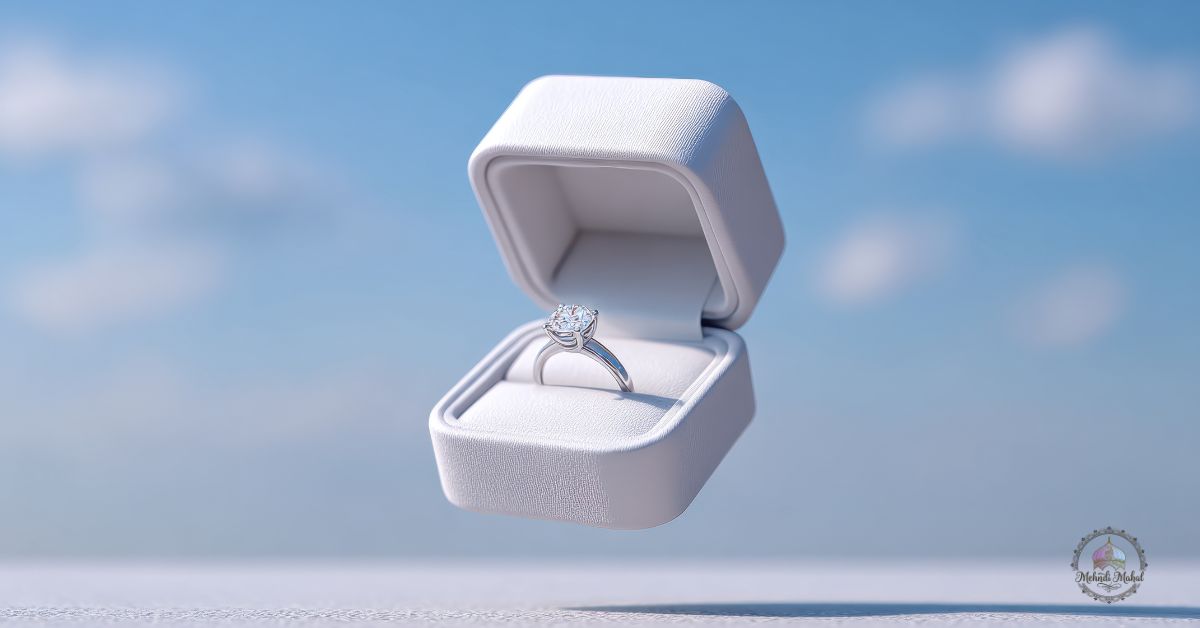
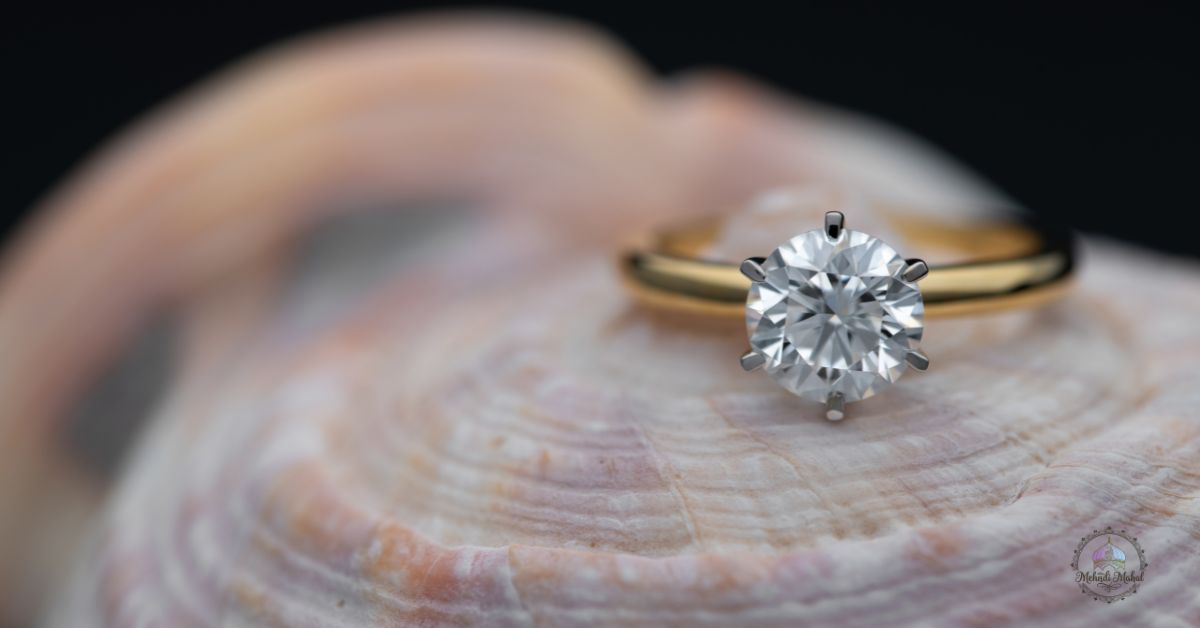
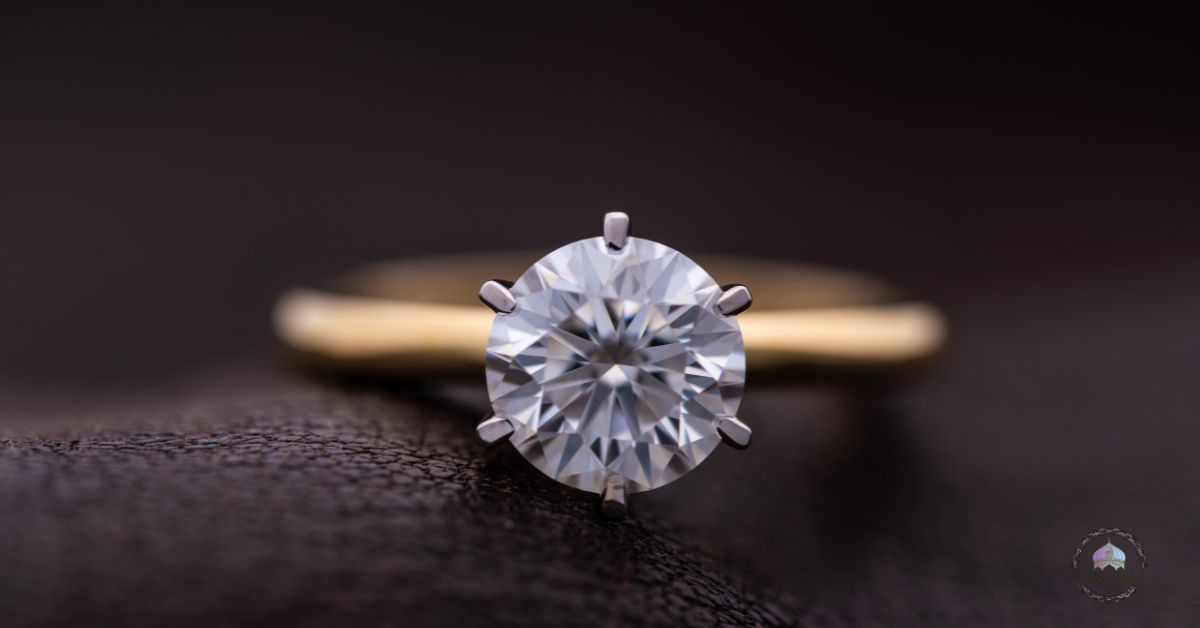
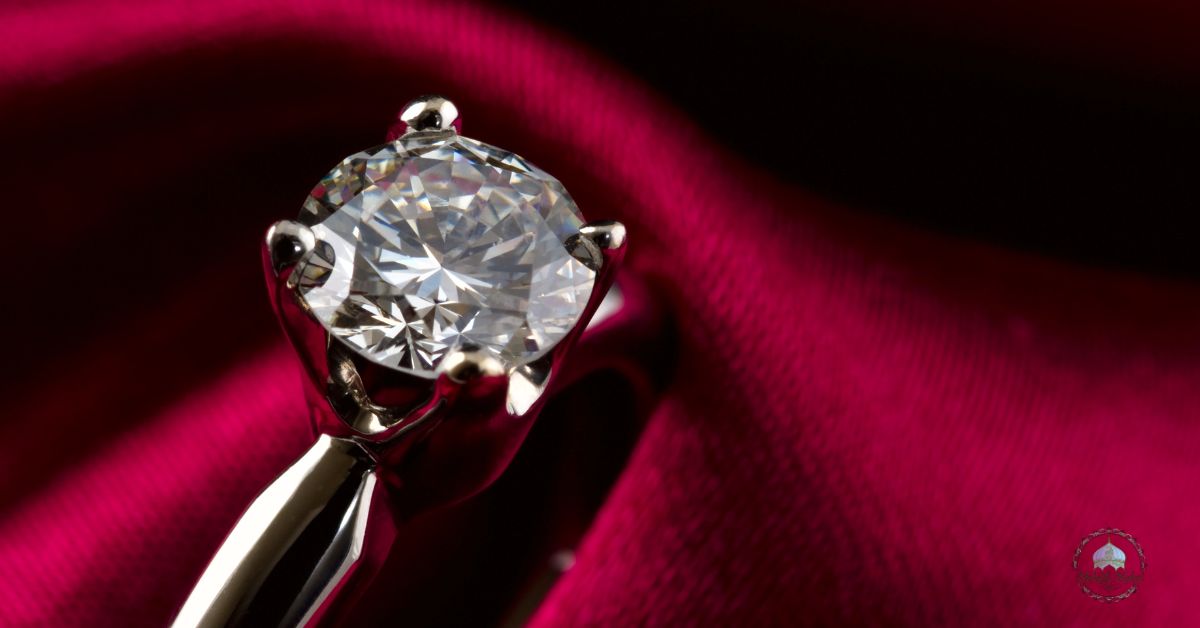
A solitaire engagement ring features one single center gemstone, most commonly a diamond, mounted on a plain or minimally styled band. There are no side stones competing for attention. The entire design exists to showcase the center stone.
The term “solitaire” comes from the idea of something standing alone. In jewelry, it refers specifically to a single-stone ring design.
Key characteristics include:
- One center diamond or gemstone
- No accent or side stones
- A clean, uncluttered band
- Strong visual focus on cut and brilliance
Because of this simplicity, solitaire rings highlight diamond quality more than any other engagement ring style.
oval diamond engagement ring
Why Solitaire Engagement Rings Matter
Solitaire rings have stayed popular for generations because they solve a core emotional and practical need at the same time.
On an emotional level, a single stone symbolizes unity, commitment, and clarity of intention. On a practical level, the design is versatile, durable, and easy to pair with wedding bands.
Many buyers choose a solitaire because:
- It never goes out of style
- It works with almost any outfit or lifestyle
- It emphasizes diamond brilliance rather than decoration
- It holds long-term and heirloom value
In the U.S. market, solitaire rings are often considered the safest and most universally accepted engagement ring choice.
ainsley earhardt engagement ring
Who Should Choose a Solitaire Engagement Ring?
A solitaire engagement ring is a strong choice for a wide range of people, but it’s especially well-suited if the wearer prefers:
- Classic or minimalist jewelry
- Timeless designs over trends
- Daily wear without excessive maintenance
- A ring that pairs easily with any wedding band
It’s also ideal for first-time buyers who want a design that’s unlikely to disappoint. Because solitaire rings are so familiar, they’re often perceived as “the engagement ring,” making them a low-risk, high-impact option.
ainsley earhardt engagement ring
Solitaire Engagement Ring Styles
Although the concept is simple, solitaire rings come in several design variations that subtly change their appearance and feel.
Popular Solitaire Band Styles
Classic Plain Band
A smooth, unadorned band that keeps all attention on the diamond. This is the most traditional option.
Knife-Edge Band
Features a subtle ridge along the center of the band, adding structure and a slightly modern look.
Cathedral Solitaire
The band arches upward to support the diamond, creating height and elegance while allowing more light.
Tapered Band
The band narrows as it approaches the center stone, making the diamond appear larger.
Pavé Solitaire
Small diamonds are set along the band, while the center stone remains the focal point.
Each style maintains the solitaire concept while offering different visual proportions and personality.
radiant cut engagement rings
Diamond Shapes Commonly Used in Solitaire Rings
Solitaire engagement rings work with nearly every diamond shape, but some are more popular than others in the U.S.
Most common choices include:
- Round Brilliant: Maximum sparkle and symmetry
- Oval: Elongates the finger and looks larger per carat
- Princess: Modern, sharp-edged brilliance
- Emerald: Clean lines and a refined, step-cut look
- Cushion: Soft, vintage-inspired appearance
- Pear or Marquise: Distinctive shapes that stand out
Because there are no side stones, the diamond’s shape plays a major role in the ring’s overall character.
engage study activate
Solitaire Ring Settings Explained
The setting determines how the diamond is held, how secure it is, and how much light reaches it.
Common Solitaire Settings
Prong Setting (4 or 6 Prongs)
The most popular option. It lifts the diamond above the band, maximizing brilliance and visibility.
Bezel Setting
A thin metal rim surrounds the diamond. This offers excellent protection and a sleek, modern look.
Trellis Setting
Interwoven prongs add elegance and structural strength while keeping the focus on the stone.
Tension Setting
The diamond appears to float between the band ends. Visually striking but requires precise craftsmanship.
For daily wear, security matters. Buyers with active lifestyles often favor bezel or six-prong settings.
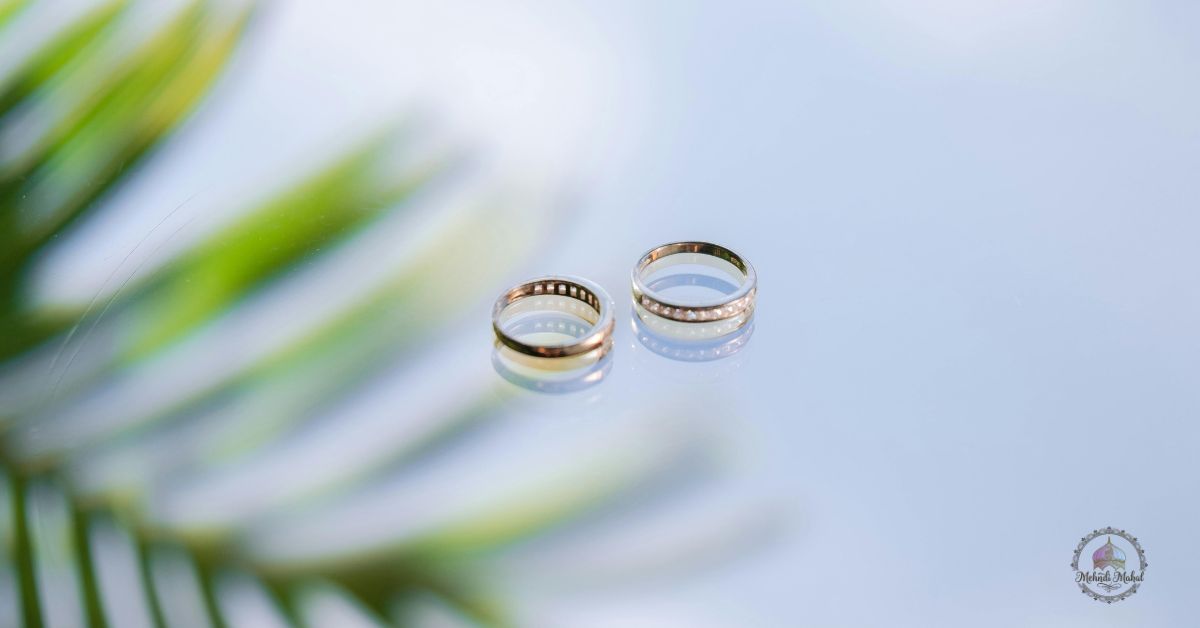
engagement photos
How to Choose the Perfect Solitaire Engagement Ring
Choosing a solitaire ring is less about decoration and more about making smart, balanced decisions.
Step 1: Prioritize the Diamond Cut
In solitaire rings, cut quality matters more than carat size. A well-cut diamond reflects light better and appears brighter, even at lower weights.
Step 2: Select the Diamond Shape
Choose a shape that matches personal style and hand proportions. Round and oval shapes remain the most popular for their versatility.
Step 3: Decide Between Natural and Lab-Grown Diamonds
Both are real diamonds with the same physical properties. Lab-grown diamonds typically cost less, while natural diamonds appeal to traditional buyers.
Step 4: Choose the Metal
Common options in the USA include:
- Platinum: Durable, hypoallergenic, premium
- White Gold: Modern look at a lower cost
- Yellow Gold: Warm, classic appeal
- Rose Gold: Romantic and contemporary
Step 5: Match the Setting to Lifestyle
A ring worn daily should balance beauty with durability. Secure settings reduce long-term maintenance concerns.
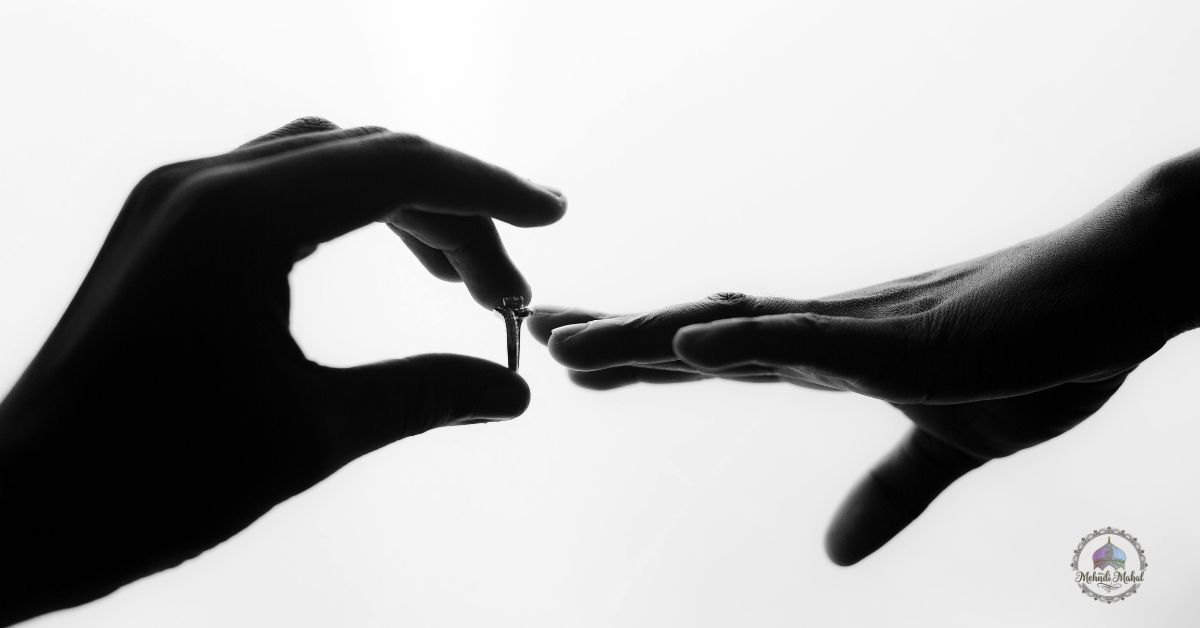
zendaya engagement ring
Solitaire Engagement Ring Cost in the USA
There is no single price for a solitaire engagement ring. Costs vary widely based on diamond and metal choices.
Typical U.S. price ranges include:
- Entry-level: around $1,000–$2,500
- Mid-range: $3,000–$7,000
- Premium: $10,000 and above
Major price factors:
- Diamond carat weight
- Cut quality
- Natural vs lab-grown origin
- Metal type
- Brand or retailer markup
Because there are no side stones, most of the budget goes directly into the center diamond.
Buying a Solitaire Engagement Ring in the USA
Shoppers typically choose between three main buying routes.
Independent Local Jewelers
Offer personalized service, resizing support, and custom work.
National Jewelry Chains
Provide convenience, standardized pricing, and physical showrooms.
Online Diamond Retailers
Often offer larger inventories, transparent pricing, and competitive value.
Regardless of where you buy, diamond certification from recognized labs such as GIA or IGI is essential.
Pros and Cons of Solitaire Engagement Rings
Advantages
- Timeless and universally accepted
- Easy to pair with wedding bands
- Simple to clean and maintain
- Highlights diamond quality
Disadvantages
- Less decorative sparkle than halo styles
- Diamond flaws are more visible
- Requires a good-quality center stone
Understanding these trade-offs helps ensure the style aligns with expectations.
Solitaire vs Other Engagement Ring Styles
| Style | Best For |
| Solitaire | Classic, timeless elegance |
| Halo | Maximum sparkle and visual size |
| Three-Stone | Symbolism and balance |
| Vintage | Ornate details and history |
| Cluster | Budget-friendly sparkle |
Solitaire rings prioritize purity of design, while other styles emphasize decoration or symbolism.
Common Buying Mistakes to Avoid
Many first-time buyers make similar errors.
- Choosing carat size over cut quality
- Ignoring diamond certification
- Selecting insecure prong settings
- Overpaying for brand recognition alone
- Forgetting about lifestyle compatibility
A well-chosen solitaire ring balances beauty, durability, and value.
Care and Maintenance
Solitaire rings are relatively easy to maintain, but regular care protects your investment.
- Clean monthly with mild soap and warm water
- Have prongs inspected annually
- Remove the ring during heavy manual activities
- Store separately to avoid scratches
With proper care, a solitaire engagement ring can last for generations.
link:Zendaya’s Engagement Ring: A 5ct Cushion Cut
link:150+ Engagement Wishes & Quotes for Every Relationship | Happy Engagement Wishes
Frequently Asked Questions
- Is a solitaire engagement ring outdated?
No. Solitaire rings remain the most popular and timeless engagement ring style in the USA. - Are solitaire rings cheaper than halo rings?
Often yes, because there are no side stones. However, the diamond quality still drives most of the cost. - Which diamond shape is best for a solitaire ring?
Round brilliant is the most popular, but oval and princess shapes are also widely chosen. - Can a solitaire ring be worn every day?
Yes. With a secure setting, solitaire rings are well-suited for daily wear. - Are lab-grown diamonds common in solitaire rings?
Yes. Many buyers choose lab-grown diamonds for affordability and ethical reasons. - What metal works best for solitaire engagement rings?
Platinum and white gold are the most common due to durability and neutral color. - Can a solitaire engagement ring be customized?
Absolutely. Buyers can customize the diamond, setting, metal, and band profile.
Conclusion
A solitaire engagement ring endures because it focuses on what matters most: a single, meaningful symbol of commitment. Its simplicity is its strength, allowing the diamond’s brilliance, quality, and symbolism to take center stage.
Whether you’re choosing a classic round diamond, exploring lab-grown options, or selecting a setting for everyday wear, a solitaire ring offers clarity, elegance, and confidence. With thoughtful choices, it becomes not just an engagement ring, but a lifelong statement of intention and love.